


From McMansion to Micro-Living
Let’s be honest: the shift toward smaller living spaces isn’t purely a matter of aesthetic preference. It’s deeply rooted in economic reality. For millions of Americans, particularly Millennials and Gen Z, the dream of a single-family home with a two-car
garage feels like a relic from a bygone era. Sky-high housing prices in desirable urban centers, coupled with stagnant wages and student debt, have made spacious living a luxury that’s increasingly out of reach. The average new single-family home size has actually started to shrink after peaking in 2015. But what began as a financial necessity for many has evolved into a conscious, and even aspirational, choice. Instead of seeing a 500-square-foot apartment as a temporary holding pattern, a growing cohort sees it as a canvas.
Less Space, More Intention
This movement dovetails perfectly with broader cultural trends toward minimalism, sustainability, and the prioritization of experiences over possessions. Owning a large home often means owning a lot of stuff to fill it, along with the time and money required for its upkeep. In contrast, a small space demands intentionality. Every object must justify its existence. Does it serve a purpose? Is it beautiful? Does it bring joy? This curated approach to consumption is a quiet rebellion against the 'more is more' ethos of previous generations. Living small can mean a smaller carbon footprint, lower utility bills, and less time spent cleaning—freeing up resources for travel, hobbies, and other life experiences. It reframes the idea of wealth from 'what you own' to 'how you live.'
The Ultimate Creative Constraint
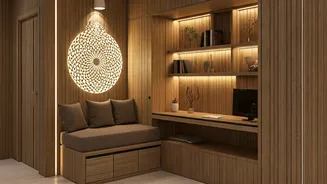
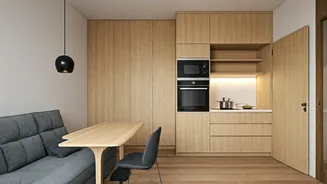
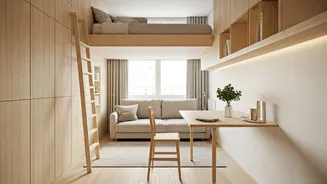
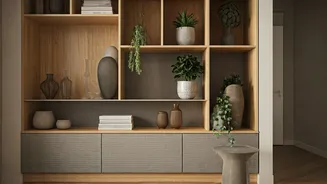
Here’s where the “flex” truly comes in. Anyone with a big budget can hire a decorator to fill a 4,000-square-foot house with tasteful, expensive furniture. It’s impressive, but is it interesting? The real design challenge—and the new benchmark for taste and creativity—is making a small space not just functional, but fabulous. This is a game of inches, not feet. It requires a level of problem-solving and ingenuity that a cavernous living room simply doesn’t demand. We’re seeing custom millwork that hides a bed, a desk, and a closet in one elegant wall unit. We’re seeing high-end, multifunctional furniture from brands like Ligne Roset or Resource Furniture become coveted pieces. It’s about investing in quality over quantity, demonstrating that your style isn’t dependent on a large canvas. The flex is showing you can create a perfect, harmonious world within tight constraints.
Curated, Cozy, and Made for Social Media
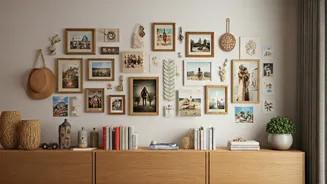
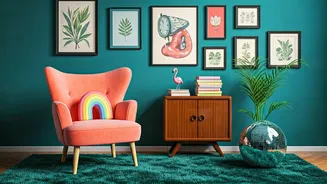
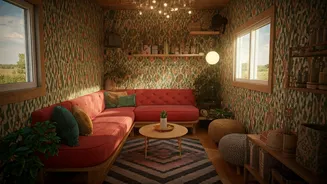
Of course, a cultural trend in the 21st century isn’t real until it’s on Instagram and TikTok. Social media has been a massive amplifier for the small-space movement. Hashtags like #tinyhome (billions of views), #smallapartmentdecor, and #apartmenttherapy are flooded with images of meticulously organized, aesthetically pleasing small homes. These aren’t stark, minimalist voids; they are often cozy, vibrant, and full of personality. The 'before and after' transformation of a cramped, awkward studio into a clever, stylish haven is prime viral content. It provides both inspiration and a new kind of aspirational goal. Seeing these jewel-box homes doesn't make you envy the owner's square footage; it makes you admire their ingenuity, their taste, and their ability to create a beautiful life in the space they have.