





Embrace the Micro-Cation Model
The two-week vacation spent dodging downpours is a thing of the past. Today’s smart traveler is embracing the “micro-cation”—a focused trip of three to five days. This shorter timeframe is perfectly suited to monsoon travel. It minimizes the risk of having
your entire holiday defined by bad weather and encourages a more concentrated itinerary. Instead of trying to see an entire country, you can dedicate a long weekend to exploring a single city’s vibrant indoor life—its cafes, museums, galleries, and restaurants. If you get a few days of solid rain, it’s a minor inconvenience, not a vacation-ruining disaster. This approach lowers the stakes and allows you to snag flight deals that pop up for shorter, off-season windows.
Leverage Your Pocket Weather Guru
“Smarter” travel is powered by smart technology. A decade ago, you’d just have to guess when the skies might open up. Now, hyper-local weather apps (like Dark Sky or Carrot Weather) can give you down-to-the-minute rain forecasts. This changes everything. You’re no longer house-bound; you’re strategic. You can see there’s a 90-minute dry spell perfect for a walk through a historic neighborhood or a visit to an outdoor market. You can plan your museum visit for the afternoon, knowing that’s when the daily deluge is most likely. These tools turn the weather from an adversary into a manageable variable, allowing you to build a flexible itinerary that works with, not against, the climate.
Pack for Performance, Not Just Photos
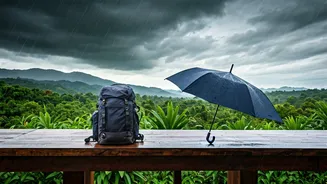
The right gear is crucial for enjoying, not just enduring, a rainy destination. Smart packing means focusing on function. Ditch the flimsy poncho and invest in a lightweight, breathable, and genuinely waterproof jacket. Forget cotton, which stays wet forever, and opt for quick-drying fabrics like merino wool or high-tech synthetics for your base layers. Waterproof shoes or sandals with good grip are non-negotiable. Perhaps the most important item is a waterproof daypack or a dry bag to protect your electronics and valuables. Being properly equipped means a sudden downpour is a momentary pause, not a catastrophic event that sends you running for cover, soaked and miserable.
Focus on Experiences, Not Just Sights
Monsoon season is the perfect time to shift your travel priorities from sightseeing to “experiencing.” When you can’t spend eight hours a day ticking off outdoor landmarks, you’re encouraged to go deeper. Sign up for a local cooking class and spend an afternoon mastering a regional curry. Duck into a neighborhood coffee shop and actually talk to the barista. Linger in a market, exploring the stalls without the pressure of a packed schedule. Rainy weather naturally slows the pace of travel, creating space for more authentic and memorable interactions. These are often the moments that define a trip, providing a richer understanding of a place than a whirlwind tour of its most famous attractions ever could.
Follow the Green and Find the Deals
The most obvious benefits of monsoon travel are often the most compelling: fewer people and lower prices. This is the ultimate “smart” move. Tourist hotspots that are overwhelming in peak season become pleasantly quiet. You can have a famous temple or a stunning viewpoint almost to yourself, experiencing it in a way summer crowds never will. The rain transforms landscapes, turning them intensely green and lush. Waterfalls, often trickles in the dry season, become roaring spectacles. On top of this, airlines and hotels slash their prices to attract visitors. Your travel budget suddenly stretches much further, allowing for a nicer hotel, a few extra fancy meals, or unique tours you couldn't otherwise afford.