


The Appeal of Authenticity
For years, the design world flirted with—and then fully embraced—engineered solutions. Laminates that looked like wood, porcelain that mimicked marble, and quartz composites that promised zero-maintenance perfection. They were practical, affordable, and democratic.
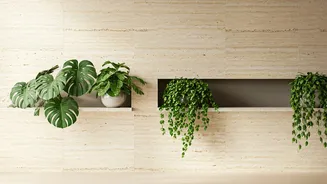
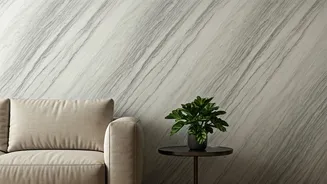
But in the process, something was lost: the unique, imperfect, and authentic signature of nature itself. The recent pivot back to natural stone is more than a pendulum swing; it's a reaction. In an age of digital filters and AI-generated realities, there's a collective craving for the real. Natural stone offers just that. Each slab of marble, quartzite, or travertine is a one-of-a-kind geological document, a story told over millennia. Its veins, pits, and color variations are not defects; they are its character. Using it in your home is like acquiring a piece of functional sculpture, a slice of the earth’s history that grounds a space in a way no manufactured material ever could.
The New Stone Age
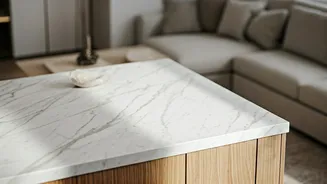
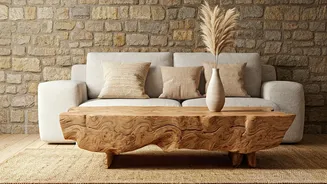
This isn't your grandmother’s polished granite countertop. Today's use of stone is more nuanced, sculptural, and widespread. While kitchens and baths remain primary canvases, the material is breaking free of its traditional confines. The 'calm flex' is best seen in the proliferation of monolithic stone coffee tables—heavy, low-slung pieces of travertine or marble that act as a room's quiet, unshakeable anchor. They say, 'I value permanence and craftsmanship.' Designers are also championing stones beyond the classic white Carrara. Creamy, porous travertine, with its warm, Mediterranean vibe and 1970s design echoes, is experiencing a massive revival. Deeply veined, dramatic marbles in greens, burgundies, and blacks are being used for statement fireplace surrounds and powder room vanities. Even humble limestone and rugged slate are being celebrated for their textural, organic qualities. The trend is less about a specific type of stone and more about appreciating the diversity and inherent beauty of the entire category.
More Than Just a Surface
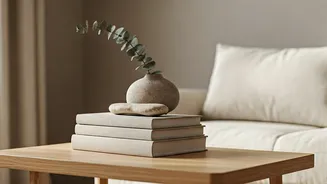
Perhaps the biggest shift is how we perceive the material's role. It’s no longer just a durable surface to chop vegetables on; it's a key decorative element. You see this in the smaller, more accessible ways the trend is trickling down. A solid marble fruit bowl, a set of onyx bookends, a travertine lamp base, or a small stone side table next to a sofa—these are the entry points to the calm flex. These smaller objects allow people to participate in the trend without committing to a full-slab installation. They add a crucial note of weight, texture, and luxury to a vignette. Placing a simple stone tray on a wooden coffee table instantly elevates the entire arrangement, creating a sophisticated play of materials. It demonstrates a consideration for detail and an appreciation for materials that have inherent value, both aesthetically and literally.
The Psychology of Permanence
Ultimately, the power of natural stone is psychological. In an uncertain world, it represents stability. In a culture of fast furniture and disposable goods, it stands for longevity. A piece of stone furniture isn't something you plan to replace in three years; it's an investment, an heirloom. It has literal and figurative weight. This sense of permanence is deeply comforting. The 'flex' isn't about the price tag, though high-quality stone is undeniably an investment. The flex is in the taste level. It signals a rejection of the temporary and a commitment to enduring quality. It suggests you're not chasing every micro-trend but are instead building a home with a sense of history and a future. It's a design choice that is serene, confident, and speaks volumes without ever shouting.