




1. You’re Focusing on the Ends, Not the Roots
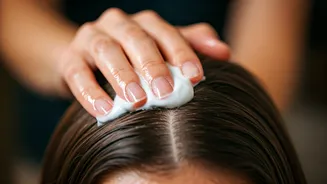
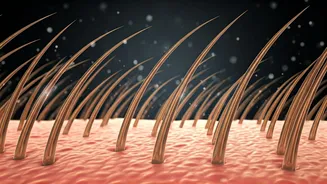
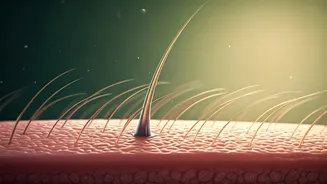
Healthy hair begins at the source: your scalp. We often concentrate all our efforts on the visible lengths and ends, which are essentially dead protein fibers. While conditioning the ends is important for preventing breakage, true hair health is dictated
by the condition of your scalp. An oily, flaky, or inflamed scalp can’t produce strong, healthy hair. Product buildup, dead skin, and oils can clog follicles, potentially slowing growth and affecting hair quality. The fix is simple: treat your scalp like you treat the skin on your face. Once a week, use a gentle clarifying shampoo or a scalp scrub to exfoliate and remove buildup. When you shampoo, take an extra minute to massage your scalp with your fingertips (not nails!) to boost circulation. A healthy, clean scalp is the non-negotiable foundation for everything else.
2. You’re Washing Your Hair All Wrong
More is not always better, especially when it comes to shampoo. Over-washing is one of the most common mistakes, as it can strip your hair and scalp of the natural oils (sebum) needed for protection and moisture. This can lead to dry, brittle hair and, paradoxically, an overproduction of oil as your scalp tries to compensate. Furthermore, blasting your hair with scalding hot water can lift the hair’s outer cuticle layer, causing frizz and color fading. Instead, wash your hair only when it’s truly dirty or oily. For many people, every other day or a few times a week is plenty. Use lukewarm water, which is effective at cleaning without being harsh. And concentrate your shampoo on the scalp where oil and dirt accumulate, letting the suds run down the lengths as you rinse.
3. Your Towel Is Sabotaging Your Hair
That vigorous, turban-twisting towel-dry you do post-shower? It’s a recipe for frizz and breakage. When hair is wet, it's at its most fragile and elastic state. The rough fibers of a standard terrycloth towel create friction that raises the hair cuticle, leading to a frizzy, dull appearance. The twisting and rubbing motions can stretch the hair past its breaking point, causing split ends and damage along the shaft. The wake-up call is to be gentle. Ditch the aggressive rubbing. Instead, gently squeeze and blot the excess water from your hair with a soft microfiber towel or even an old, clean cotton t-shirt. These materials have a smoother surface that absorbs water without roughing up the cuticle, leaving your hair smoother and far less prone to damage.
4. You're Misunderstanding Sulfates
For years, “sulfate-free” has been the gold standard in marketing, leading many to believe that all sulfates are hair-destroying villains. The reality is more nuanced. Sulfates (like Sodium Lauryl Sulfate) are powerful detergents that are extremely effective at removing oil and product buildup. For people with very oily hair or those who use a lot of styling products like silicones and waxes, a sulfate shampoo can be a necessary tool for getting hair truly clean. Where’s the balance? If you have dry, color-treated, or sensitive skin, using a sulfate-free shampoo for your regular washes is a great idea. However, don’t be afraid to use a clarifying shampoo with sulfates once or twice a month to give your hair a deep clean and remove any residue that gentler cleansers might leave behind. It's about using the right tool for the job, not banning an entire ingredient category.
5. You Think Trims Can “Heal” Split Ends
Let’s clear this up once and for all: there is no product, serum, or treatment that can permanently fuse a split end back together. Once the hair shaft has split, the damage is done. Products marketed as “split end menders” work by temporarily gluing the split together with silicones or polymers, but this is a cosmetic, wash-out fix. The only real cure for a split end is to cut it off. This is why regular trims are so crucial. Getting a small trim every 8-12 weeks removes the splits before they can travel further up the hair shaft, which causes even more breakage and requires a more significant chop later. Think of trims not as a cure for existing damage, but as essential preventative maintenance for the health of your hair.