



A Gift of the Rains
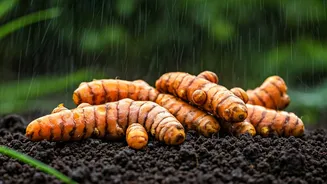
In South and Southeast Asia, particularly India, the arrival of the monsoon is a transformative event, turning dry, cracked earth into a lush, fertile landscape. This is the season that gives life to turmeric. The plant’s rhizomes, or underground stems,
are typically planted just before or at the beginning of the rainy season, from around May to August. The consistent, heavy rainfall and humid, tropical climate provide the perfect conditions for the crop to thrive. For the next seven to ten months, the turmeric plant grows, soaking up the water and nutrients from the soil, developing the deep, brilliant orange-yellow color and potent compounds it's famous for. When the rains subside and the leaves of the plant begin to dry out, farmers know it’s time to harvest. This deep connection to a specific, dramatic weather cycle makes turmeric a true monsoon crop, intrinsically linked to a rhythm of nature many of us only see in movies.
The Power of Curcumin
The magic of turmeric lies primarily in a group of compounds called curcuminoids, the most important of which is curcumin. Curcumin is what gives turmeric its distinctive color, and it’s also the source of most of its celebrated health properties. At its core, curcumin is a powerful antioxidant, meaning it can help neutralize harmful free radicals in the body that contribute to aging and a host of diseases. More significantly, it is widely studied for its potent anti-inflammatory effects. While short-term inflammation is a vital bodily function that helps fight off foreign invaders, chronic, low-level inflammation is now understood to play a major role in almost every Western disease, from heart disease to metabolic syndrome. Research suggests that curcumin is a bioactive substance that can fight inflammation at the molecular level, potentially rivaling the effectiveness of some anti-inflammatory drugs, but without the side effects.
Beyond the Hype: A Dose of Reality
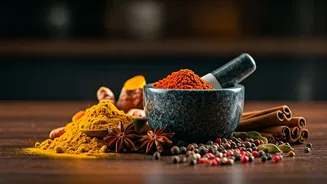
Before you start emptying your spice jar into every meal, it’s important to manage expectations. Much of the exciting research on curcumin uses turmeric extracts that contain extremely high concentrations of the compound—doses far greater than what you’d naturally get from using turmeric as a spice in your cooking. Furthermore, curcumin is not easily absorbed by the bloodstream. This issue of poor “bioavailability” means that a lot of it passes through your digestive system without being utilized. However, there’s a simple, ancient trick to boost its absorption: pairing it with black pepper. Black pepper contains piperine, a natural substance that has been shown to enhance the absorption of curcumin by as much as 2,000%. This is why you’ll often see turmeric and black pepper paired in supplements and wellness recipes like “golden milk.” So, while a sprinkle in your food is good, consistent use alongside black pepper is better for unlocking its potential.
From Root to Your Kitchen
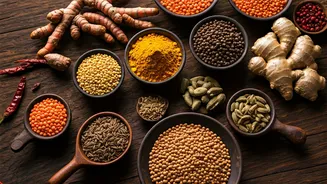
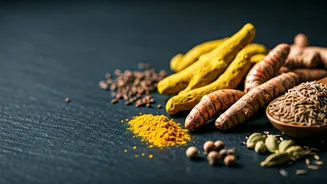
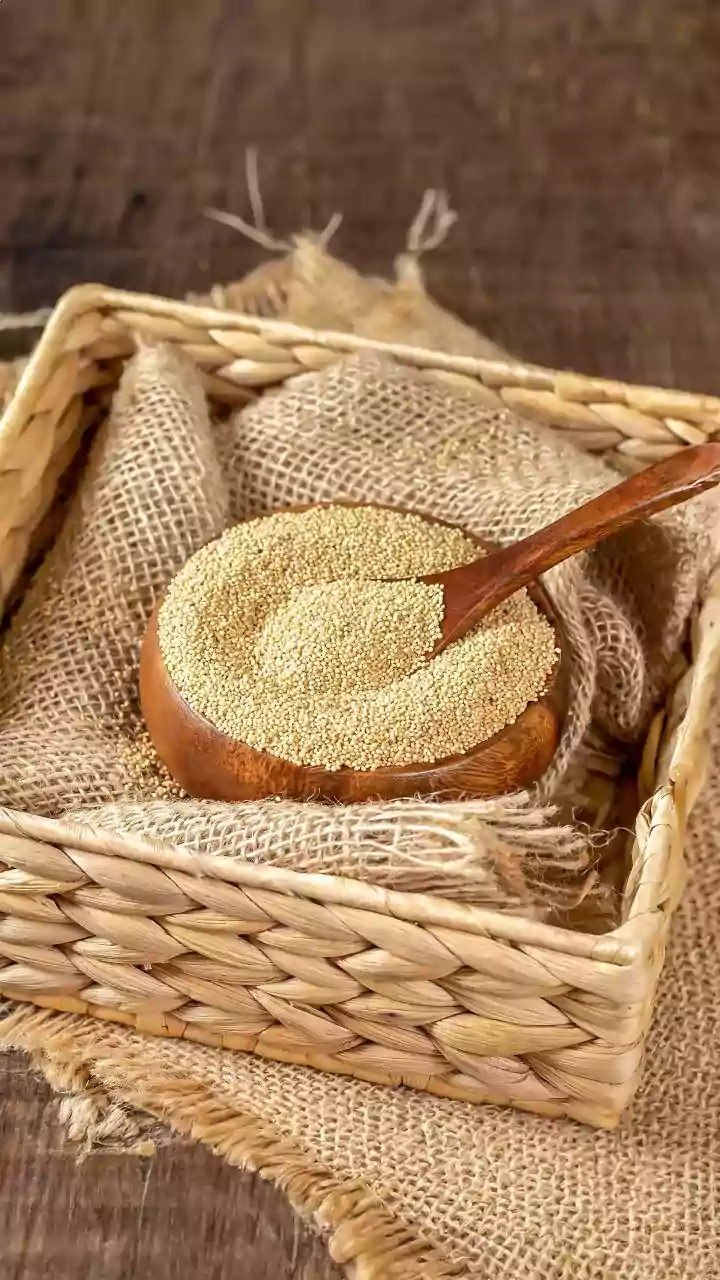
Incorporating more of this golden spice into your diet is both easy and delicious. While the dried, ground powder is the most common form, don't shy away from fresh turmeric root if you see it in the grocery store. It looks similar to ginger root but has a bright orange flesh. You can grate it into stir-fries, smoothies, soups, or steep it in hot water for a vibrant tea. The powdered form is incredibly versatile. Whisk it into scrambled eggs or a tofu scramble for a beautiful color and earthy flavor. Add a teaspoon to the water when cooking rice or quinoa. Blend it into salad dressings, or toss it with roasted vegetables like cauliflower and potatoes before they go into the oven. A classic way to enjoy it is by making a soothing golden milk latte: simply warm your milk of choice with turmeric, a pinch of black pepper, a little cinnamon, and a touch of sweetener like honey or maple syrup.