





The 'Just Right' Climate
The secret to Gangtok’s appeal lies in its two shoulder seasons, which deliver on the promise of weather that’s truly 'just right.' Forget the oppressive humidity of Southeast Asian summers or the bitter chill of a European winter. Instead, plan your
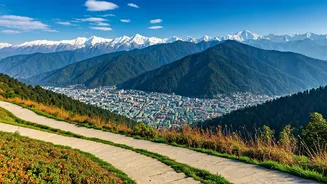
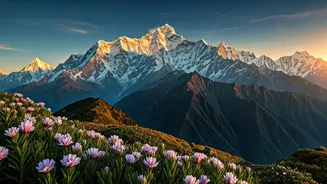
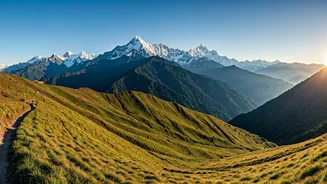
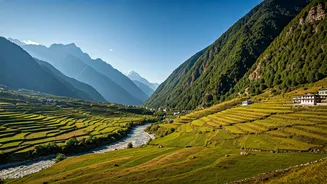
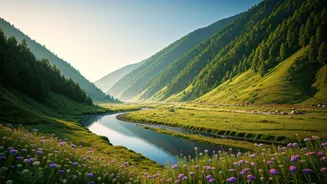
visit for spring (March to May) or autumn (September to November). During these magical months, daytime temperatures hover in the comfortable 60s and 70s Fahrenheit. In spring, the hillsides erupt in a riot of color from blooming rhododendrons and magnolias under clear blue skies. In autumn, the monsoon rains have washed the air clean, offering unparalleled, crisp views of the snow-capped Himalayan peaks that frame the city. It’s T-shirt-and-light-jacket weather, perfect for exploring without breaking a sweat or shivering.
A Himalayan Vista, No Expert Required
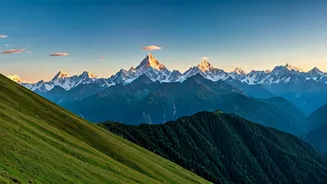
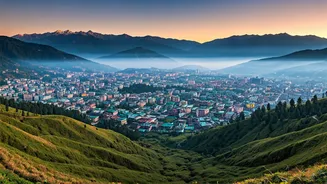
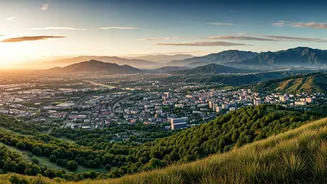
When you think 'Himalayas,' you might picture grueling, multi-week treks accessible only to seasoned mountaineers. Gangtok flips that script. Perched at an altitude of over 5,400 feet, the city serves as a comfortable basecamp that offers breathtaking panoramas without demanding extreme physical exertion. The crown jewel of the view is Mount Kanchenjunga, the third-highest peak in the world, which dominates the western horizon. On a clear morning, watching the sunrise paint its snowy peaks in shades of gold and pink is a spiritual experience in itself. Various viewpoints, like Tashi View Point, are just a short drive from the city center, making these world-class mountain views accessible to everyone, from families with kids to travelers who simply prefer their vistas with a side of comfort.
The Serene Scene of MG Marg
In a country known for its chaotic and vibrant city streets, Gangtok’s MG Marg is a revelation. This is the city's main artery, and it’s a smoke-free, litter-free, and, most shockingly, vehicle-free pedestrian promenade. Lined with Victorian-style gas lamps, benches, and seasonal flowers, it feels more like a charming European town square than the heart of an Indian capital. Here, locals and tourists alike stroll leisurely, gather for conversation, and enjoy the clean mountain air. The street is flanked by an array of restaurants, cafes serving local Temi tea, and shops selling everything from Tibetan handicrafts to modern apparel. It’s a social and commercial hub that prioritizes people over traffic, creating a uniquely peaceful urban experience.
Where Spirituality Meets the Sky
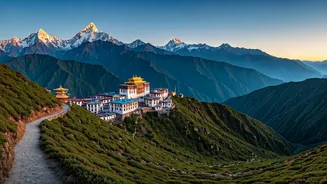
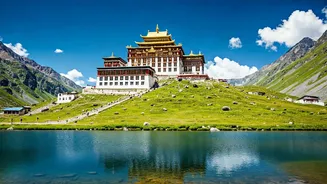
Gangtok and its surroundings are steeped in the peaceful traditions of Tibetan Buddhism. Prayer flags flutter on every hillside, and the low hum of chanting can be heard from its many monasteries. The most famous is Rumtek Monastery, a vast complex located a short drive from the city that serves as a major center for Buddhist learning. Even within Gangtok itself, you can find gems like Do-Drul Chorten, a large stupa surrounded by prayer wheels, and the intimate Enchey Monastery, which feels like it's floating above the city. You don’t need to be a spiritual seeker to appreciate the profound sense of calm and history that permeates these sites. They offer a welcome moment of quiet contemplation and a deeper connection to the culture of the region.
Adventure on Your Terms
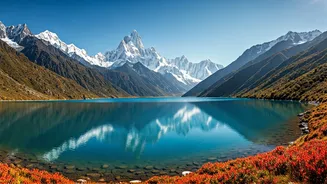
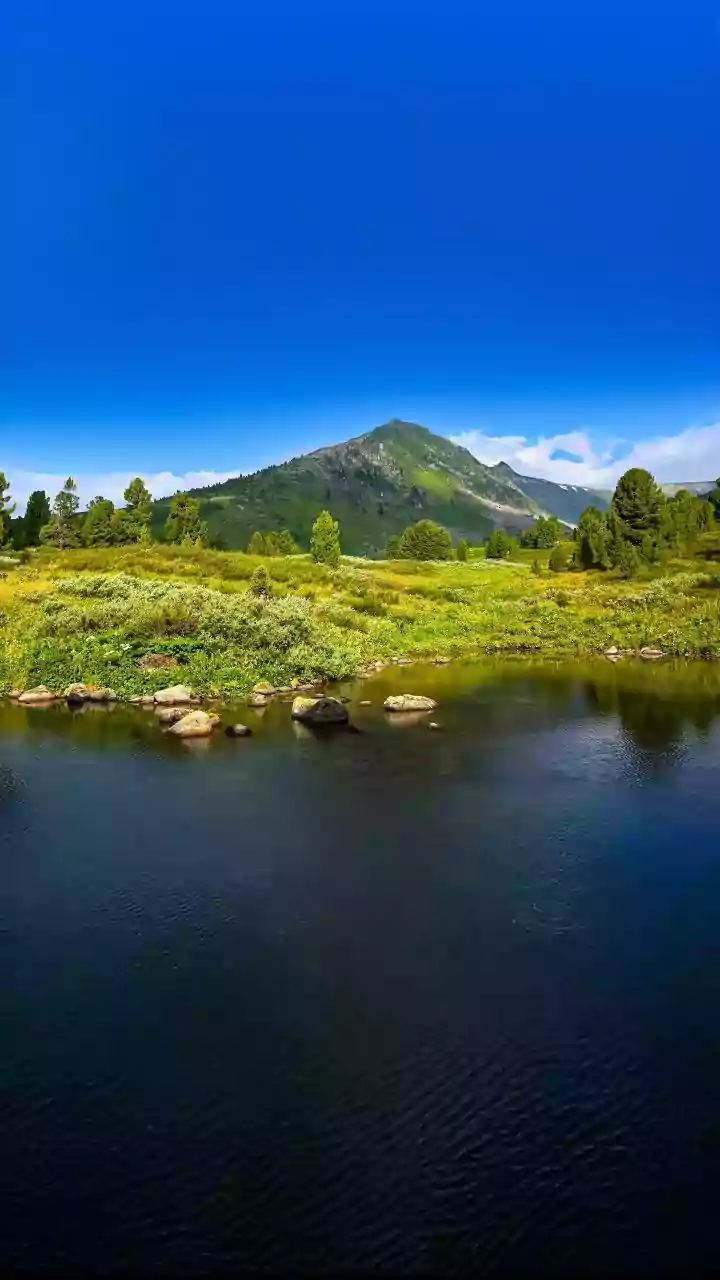
While Gangtok is a haven for relaxation, it’s also a launchpad for light adventure. For a stunning bird's-eye view, take a ride on the Damodar Ropeway, a cable car that glides over the city valley. For a memorable day trip, take the winding road up to the glacial Tsomgo Lake (also called Changu Lake), a stunningly beautiful body of water nestled at 12,400 feet. Depending on the season, you might find it frozen solid or reflecting the deep blue of the sky. The journey there is an adventure in itself, with hairpin turns and dramatic, unfolding landscapes. These accessible excursions ensure that you can get a taste of high-altitude Himalayan adventure and be back in your comfortable hotel by evening.