


Beyond the Sweet Summer Fruit
When Americans think of mangoes, we typically picture a soft, drippingly sweet, golden-orange fruit—a taste of the tropics eaten fresh or blended into smoothies. But in many parts of the world, particularly South and Southeast Asia, the mango is just
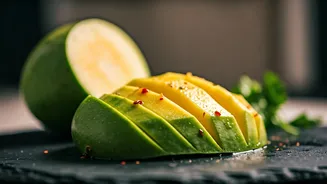
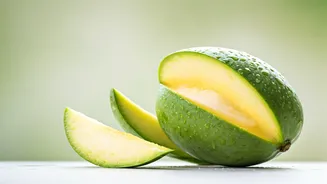
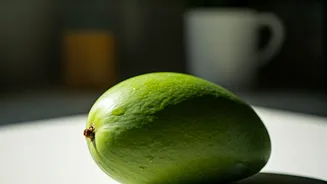
as beloved in its unripe, green state. Raw mango isn't a different variety; it's simply the same fruit picked before it ripens and its sugars develop. The result is a completely different culinary ingredient. Its flesh is firm, crisp, and crunchy, almost like a jicama or a tart apple. The flavor profile is its main draw: bracingly sour, acidic, and clean, providing a perfect canvas for other, bolder flavors. It’s this sour, crunchy, and refreshing quality that makes it a staple in countless savory dishes, from salads to pickles.
A Symphony of Flavors
The secret to the raw mango plate’s success lies in basic flavor science. Great cooking is often about balance, and raw mango is a balancing master. Its intense tartness is the perfect counterpoint to the other primary tastes. Think of a classic Thai green mango salad (Som Tum Mamuang). The sour mango is tossed with fiery chilies (spicy), salty fish sauce or shrimp paste (salty/umami), and a touch of palm sugar (sweet). Peanuts add texture and richness. Every bite sends your palate on a journey, hitting all the notes in perfect harmony. It’s an electric, mouth-watering experience that a simple sweet fruit salad could never achieve. This isn't just a snack; it's a full-sensory event, waking up your taste buds and leaving you wanting more.
Cultural Roots, Modern Plate
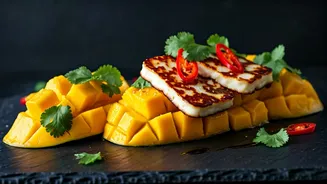
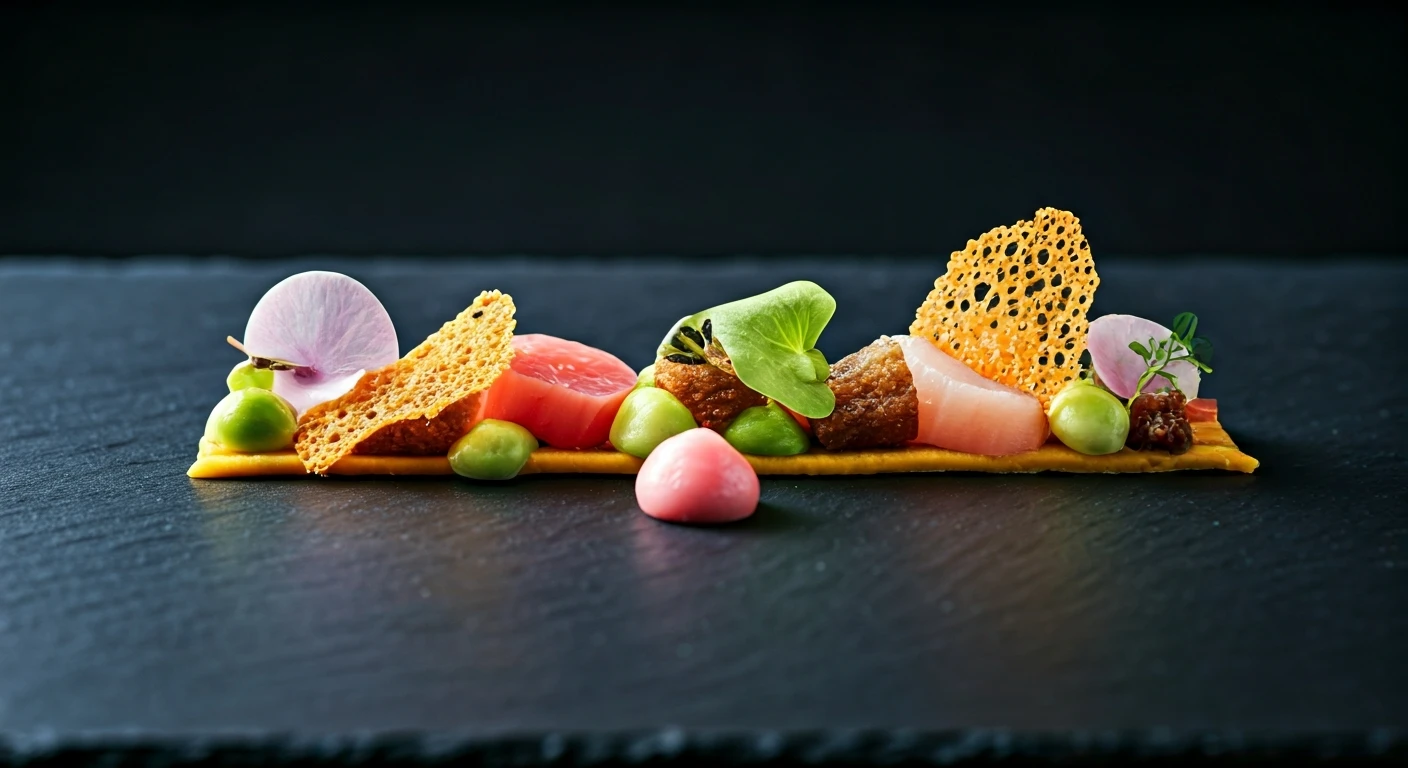
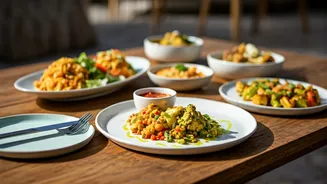
While the “raw mango savoury plate” may be trending on U.S. social media feeds, the concept is far from new. It’s a modern, deconstructed presentation of flavors that have been cherished for centuries across Asia. In India, raw mango is a harbinger of summer, used to make tangy pickles (achar), refreshing drinks (aam panna), and sour lentil dishes (mamidikaya pappu). In the Philippines, slices of green mango are a popular street food, served simply with bagoong (a salty fermented shrimp paste). In Mexico, mango is often enjoyed with chili powder, salt, and a squeeze of lime—a combination that highlights its versatility. The current trend is essentially an introduction for the Western palate, presenting these time-honored flavor combinations in an accessible, visually appealing format. It’s not an invention, but a much-deserved spotlight on a global culinary tradition.
The Instagram Factor
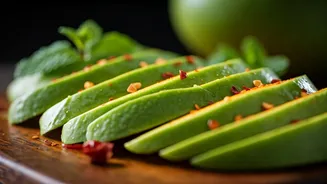
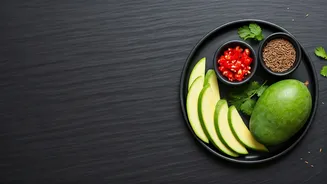
So, why is this trend taking off right now? A few factors are at play. First, the visual appeal is undeniable. A plate of pale green mango strips, dotted with bright red chili flakes, deep green cilantro, and toasted peanuts is incredibly photogenic. It’s vibrant, fresh, and practically begs to be shared on Instagram. Second, there's the health-conscious angle. These plates are typically full of fresh, unprocessed ingredients, aligning perfectly with wellness trends that favor whole foods and bold, natural flavors. Finally, American palates are evolving. Diners, especially younger ones, are more adventurous than ever, actively seeking out the complex, pungent, and powerful flavors found in global cuisines. The raw mango plate is a perfect entry point—it’s exciting and exotic, yet approachable.
How to Experience It Yourself
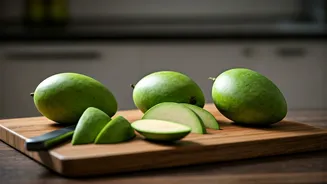
The best part about this trend is how easy it is to try. You can find green, unripe mangoes at most Asian or Latin American grocery stores. Look for firm, green-skinned fruit that has no give when you press it. The simplest way to enjoy it is to slice the mango into thin matchsticks (julienne) or spears. From there, the possibilities are endless. A great starting point is a simple sprinkle of chili-lime seasoning, like Tajín. For a more Southeast Asian-inspired plate, assemble your mango strips with roasted peanuts, fresh mint and cilantro, a squeeze of lime, and a drizzle of fish sauce. You can also add cooked shrimp or shredded chicken for a more substantial meal. Don't be afraid to experiment—the mango’s job is to be the sour, crunchy base for whatever savory, spicy, or salty toppings you love.