








1. Master Your Gutters and Downspouts
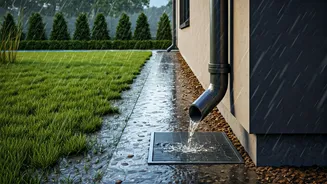
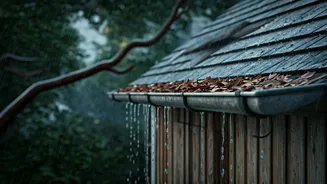
It’s easy to ignore your gutters until they’re overflowing, but by then, the damage may already be starting. Your gutter system is your home's first line of defense, designed to channel thousands of gallons of water away from your foundation and siding.
The 'smart' move here is preventative maintenance. At least twice a year—once in the spring and again in the late fall—clear out leaves, twigs, and other debris that can cause blockages. While you're up there (safely, on a sturdy ladder), check that the gutters are securely attached and sloped properly toward the downspouts. A simple but brilliant upgrade is adding downspout extenders. These inexpensive attachments ensure that water is discharged at least five to ten feet away from your foundation, preventing it from pooling against your basement walls and seeping inside.
2. Seal Gaps Around Windows and Doors
Even a tiny gap can become a superhighway for wind-driven rain. Over time, the caulking and weatherstripping that seal your windows and doors can dry out, crack, and fail. This is a simple, high-impact DIY project. On a dry day, perform a visual inspection of all exterior windows and doors. Look for cracked or peeling caulk around the frames. Use a utility knife to scrape away the old material and apply a fresh bead of high-quality exterior silicone caulk. Next, check the weatherstripping. If you can see daylight around a closed door or feel a draft, it's time for a replacement. This not only keeps rain out but also improves your home's energy efficiency, saving you money on heating and cooling bills—a classic two-for-one benefit.
3. Inspect Your Roof Without Climbing On It
Most homeowners aren't roofing experts, and climbing onto your roof is risky. But you can still be proactive. The 'smart' approach is to become a vigilant inspector from the ground. After a major storm or at the change of seasons, grab a pair of binoculars and scan your roof. Look for anything that seems out of place: shingles that are curled, cracked, or missing; dark patches that could indicate moisture; or flashing around chimneys, vents, and skylights that appears loose or rusted. If you spot any potential trouble, take a photo and call a licensed roofing professional for an assessment. Catching a small issue like a single missing shingle can prevent a massive, costly ceiling repair down the road. It’s about knowing what to look for so you can call in the experts before a small problem becomes a catastrophe.
4. Re-Grade the Ground Around Your Foundation
This is one of the most overlooked but effective ways to keep a basement or crawlspace dry. The ground surrounding your home should slope away from the foundation, not toward it. The ideal grade is a drop of at least six inches over the first ten feet. If you see soil or mulch piled up against your siding, or if water pools near your house after a storm, you have a grading problem. The fix can often be a simple landscaping project. Remove excess soil from around the foundation and use it to build up a gentle slope. You don't need to hire a contractor with a bulldozer; often, a shovel, a wheelbarrow, and a few hours of work can redirect water flow and solve persistent dampness in your lower levels.
5. Test Your Sump Pump Before You Need It
If your home has a basement, the sump pump is your last line of defense against flooding. This submersible pump sits in a pit, and when groundwater levels rise, it automatically kicks on to pump water out and away from your foundation. But like any mechanical device, it can fail. The time to discover it isn't working is not during a torrential downpour. The 'smart' homeowner tests their sump pump regularly, especially before the rainy season begins. It’s easy to do: simply pour a few gallons of water into the sump pit. The float should rise, activating the pump, which should then quickly empty the pit. If it doesn't turn on, or if it runs but doesn’t drain the water, it's time to call a plumber immediately. Consider installing a battery backup system for peace of mind during power outages.