


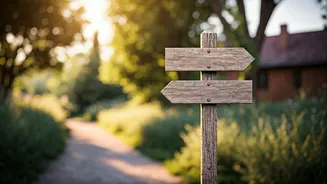


The Great Itinerary Rebellion
For years, the measure of a “successful” trip was how much you could cram into it. The goal was to see everything, do everything, and have the jam-packed photo album to prove it. But a quiet rebellion is underway. Travelers, particularly in the post-pandemic
era, are rejecting what can only be described as ‘itinerary tyranny.’ We’re collectively recovering from years of burnout, and the last thing anyone wants is a vacation that feels like a second job. This shift is less about laziness and more about intentionality. Instead of a rigid list of tourist-clogged landmarks, the new travel currency is serendipity. It’s the freedom to wander without a goal, to stumble upon a hidden courtyard, or to spend an entire afternoon in a cafe simply because the vibe is right. This approach reclaims vacation as a time for genuine rest and discovery, not performance. It’s a conscious uncoupling from the pressure to optimize every moment, a welcome departure from the idea that you have to ‘earn’ your relaxation by first conquering a city.
Your Stomach as Your Compass
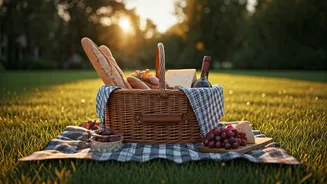
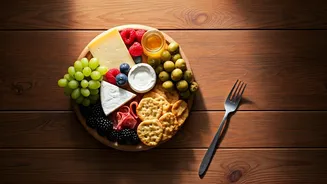
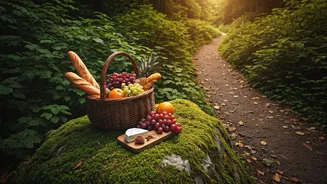
At the heart of this new travel philosophy is food. But not just reservations at the world’s top restaurants (though that can be part of it). The real shift is using food as the primary anchor for a day’s activities. Instead of planning a route from museum to monument, modern travelers are more likely to build their day around a pilgrimage to a celebrated bakery for a morning pastry, a long lunch at a local-recommended trattoria, and an evening stroll to find the best gelato. This culinary-centric approach does more than just satisfy hunger; it provides a direct and delicious entry point into a local culture. A market stall tells you what’s in season. A neighborhood coffee shop reveals the daily rhythms of a community. Following the scent of fresh bread can lead you down a street you’d never find in a guidebook. In this model, meals aren’t just fuel stops between activities—they *are* the main event, offering a sensory map that is often more memorable than any postcard view.
Walking Is the Destination
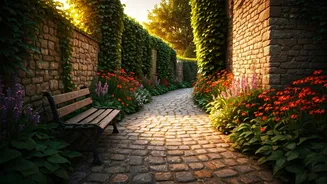
Alongside food, the simple act of walking has been elevated from a mode of transit to a headline activity. The goal is no longer to get from Point A to Point B as efficiently as possible. The goal is the walk itself. This embrace of pedestrian-paced exploration allows travelers to connect with a place on a more human scale. You notice the architectural details, the window boxes, the street art, and the daily interactions that are invisible from a tour bus or speeding taxi. This trend aligns perfectly with a broader wellness movement and a desire to disconnect. A long walk is a meditative act. It’s a chance to put the phone away and engage your senses—the sound of a city waking up, the feel of cobblestones underfoot, the changing light of late afternoon. By slowing down to the speed of our own two feet, we absorb our surroundings more deeply, turning a simple stroll into an immersive experience. The best discoveries on a trip are rarely planned, and walking is the ultimate engine for happy accidents.
How to Embrace the Slow Down
Adopting this mindset doesn't require a complete overhaul of your travel style, just a few simple adjustments. Start by building intentional “empty space” into your schedule. Instead of booking every hour, leave an entire afternoon or morning completely free for spontaneous exploration. Pick a neighborhood to get lost in rather than a list of sights to tick off. When you get there, let your curiosity lead. Follow a beautiful street, pop into a shop that looks interesting, or sit on a park bench and just people-watch. Frame your day around one key culinary moment—a great coffee, a special lunch, or a local snack—and let the rest of the day unfold organically around it. The goal is to trade the pressure of “seeing it all” for the much deeper pleasure of truly experiencing a small part of it.