






More Than Just Vegetarian
First, let’s clear one thing up: veganism in India isn't just a new name for its age-old vegetarianism. While India has the largest population of vegetarians in the world, dairy is the heart and soul of countless regional cuisines. Ghee (clarified butter)
is the foundational cooking fat, paneer (a firm, fresh cheese) is the star of blockbuster dishes, and dahi (yogurt) is used to marinate, cool, and culture. Going vegan means leaving all of that behind. For decades, this made true veganism a culinary challenge. It wasn’t just about skipping a steak; it was about rethinking the very grammar of the Indian kitchen. But what was once a near-impossible task is now becoming a delicious exploration, as a new generation reinterprets tradition without the dairy that once defined it.
A Flavor-First Revolution
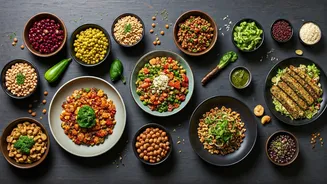
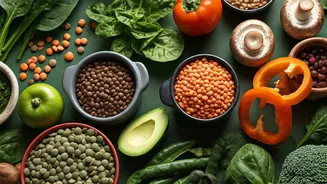
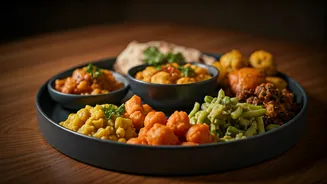
So how does it taste? In a word: incredible. The new veganism in India is a masterclass in substitution and innovation. Chefs and home cooks aren't just removing ingredients; they're building flavor in smarter ways. Instead of paneer, you might find cubes of firm tofu simmered in a creamy, cashew-based makhani sauce that loses none of its signature richness. The meaty texture of jackfruit is being used to create stunningly good “pulled” meat for biryanis and curries. Plant-based milks made from coconut, oats, and almonds are seamlessly replacing dairy in chai and desserts. This isn’t about pale imitations. It's a creative movement rediscovering the power of India’s core ingredients: spices, legumes, and vegetables. Lentil crepes (dosa) have always been vegan. Chickpea flour is being used to create savory omelets called “besan chilla.” The focus is squarely on making food that’s satisfying and complex on its own terms, proving that you don’t need butter or cream when you have turmeric, tamarind, and tempering spices.
Driven by Youth, Not Dogma
Perhaps the most important part of this trend is its vibe. Unlike some Western wellness movements that can feel exclusionary or judgmental, India’s vegan shift is largely positive and inviting. It’s being driven by a younger, urban generation that’s connected to global conversations around health, sustainability, and animal welfare, but is applying those ideas within a uniquely Indian context. For them, choosing veganism is a modern identity statement. It’s cool, it’s conscious, and it’s aspirational. You see it in the explosion of chic vegan cafes in cities like Mumbai, Bangalore, and Delhi, and in the flood of vibrant food blogs and Instagram accounts. The message isn't “You’re bad for eating dairy.” It’s “Look at this amazing dish I made with peanut curd.” This approach—leading with joy and flavor—has made the movement accessible and appealing to a much wider audience.
The Rise of a New Pantry
This culinary evolution is powered by a burgeoning industry of plant-based startups. Just a few years ago, finding vegan yogurt or cheese in an Indian supermarket was a fantasy. Today, a new market is rapidly emerging to fill the gaps. Companies are creating everything from vegan ghee made with coconut oil to artisanal nut-based cheeses that actually melt. There’s peanut-based curd that mimics traditional dahi, and mock meats that are finding their way into homes and restaurant kitchens. This commercial availability is a game-changer. It takes veganism from a difficult, do-it-yourself lifestyle to a convenient choice. When you can buy a high-quality block of vegan paneer or a carton of oat milk for your morning chai, the barrier to entry plummets. It signals a shift from a niche interest to a sustainable, mainstream consumer trend that's here to stay.