






When the Itinerary Washes Away
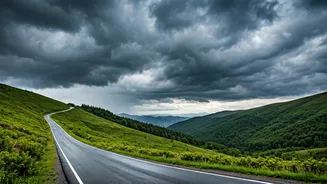
Traveling during monsoon season in South or Southeast Asia is an act of surrender. Your plans for sun-drenched temple tours, beach lounging, and perfect golden-hour photos are often cheerfully washed away by the daily downpour. The sky is a bruised purple,
the air is thick with the scent of wet earth, and mobility can be a challenge. It’s a reality that can feel limiting, even disappointing, if your definition of a vacation is built around perpetual sunshine and outdoor activity. But this is where the magic begins. When the world outside narrows, your focus shifts inward—to the guesthouse common room, the covered market stall, the small, steamy restaurant just down the lane. The monsoon doesn’t ruin the trip; it simply changes the objective. The goal is no longer to see everything, but to feel something. And more often than not, that feeling is found in a simple, steaming plate of food.
A Sanctuary of Steam and Spice
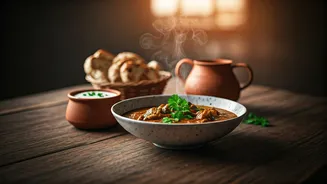
There is no comfort quite like the one offered by a hot meal on a rainy day. It's a universal truth, but one that feels amplified to a near-spiritual level during a tropical monsoon. Imagine ducking out of a relentless shower into a tiny eatery in Kerala. The air inside is fragrant with coconut, curry leaves, and mustard seeds popping in hot oil. Outside, the world is a blur of gray and green. Inside, a cook hands you a plate of crisp, golden-brown banana fritters (pazham pori) and a small, steaming glass of sweet, milky chai. This isn’t a meal you’d find on a sterile, all-inclusive resort buffet. This is a sensory escape. The crunch of the fritter, the warmth of the tea spreading through your chest—it’s a direct counterpoint to the damp chill clinging to your clothes. In Northern India, it might be a plate of assorted pakoras—onion, potato, and spinach dipped in chickpea batter and deep-fried—served with a tangy mint chutney. In Vietnam, it’s huddling over a bowl of pho, its star anise-scented broth a perfect antidote to the deluge. This is the luxury of perfect context, where the food is not just delicious, but necessary.
Flavors Born from the Season
Monsoon food is not an accident; it’s a tradition honed over generations. Many of the dishes that define the season are rooted in practicality and even wellness. In Ayurvedic tradition, the damp, cool weather is thought to increase certain bodily imbalances. The answer? Hot, spicy, and easily digestible foods. This is why you see an abundance of ginger, garlic, turmeric, and black pepper in monsoon cooking—ingredients believed to boost immunity and aid digestion. It’s also about seasonality. The monsoon brings forth a unique bounty of vegetables. Wild mushrooms, gourds, and leafy greens that thrive in the wet conditions find their way into stir-fries and curries. In Goa, the first rains are celebrated with salt-cured fish, a staple prepared months in advance. Eating these dishes connects you to the agricultural and culinary rhythm of a place. You’re not just consuming a meal; you’re participating in an annual, time-honored ritual.
The Currency of Connection
Perhaps the most luxurious aspect of these local meals is the connection they foster. A five-star hotel can isolate you with pristine service and familiar comforts. But a shared plate of fried snacks at a roadside stall does the opposite. You are sitting alongside locals who are also taking refuge from the rain, all united in the simple, communal pleasure of a hot meal. Language barriers fade when you can all nod in appreciation at the perfect cup of masala tea. These moments are the fabric of real travel. They are the unplannable, authentic experiences that become the stories you tell for years to come. The infinity pool will fade from memory, but the taste of that spicy noodle soup, eaten while rain hammered on the corrugated roof above, will remain. It’s a reminder that true luxury isn't about being insulated from the world; it’s about finding the most meaningful way to connect with it, one delicious, rain-soaked bite at a time.