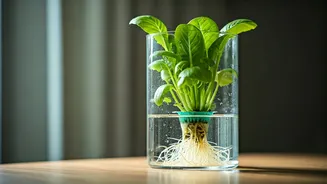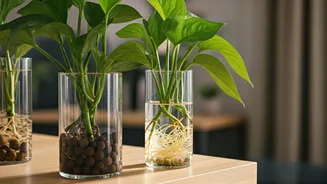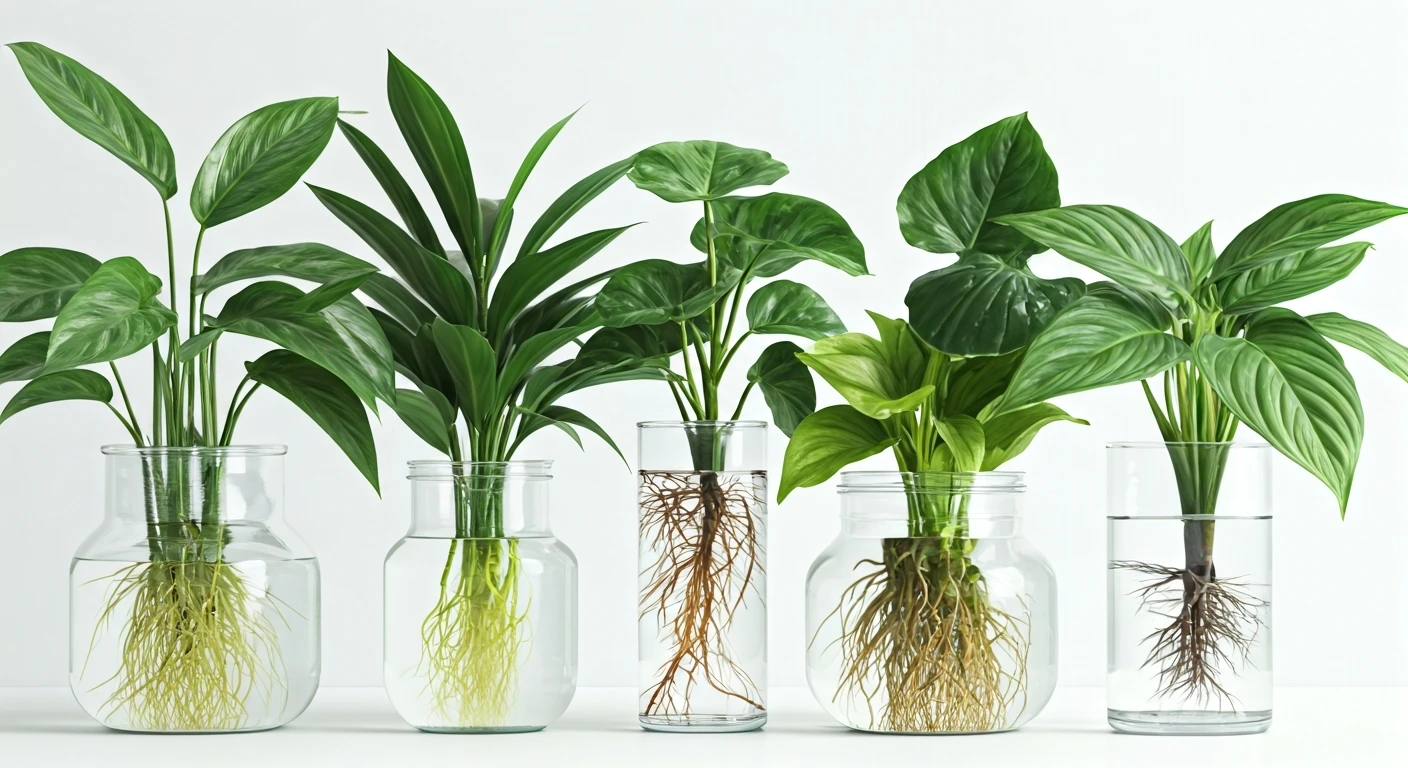



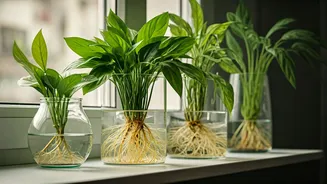
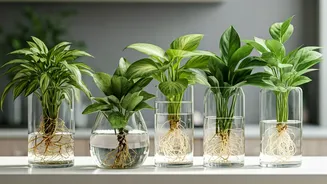
What Are 'No-Mud' Plants?
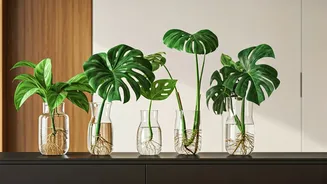
The term “no-mud plants” doesn’t refer to a specific species, but rather a method of growing them. Instead of soil, these plants live in water-based systems. While this might sound like complex science, the most popular approach for home gardeners is surprisingly
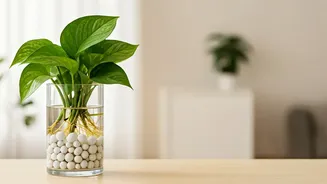
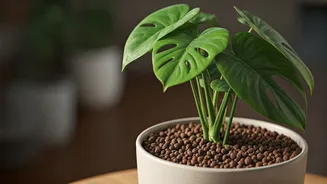
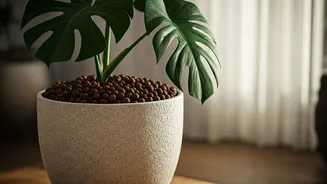
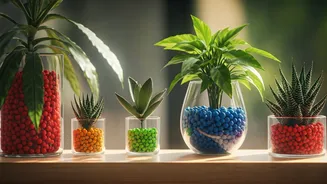
simple: semi-hydroponics. This technique typically uses an inert growing medium like LECA—Lightweight Expanded Clay Aggregate. These small, porous clay balls look like terracotta-colored cereal puffs and serve one primary purpose: to anchor the plant’s roots and wick water up to them from a reservoir below. The plant effectively drinks what it needs, when it needs it, without ever sitting in a dense, muddy pot of soil. This method gives you the aesthetic of a healthy plant without the common downsides of dirt.
The Appeal of a Soil-Free Setup
So why are urbanites swapping their soil for clay balls? The benefits align perfectly with modern city living. First and foremost is cleanliness. There’s no soil to spill during repotting, no muddy water runoff, and no dirt tracked through your apartment. This is a game-changer for anyone in a small, tidy space. The second major draw is pest control. Many common houseplant pests, like the notoriously persistent fungus gnat, live and breed in the top layer of damp soil. By removing soil from the equation, you eliminate their habitat, leading to a healthier plant and a less buggy home. Finally, it simplifies watering. With a clear reservoir, you can see exactly when your plant needs a drink, dramatically reducing the risk of over- or under-watering—the number one killer of houseplants.
How Does It Actually Work?
Plants can’t live on water alone. Soil provides not only an anchor but also essential nutrients. The “no-mud” method cleverly separates these functions. The LECA, or a similar substrate, provides the physical support for the roots. The nutrients, meanwhile, are delivered via the water. Instead of plain tap water, you use a water-soluble fertilizer specifically designed for hydroponic systems. This nutrient solution sits in the outer pot, or reservoir, creating a small pool at the bottom. The absorbent clay balls act like a straw, wicking the nutrient-rich water upward into the root zone as the plant needs it. The gaps between the balls also allow for excellent airflow, promoting healthy root development and preventing rot. It's a self-regulating system that gives the plant more control over its own environment.
Getting Started: The Essentials
Transitioning to a soil-free life sounds more intimidating than it is. You only need a few key items. First, the growing medium: LECA is the most popular and widely available choice for beginners. Second, you’ll need a two-part container system. This can be a dedicated semi-hydroponic pot or a DIY setup using a plastic nursery pot with drainage holes (the inner pot) placed inside a decorative waterproof pot without holes (the outer reservoir). Third, and most critically, is hydroponic nutrient solution. Standard houseplant fertilizer isn’t formulated for this and can harm your plant. Look for a two- or three-part hydroponic nutrient system, which will provide the full spectrum of macro and micro-nutrients your plant was previously getting from soil. The final ingredient is a plant—many common houseplants like pothos, monsteras, and philodendrons transition very well.
Is This Upgrade Right for You?
While the benefits are compelling, a soil-free setup isn't a zero-effort magic bullet. There's an initial learning curve and a bit of setup involved. You'll need to thoroughly wash the soil from your plant's roots before transferring it, a process that can be messy and stressful for the plant. The initial cost of LECA, pots, and specialized nutrients can also be higher than a simple bag of potting soil. However, for many plant owners, these upfront costs in time and money are a worthwhile investment for the long-term payoff: cleaner homes, fewer pests, and more resilient, easy-to-monitor plants. It’s an upgrade for those who love the look of greenery but crave a more controlled, streamlined approach to their indoor garden.