



1. The Gut Health 'Glow-Up'
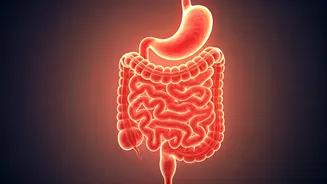
The biggest reason for fiber’s comeback is a massive rebranding effort, courtesy of the wellness industry. We're no longer talking about just 'regularity.' The conversation has shifted to a far more sophisticated and appealing concept: gut health. The microbiome—that
complex ecosystem of trillions of bacteria in your digestive tract—is now seen as the command center for everything from our immune system and mood to skin clarity and energy levels. Fiber is the primary food for the 'good' bacteria in our gut. By framing it as a way to cultivate a thriving internal garden that supports overall vitality, fiber shed its old, medicinal reputation and took on the glow of a modern wellness essential. It’s no longer a fix for a problem; it’s a tool for optimization.
2. Social Media Made it Shareable
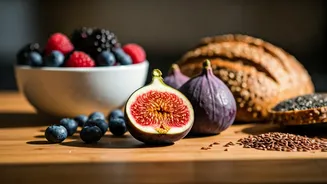
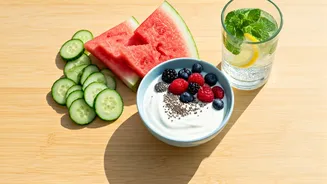
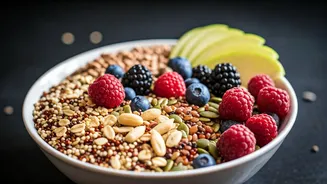
Fiber went viral. On platforms like TikTok and Instagram, wellness influencers have transformed a mundane nutrient into compelling content. Think of the 'internal shower' trend, where users filmed themselves drinking a glass of water with chia seeds and lemon to 'cleanse' their system. Colorful smoothie bowls topped with flax seeds, berries, and oats aren't just breakfast; they're content. These visual, easily replicated trends demystified fiber for a new generation. When you see someone with glowing skin crediting their daily psyllium husk smoothie, it makes the habit feel less like a chore and more like a beauty secret. The social proof and aspirational framing have been more powerful than any traditional health campaign.
3. It's Not Your Grandma's Bran Anymore
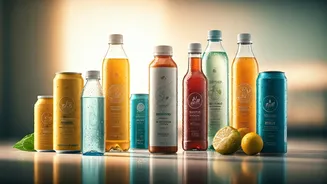
Food manufacturers got the memo. The market is now flooded with innovative, genuinely tasty products that pack a serious fiber punch. Forget cardboard-like crackers. Today, you can find high-fiber pastas that taste nearly identical to their traditional counterparts, delicious low-sugar cereals, and even prebiotic sodas that promise to nourish your gut. Brands like Olipop and Poppi have made a can of soda a gut-friendly experience. Breads and tortillas are fortified with fiber without sacrificing texture. This innovation is crucial. The trend wouldn't stick if the only options were unpalatable. By making high-fiber choices easy, convenient, and delicious, the food industry has removed the biggest barrier to entry for most people.
4. The Plant-Based Boom
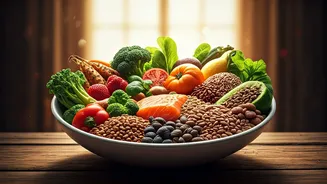
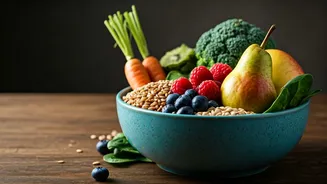
The explosion of plant-based and plant-forward eating has been a huge, if sometimes unintentional, driver of fiber consumption. When people swap meat and dairy for lentils, beans, chickpeas, whole grains, nuts, and seeds, their fiber intake naturally skyrockets. These foods are the foundation of many vegetarian and vegan diets, and they happen to be some of the most fiber-rich sources available. As more Americans participate in 'Meatless Mondays' or simply try to eat more plants for environmental and health reasons, they are rediscovering the benefits of a diet rich in whole foods—and fiber is a major part of that package. The two trends are inextricably linked and mutually reinforcing.
5. Beyond Digestion: The Wider Benefits
The conversation has also broadened beyond the gut. Health experts and influencers are now highlighting fiber's other powerful benefits, which appeal to a wide range of wellness goals. Soluble fiber, found in oats and beans, can help lower cholesterol and improve heart health. It also helps stabilize blood sugar by slowing down the absorption of sugar, which prevents energy crashes and can aid in managing conditions like type 2 diabetes. Furthermore, high-fiber foods are incredibly satiating. They make you feel fuller for longer on fewer calories, which is a major draw for anyone interested in weight management. This multi-benefit profile makes fiber a nutritional powerhouse that appeals to almost everyone, regardless of their specific health goal.