
The Magic of Mithai
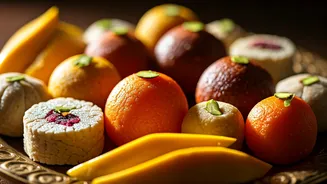
In the vibrant culinary landscape of India, `mithai` are more than just sweets; they are an integral part of celebration, tradition, and everyday joy. From the syrupy coils of jalebi to the rich, milky spheres of gulab jamun, these confections are often
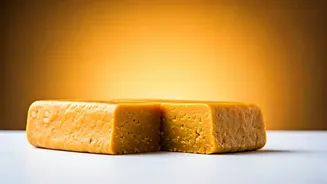
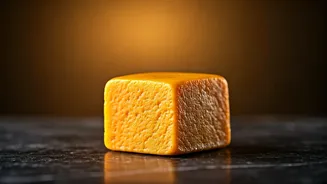
the centerpiece of festivals like Diwali, weddings, and family gatherings. But let’s be honest: for the uninitiated home cook, the world of mithai can be intimidating. Many classic recipes require precise techniques, special equipment, or hours of patient stirring and shaping. This is where barfi comes in. A type of dense, milk-based fudge, barfi is a category of its own, with flavors ranging from pistachio to coconut. And its mango variation is perhaps the most forgiving and rewarding of them all.
Why Mango Barfi Is the Perfect Hack
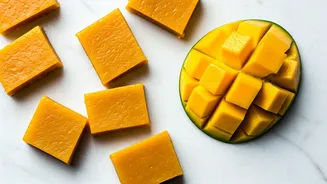
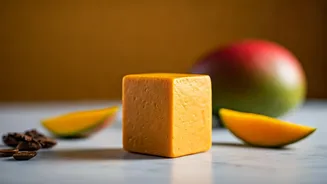
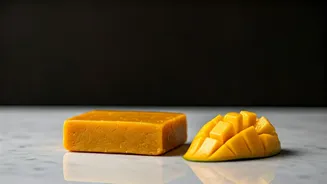
So what earns mango barfi the title of “the lazy cook’s mithai”? Simplicity. Unlike sweets that require deep-frying, tricky sugar syrups, or complex doughs, mango barfi is essentially a one-pan wonder. The process boils down to three main stages: mix, cook, and set. There’s no yeast to proof, no dough to knead, and no hot oil to fear. The core of the recipe relies on pantry-friendly staples, and the star ingredient—mango—is most often used in the form of canned pulp. This is a game-changer. Using high-quality canned mango pulp (like Kesar or Alphonso varieties) means you get consistent, intense mango flavor year-round, without the hassle of peeling, pitting, and pureeing fresh fruit. It's an authorized cheat code for deliciousness.
Your Simple Ingredient List
You don't need a sprawling grocery list for this. In fact, you might only need a quick trip to an Indian grocery store or a well-stocked supermarket aisle. Here are the non-negotiables: - **Mango Pulp:** The heart of the dish. Look for canned Alphonso or Kesar mango pulp for the best flavor and color. One 30-ounce can is usually perfect. - **Milk Powder:** This is what gives the barfi its signature fudgy, milky texture. Full-fat milk powder provides the richest result. - **Sugar:** Plain granulated sugar works perfectly. You can adjust the quantity based on the sweetness of your mango pulp. - **Ghee (Clarified Butter):** A teaspoon or two of ghee adds a nutty richness and helps prevent the mixture from sticking. You can substitute with unsalted butter if needed. - **Cardamom Powder:** A pinch of ground cardamom provides a warm, fragrant counterpoint to the sweet mango. It’s optional but highly recommended.
The Effortless Method
First, prepare your setting tray by greasing it lightly with ghee or lining it with parchment paper. A standard 8x8 inch pan is ideal. Now, in a heavy-bottomed non-stick pan, combine the mango pulp and sugar over medium-low heat. Stir until the sugar dissolves completely. Next, add the milk powder to the pan, a little at a time, whisking continuously to avoid lumps. This is the most active part of the process. Once the milk powder is fully incorporated, switch to a spatula. Add your ghee and cardamom powder, and continue to cook, stirring constantly. The mixture will thicken gradually. You'll know it's ready when it starts to pull away from the sides of the pan and forms a single, cohesive mass. This usually takes about 15-20 minutes. Don't rush it. Once it reaches this stage, immediately pour the mixture into your prepared tray and spread it evenly with the back of your spatula.
Garnish and Set
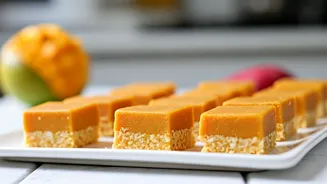
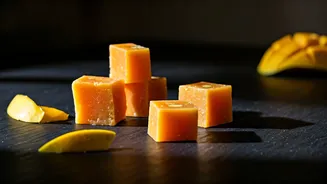
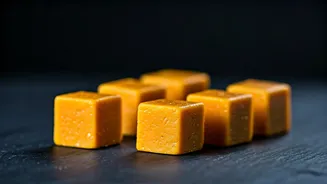
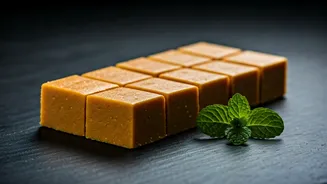
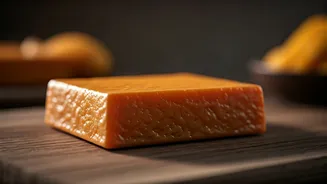
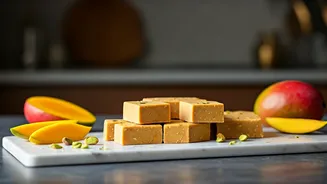
While the barfi is still warm, you can press your desired toppings onto the surface. Finely chopped pistachios or slivered almonds are classic choices, providing a lovely color contrast and textural crunch. For a truly festive look, you can even find edible silver leaf (`vark`) at Indian grocery stores. Now for the hardest part: waiting. Let the barfi cool to room temperature on the counter for at least 2-3 hours, or until it is completely firm. Some recipes suggest refrigerating it to speed up the process, but letting it set at room temperature often yields a better, less grainy texture. Once it's firm, use a sharp, greased knife to cut it into squares or diamond shapes. Your spectacular, seemingly complex mithai is ready to serve.