
Beyond the Restaurant Menu
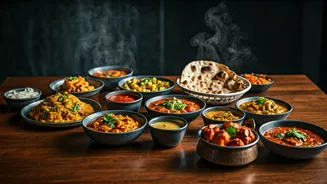
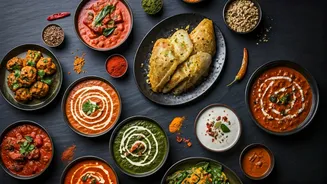
Think about the last time you went out for Indian food. Chances are, the menu featured pillars like chicken tikka masala, saag paneer, and maybe a lamb vindaloo. These dishes are delicious, but they represent a tiny, homogenized fraction of what people
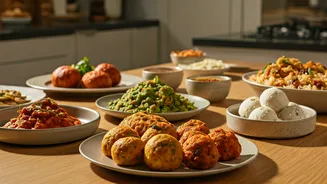
in India actually eat. For decades, Indian restaurant cuisine in the U.S. catered to a Western palate, smoothing out the subcontinent’s staggering diversity into a predictable, comforting, and often cream-heavy experience. It was food designed for introduction, not exploration. This first-wave approach served a purpose, establishing a beachhead for Indian flavors in the American mainstream. But it also created a culinary stereotype. The intricate, hyper-regional dishes that vary from one state, city, or even household to the next—the food Indian immigrants actually cooked and ate at home—remained largely behind closed doors. This was the food of comfort and identity, known as 'ghar ka khana' (home-cooked food), and it was rarely found on a commercial menu.
The 'Ghar Ka Khana' Generation
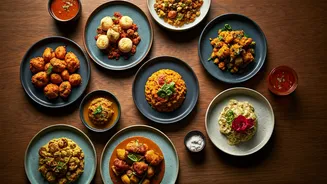
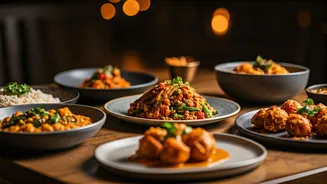
The comeback isn’t about bringing back something that was lost, but rather bringing it into the public sphere for the first time. The driving force is a new generation of Indian American chefs and food entrepreneurs, many of whom are the children of the immigrants who opened those first-wave restaurants. They grew up navigating two cultures, and their food reflects that. They have a deep-seated nostalgia for the specific flavors of their parents' cooking—a grandmother's fish curry from Kerala, a father’s rustic goat stew from Rajasthan, or a neighbor’s lentil dumplings from Uttar Pradesh. Instead of replicating the standard restaurant fare, these chefs are digging into their own family cookbooks and culinary memories. They are celebrating the dishes that were once deemed 'too ethnic,' 'too spicy,' or 'too unusual' for the American diner. This movement is a confident declaration that the diverse, nuanced food of the Indian home is not just worthy of a restaurant setting but is, in fact, the next frontier of Indian cuisine in America.
What Makes It 'Smart'?
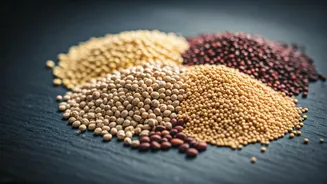
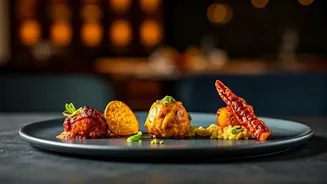
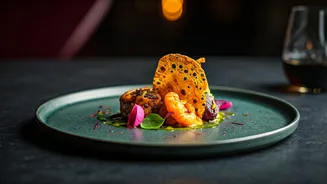
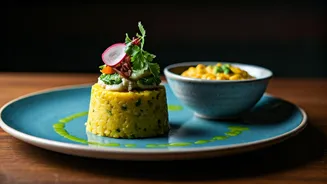
This revival is more than just sentimental. The 'smart' part of the comeback lies in its execution. Chefs are not simply photocopying old recipes; they are reinterpreting them with modern techniques, high-quality local ingredients, and a strong sense of storytelling. The 'smartness' is in the thoughtful curation. You might find a rustic, smoky baingan bharta (mashed eggplant) made with heirloom eggplant from a local farm, elevating a humble dish to a star attraction. You could see forgotten grains like millet used in place of rice, a nod to both ancient traditions and modern health trends. At celebrated New York restaurants like Dhamaka, the menu focuses on what they call 'the other India,' presenting provincial dishes with unapologetic spice and flavor. This isn't about 'elevating' the food by making it French; it's about presenting it in its best possible light, with context and pride. The story of where a dish comes from, and why it matters, is now part of the meal itself.
A Seat at a Bigger Table
Ultimately, this trend is about more than just food. For many Indian Americans, seeing the meals of their childhood celebrated in popular culture is a powerful form of validation. It’s a shift from assimilation to celebration, where cultural specificity is a strength, not a liability. For diners of all backgrounds, it’s an invitation to a much bigger, more exciting table. It offers a portal into the true diversity of India, a country where the cuisine can change dramatically every hundred miles. This comeback signals a maturation of both the cuisine and the audience. American palates have grown more adventurous, and diners are increasingly seeking authenticity and a story behind their food. They don't just want to eat; they want to understand. The return of these nostalgic meals provides exactly that: a taste of home, a lesson in geography, and a delicious glimpse into the heart of a culture that has, for too long, been represented by only a few of its greatest hits.