

The Foundation Is No Longer Just Lettuce
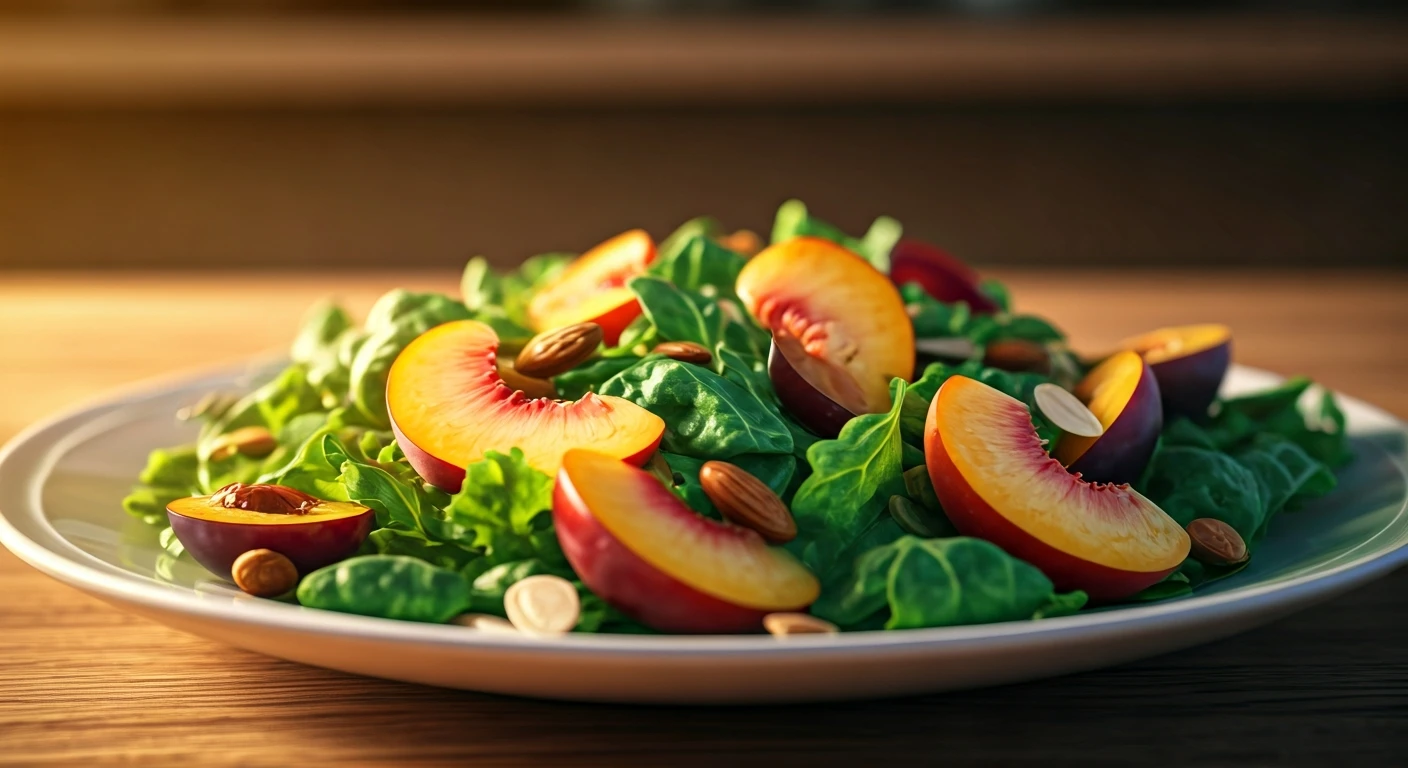
The first rule of the new salad bowl is that the base doesn't have to be a bed of fragile greens. The modern bowl is built on a sturdier, more satisfying foundation that can stand up to bold dressings and a mountain of toppings. Think heartier greens like
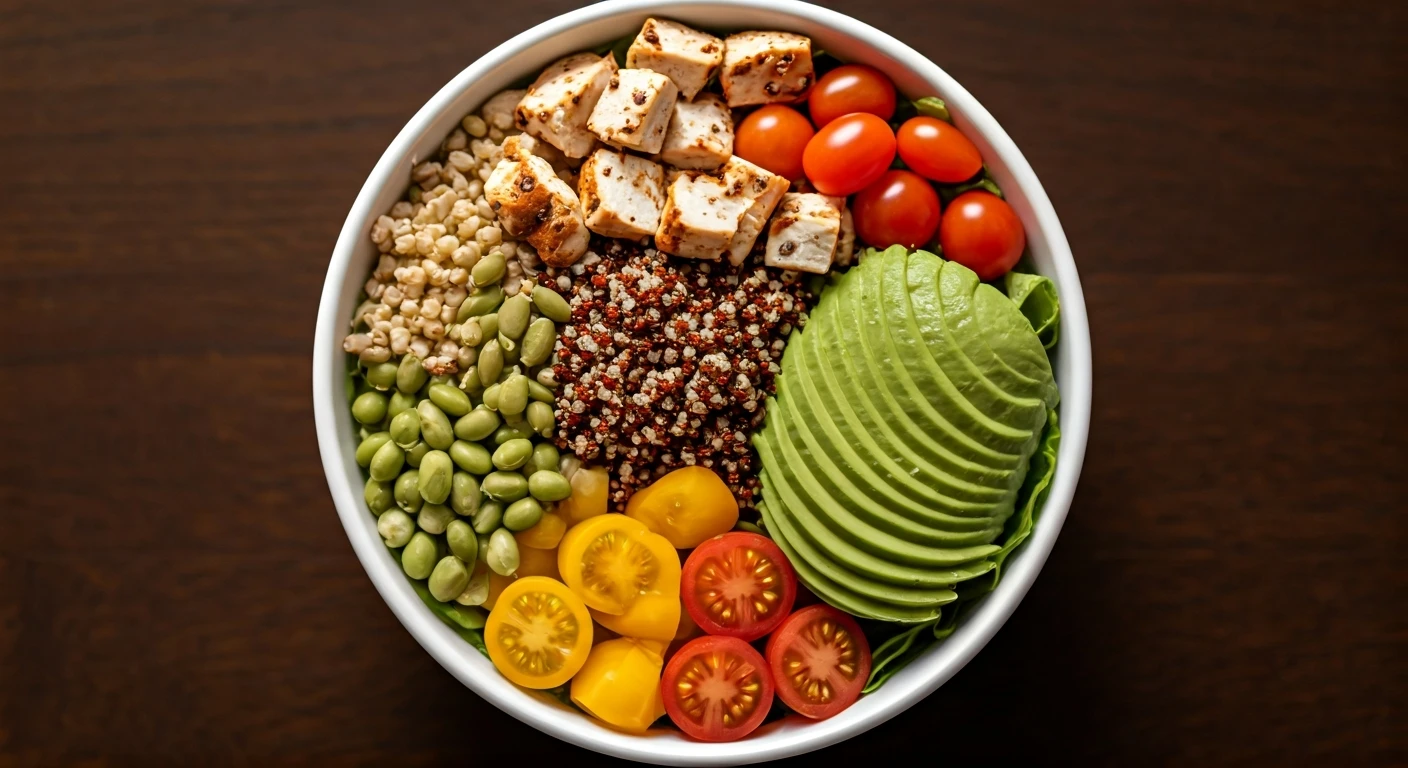
romaine, radicchio, or crunchy cabbage slaw, which won't wilt the second you look at them. Better yet, mix your greens with a grain. Farro, quinoa, and barley add a nutty, chewy texture and make the salad feel like a complete meal, not just a starter. Even cooked and chilled noodles, from soba to rice vermicelli, are showing up as a base, turning the salad bowl into a refreshing noodle salad hybrid perfect for hot days.
Texture Is Everything
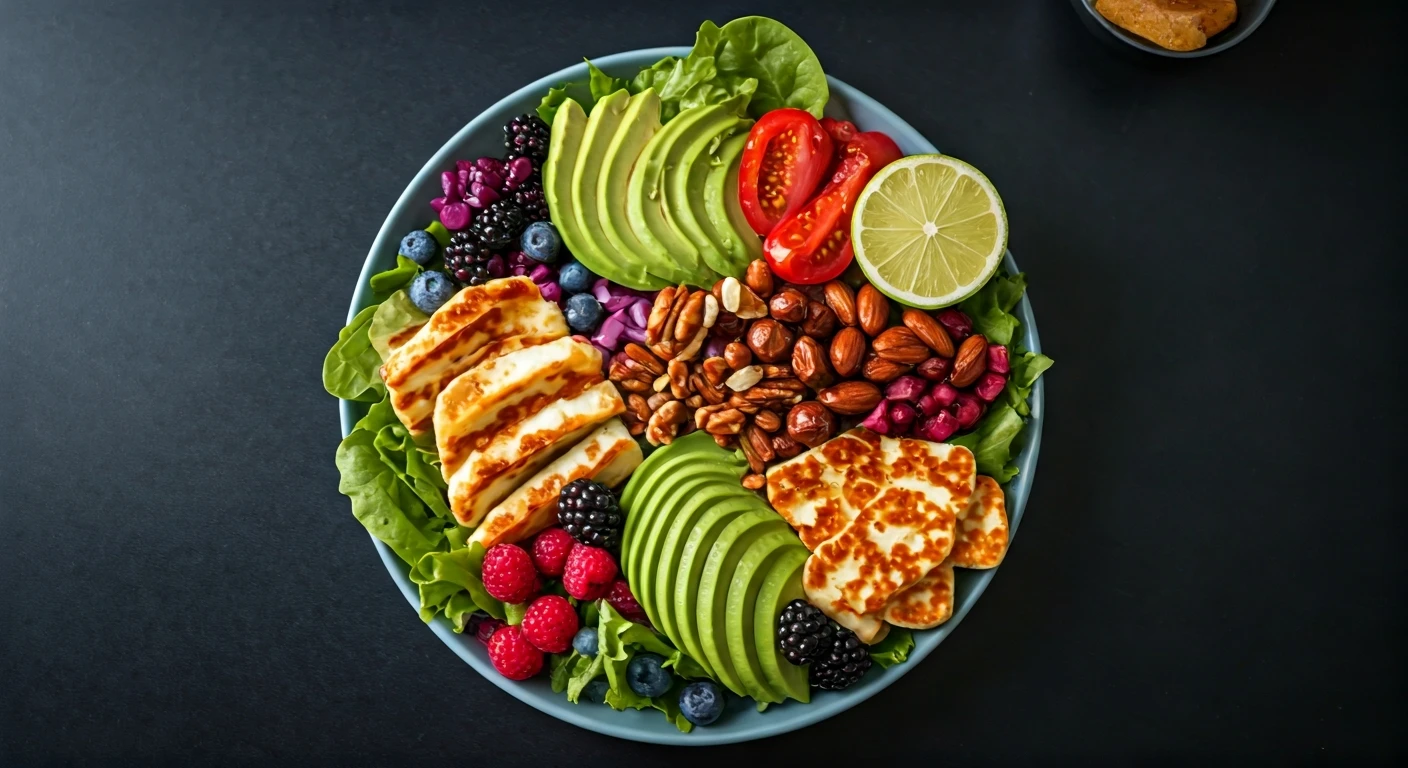
If the old salad was defined by one monotonous texture (soggy), the new salad is a masterclass in contrast. The key to a truly craveable bowl is a dynamic interplay of textures in every bite. This is non-negotiable. For every soft or tender ingredient—like roasted sweet potato, avocado, or a jammy soft-boiled egg—you need a counterpart that provides a serious crunch. This is where the fun begins. We’re talking toasted nuts and seeds (pepitas, sunflowers, almonds), crispy chickpeas roasted with spices, savory granola, crushed tortilla chips, or crunchy fried shallots. Even herby, garlicky breadcrumbs (pangrattato) tossed over the top can transform a good salad into a great one. Don't skip this step; it's what makes the bowl feel finished and intentional.
Your Dressing Got a Major Upgrade
Let’s be honest: a salad is only as good as its dressing. The era of watery, flavorless vinaigrette is over. Today's dressings are the undisputed star of the show, bringing complex, punchy flavors that tie the whole bowl together. The trend is moving toward creamy, umami-rich, and spicy profiles. Think tahini-based dressings infused with lemon and garlic, miso-ginger vinaigrettes that are both salty and sweet, or creamy avocado-lime dressings that feel indulgent but are packed with good fats. Hot honey vinaigrettes are everywhere, providing that perfect sweet-and-spicy kick. The key is to make or buy a dressing you love so much you’d eat it with a spoon. A great dressing makes everything else in the bowl taste better.
Protein That Isn't an Afterthought
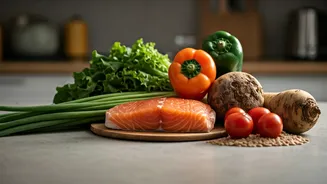
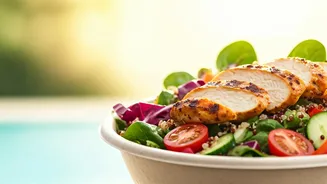
Gone are the days of topping a salad with a dry, unseasoned chicken breast and calling it a day. The protein in a modern salad bowl is treated with the same care and attention as every other component. It should be just as flavorful and well-prepared as if it were the main event—because it is. This means chicken thighs marinated and grilled, salmon flaked into big, moist pieces, or shrimp seared with garlic and chili. For plant-based options, it’s about marinated and baked tofu or tempeh that has crispy edges, or lentils and beans simmered with aromatics to infuse them with flavor. The goal is to ensure the protein adds to the overall experience, bringing its own distinct taste and texture to the party.
Finishing With a 'Third Place' Topping
The final layer of the new salad bowl is what food stylists and chefs call the 'third place' ingredient—that special element that adds a surprising pop of flavor or color and makes the dish feel chef-driven. It's the detail that elevates it from a random assortment of ingredients to a composed dish. This could be a generous sprinkle of fresh, soft herbs like dill, mint, or cilantro. It might be a spoonful of something briny and acidic, like quick-pickled red onions or capers. A dollop of a creamy element like labneh, feta, or goat cheese can provide a cool counterpoint. Or it could be a drizzle of a finishing oil or a sprinkle of a specific spice blend like za'atar or sumac. It's the final flourish that makes the bowl truly memorable.