




Beyond Butter Chicken and Naan
For many Americans, “Indian food” has long been synonymous with the rich, creamy, wheat-based dishes of the North: butter chicken, palak paneer, and pillowy naan bread. It’s delicious, comforting, and has been the dominant face of the subcontinent’s cuisine
in the U.S. for decades. But India is a vast country with wildly diverse culinary traditions, and South Indian food operates on a completely different, and increasingly popular, wavelength. Stretching across states like Tamil Nadu, Kerala, Karnataka, Andhra Pradesh, and Telangana, this is a cuisine built on rice, lentils, and coconut. Flavors are often lighter and tangier, with prominent notes of tamarind, mustard seed, curry leaves, and fresh chilies. Fermentation is key, giving dishes like dosas and idlis their signature airy texture and subtle sourness. While the North leans heavily on dairy like cream and ghee, the South champions coconut milk and oil, creating a distinct profile that’s finally stepping into the American spotlight.
Meet the New Culinary Stars
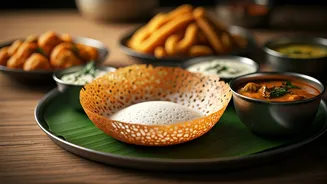
The dosa—a thin, fermented lentil-and-rice crêpe—was the perfect ambassador. It’s dramatic, shareable, and endlessly Instagrammable. But now, its culinary cousins are getting their turn. Enter the *appam*, a bowl-shaped pancake made from fermented rice batter. With its lacy, crispy edges and soft, spongy center, it’s the perfect vessel for scooping up fragrant stews like *ishtew*, a mild, coconut milk-based curry with vegetables or chicken. Then there are *idiyappam*, also known as string hoppers. These delicate nests of steamed rice flour noodles are a textural delight, often served with sweetened coconut milk for breakfast or savory curries for dinner. You’ll also find *kothu parotta*, a street-food masterpiece where flaky, layered flatbread is chopped up on a griddle with eggs, meat, or vegetables and a savory sauce. It’s a loud, messy, and utterly addictive dish that’s a world away from a quiet bowl of dal.
Why Now? The Drivers of a Delicious Trend
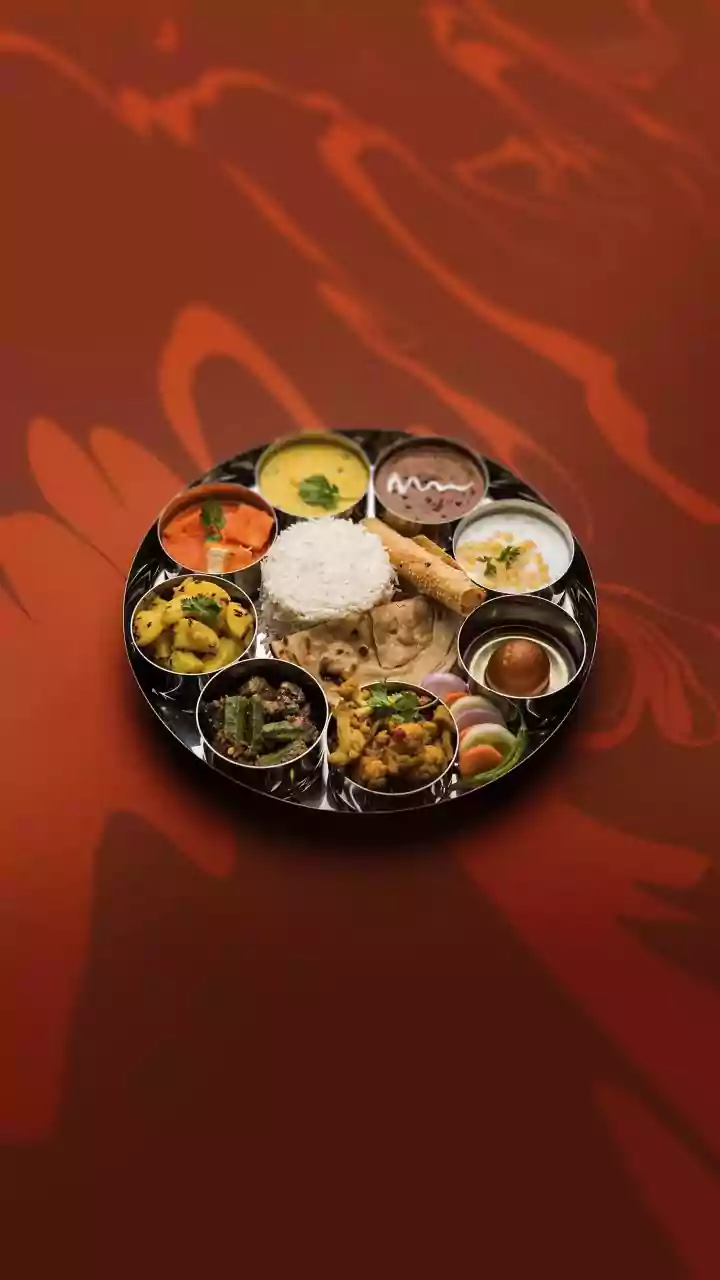
This shift isn't happening in a vacuum. A new generation of South Indian and Indian-American chefs are proudly championing the foods they grew up with, moving beyond the standard buffet fare to offer menus that are deeply personal and regionally specific. Restaurants like Semma in New York City, which earned a Michelin star for its unapologetically rustic Tamil cuisine, have proven that American diners are ready for more. Social media has also played a huge role. The visual appeal of a delicate appam or a vibrant thali (a platter with a variety of small dishes) is undeniable. TikTok and Instagram have become virtual tasting menus, introducing millions to dishes they’ve never seen before and creating a sense of FOMO (fear of missing out) that drives them to seek out these new experiences. This coincides with a broader evolution in the American palate—a growing desire for authenticity, regional specificity, and flavors that tell a story.
A Journey Through Flavor
To say “South Indian food” is itself a massive simplification. The cuisine is a mosaic of micro-regions. The coastal state of Kerala offers fragrant seafood curries, rich with coconut and black pepper. The cuisine of Chettinad in Tamil Nadu is famously aromatic and complex, known for its use of freshly ground spice blends called masalas. Andhra Pradesh, meanwhile, is renowned for its fiery dishes, where the liberal use of red chilies creates a powerful, lingering heat that’s not for the faint of heart. As restaurants become more confident in showcasing this diversity, diners are rewarded with a much richer understanding of India. Instead of just ordering “a curry,” they can now explore the peppery fish curry of the Malabar coast or the tangy, lentil-based *sambar* of Tamil Nadu. It’s a culinary education that happens one delicious bite at a time.