



The Legend of the Midnight Club
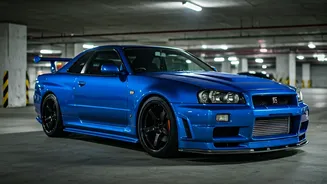
When Americans think of Japanese car culture, they often picture something straight out of *The Fast and the Furious: Tokyo Drift*. And they aren't entirely wrong. For years, the scene was defined by impromptu late-night meets at locations like the Daikoku
Futo and Tatsumi parking areas—sprawling concrete lots where owners of meticulously modified Nissan GT-Rs, Mazda RX-7s, and Honda NSXs would gather. Accessing this world required a rental car, a bit of luck, and navigating a complex, unwritten social code. It was an incredible spectacle, but one that was intimidating and often inaccessible to the average tourist who didn't know a local or speak the language.
The Game Changer: A World-Class Destination
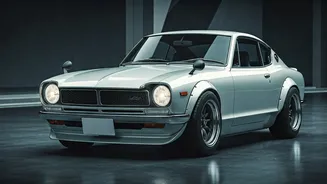
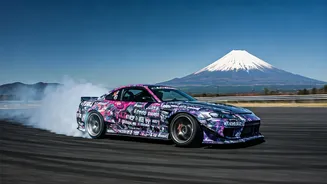
The single biggest shift in accessibility is the Fuji Motorsports Museum. Opened in late 2022, this isn't just a collection of cars; it's a breathtakingly curated story of 130 years of racing history, housed in a stunning facility at the foot of Mount Fuji. Operated by Toyota and part of the Hyatt's Unbound Collection, the museum is attached to the Fuji Speedway Hotel, making it a true destination. Visitors can see iconic Le Mans winners, legendary rally cars, and significant Japanese models all in one place, with descriptions in both Japanese and English. It’s a polished, official-feeling experience that acts as a perfect gateway. Instead of hoping to stumble upon a car meet, you can book a hotel room overlooking a famous racetrack and spend a day immersed in automotive history. It provides a foundational context for everything else you might see on the streets.
From Parking Lots to Guided Tours
Recognizing a surge in tourist interest, a new cottage industry of car-culture tour guides has emerged. Companies now offer structured, English-speaking tours that take the guesswork out of the equation. These tours often include a visit to a famous tuner shop like Liberty Walk—known for its wild, widebody supercars—followed by a trip to a car meet at Daikoku Futo. The guides handle the driving, the navigation, and, most importantly, the cultural translation. They can explain the etiquette of a car meet (no touching the cars, be respectful, ask before taking close-up photos) and introduce you to car owners, bridging the gap that once made these gatherings feel so impenetrable. This is perhaps the most direct way for a tourist to experience the living, breathing heart of the scene safely and respectfully.
Hit the Arcades and Shops
Even if you don't book a tour, the culture is more visible than ever. Themed cafes and merchandise shops are popping up, celebrating the country’s automotive heritage. In Tokyo’s Akihabara district, you can find legendary racing arcade games like *Wangan Midnight Maximum Tune*, allowing you to digitally race the same highways where the culture was born. Major automotive stores like Super Autobacs are multi-level wonderlands filled with every part, accessory, and piece of car-related memorabilia imaginable. They are destinations in themselves, offering a glimpse into the passion that fuels the entire scene without needing to stay up until 2 a.m. at a remote parking area.
Planning Your Petrolhead Pilgrimage
So, how do you put it all together? Start by anchoring your trip around the Fuji Motorsports Museum. Give yourself a night or two at the hotel to fully absorb the experience and maybe even catch an event at the adjacent Fuji Speedway. Then, book a guided car-culture tour for one of your nights in Tokyo. This combination gives you the best of both worlds: the polished, historical context and the raw, authentic street-level experience. For the rest of your trip, you can explore the shops in Akihabara or simply keep an eye out while walking around—you never know when a rare, modified classic will roll past. The key is that planning is now possible. What was once a quest based on rumor and luck is now a trip you can actually put in an itinerary.