




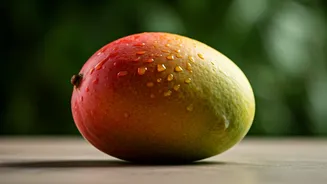


More Than Just a Fruit
To understand the significance of an Indian mango showing up in a U.S. supermarket, you first have to understand that it’s not just a piece of fruit. In India, the arrival of mango season is a cultural phenomenon, an annual obsession steeped in nostalgia
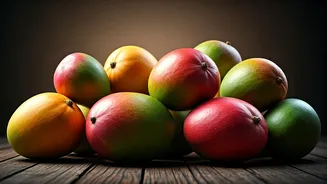
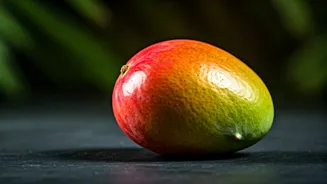
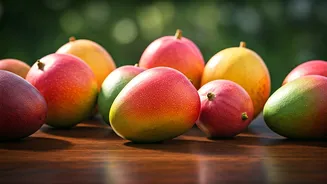
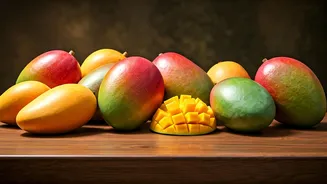
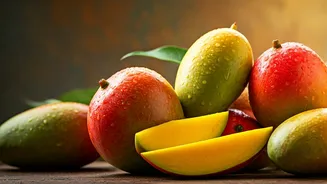
and ritual. From April to July, the country is swept up in a collective fervor for the 'King of Fruits.' Families gather for mango-cutting ceremonies, newspapers debate the merits of the Alphonso versus the Kesar, and the air in markets grows thick with a sweetness that signals the peak of summer. Each region boasts its own prized variety—the intensely fragrant Dasheri from the north, the fiberless Banganapalli from the south, the 'Queen of Mangoes' Kesar from Gujarat, and the legendary, almost mythic, Alphonso from Maharashtra. This fruit isn't just food; it's a shared memory, a marker of time, and a symbol of abundance and joy.
The Long Road to American Tables
For decades, experiencing this magic in the United States was nearly impossible. A ban implemented in 1989 to prevent the introduction of fruit flies and other pests kept fresh Indian mangoes out of American markets. While other mango varieties from Mexico and South America filled the shelves, they lacked the specific aromatic complexity and creamy texture that Indians and the diaspora longed for. The breakthrough came in 2007, when the U.S. approved a protocol allowing imports, provided the mangoes underwent irradiation. This process, which uses ionizing radiation to kill pests and bacteria without making the fruit radioactive, was the key that unlocked the market. What followed was a slow but steady trickle that has since become a significant stream. Getting a box of authentic Indian mangoes in the U.S. went from a near-impossible dream to a pricey but attainable luxury.
A Herculean Logistical Feat
The journey of a single Alphonso mango from a tree in Ratnagiri to a kitchen in New Jersey is a race against time. Mangoes are notoriously perishable, with a very short window of perfect ripeness. After being carefully harvested, they are transported to one of a few government-approved irradiation facilities. There, they undergo the treatment under the watchful eyes of U.S. inspectors, are packed into special boxes, and then rushed to airports for their transcontinental flight. This complex, costly process explains why a box of Indian mangoes can command a premium price, often selling for over $50. It’s a delicate dance of agriculture, technology, and global logistics, all to preserve a few days of perfect, sun-ripened flavor. Every fruit that arrives intact represents a small victory against spoilage and distance.
Exporting a Taste of Home
For the millions of people in the Indian diaspora, the availability of these mangoes is about more than just good food. It's a powerful emotional and cultural link to home. The scent of a ripe Kesar mango can transport someone back to their childhood, to a grandmother’s house, or to a bustling market in their hometown. It’s a taste that bridges continents. Indian grocery stores in the U.S. see a frenzy of activity during mango season, with customers placing pre-orders and buying entire cases to share with friends and family. This single fruit has become a potent vehicle for cultural connection, allowing a new generation of Indian Americans to experience a taste their parents grew up with and helping older generations feel a little closer to the country they left behind.