



More Than Just a Snack
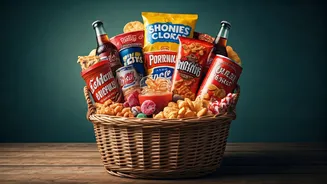
We’ve always had local culinary treasures. The Philly cheesesteak, the Chicago deep-dish, the New Orleans gumbo. But a new, more granular form of food loyalty is bubbling up, centered not on elaborate meals, but on the humble, everyday snack. It’s the Pennsylvanian
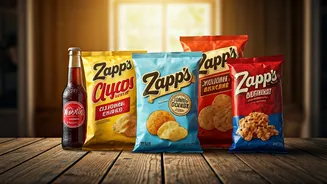
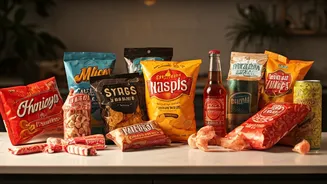
who insists Utz potato chips are structurally and morally superior to Lay’s. It’s the Michigander who will defend Faygo’s dozens of flavors to the last drop. Or consider the great Mayo War raging across the South, where loyalty to Duke’s Mayonnaise isn't just a preference; it’s a core tenet of your identity. These aren't just snacks; they are edible flags. They are proof of where you’re from, a shorthand for a shared experience that no outsider can fully appreciate. Waving a bag of Zapp's Voodoo Chips in Louisiana is like a secret handshake; it says 'I get it.'
The Social Media Amplifier
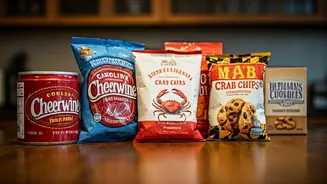
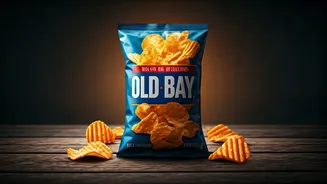
This phenomenon isn't new, but its scale is. Social media platforms, particularly image-forward ones like Instagram and TikTok, have turned these local skirmishes into national conversations. A person from Maryland posting a photo of crabs doused in Old Bay seasoning might seem normal to them, but to someone in Arizona, it’s an exotic cultural artifact. The algorithm does the rest. Suddenly, a college student from Ohio is on a mission to find Utz Crab Chips, not because they grew up with them, but because they saw a viral video about them. This digital exposure creates a fascinating dynamic: it simultaneously strengthens the pride of the locals ('See? Our snack is famous!') and transforms the snack into a bucket-list item for culinary tourists. It’s a feedback loop of pride and curiosity, turning a regional secret into a trending topic.
The Allure of Authenticity
In a world where you can get almost anything delivered to your door in two days, there’s a certain magic to the things you can’t have. Regional snacks represent a form of delicious scarcity. You can’t just walk into a 7-Eleven in California and find a box of Middleswarth BBQ Potato Chips. That unavailability makes them more desirable. It imbues them with a sense of place and authenticity that a global brand, by its very nature, can’t replicate. This isn't a knock on Doritos or Oreos, but their ubiquity is their defining feature. The appeal of a regional snack is its exclusivity. It’s a small rebellion against globalization, a reminder that some things are still tied to a specific patch of dirt, a local factory, and a community that has loved it for generations.
A Friendlier Form of Tribalism
At its heart, regional snack pride is a fun, low-stakes form of tribalism. In an era of deep political and cultural division, arguing about whether Cincinnati-style chili is an abomination or a work of art is a welcome relief. It’s a way to draw lines and declare allegiance without the toxicity. Defending Whataburger’s Spicy Ketchup against Heinz feels important in the moment, but everyone understands it’s a game. This is identity-building in its most harmless and flavorful form. It connects us to our neighbors and our personal history—that specific brand of ginger ale your grandma always had, the chips you only ate at the beach. It’s a celebration of the small, specific things that make a place, and its people, unique. It proves that sometimes, the most powerful community builder comes in a crinkly bag.