




The Science of the June Snip
Why is June such a pivotal month for pruning? It all comes down to energy. After a spring spent pushing out new leaves and stems, your plants are now at their peak photosynthetic power. With long days and strong sun, they are veritable sugar factories,
converting light into the energy needed for growth. When you prune a plant during this high-energy period, you’re not just removing a branch; you’re strategically redirecting that powerful flow of energy. Instead of continuing to support a leggy stem or a crowded interior, the plant channels its resources into new, more desirable growth. Cuts heal faster, the risk of disease is lower than in the damp, cool months, and the plant responds with vigorous, bushy growth. Think of it less as a haircut and more as a consultation with your plant’s CEO, making executive decisions to maximize productivity for the rest of the season.
Your June Pruning Hit List
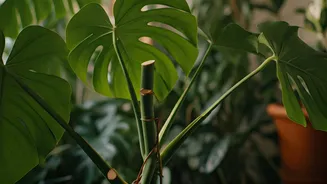
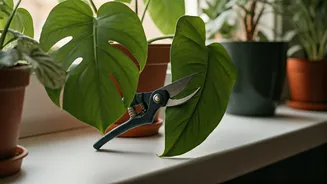
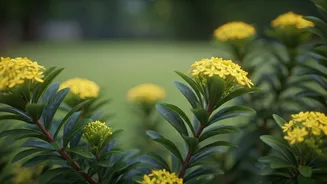
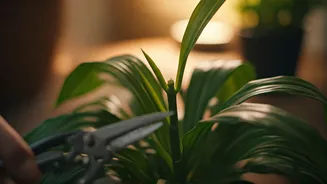
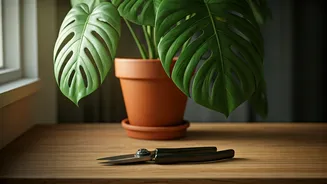
Not every plant wants a trim right now, but many are practically begging for it. Your primary targets are the plants that have just finished their big spring show. **Spring-Flowering Shrubs:** This is the big one. Shrubs like lilacs, forsythia, weigela, and rhododendrons form their flower buds for next year during the summer. If you prune them in the fall or winter, you’re cutting off all of next spring’s blooms. The ideal time to shape them, remove dead wood, and improve air circulation is within a few weeks of their last flowers fading. By pruning now, you give them the entire summer to recover and set buds for a spectacular show next year. **Overgrown Houseplants:** That Monstera deliciosa that’s taking over your living room? The fiddle-leaf fig that’s looking a little sparse at the bottom? June is the perfect time for a strategic trim. The strong, consistent light of early summer will fuel a burst of new leaves, helping fill in gaps and encouraging a fuller, more compact shape. You can also take cuttings from many of these plants to propagate new ones—a clear win-win. **Perennials and Herbs:** Many garden perennials, like salvia or catmint, can get floppy after their first flush of flowers. A good shearing—known as the “Chelsea Chop” in gardening circles—encourages a second, more compact wave of blooms later in the summer. Similarly, pinching back the tips of culinary herbs like basil and mint now will force them to grow into dense, bushy plants rather than tall, lanky ones, ensuring a steady supply for your kitchen.
The Do-Not-Prune Zone
Just as important as knowing what to cut is knowing what to leave alone. Put down the shears if you’re standing in front of your summer-flowering shrubs, like many varieties of hydrangea (especially 'bigleaf' types like Endless Summer), butterfly bush, or rose of Sharon. These plants bloom on “new wood,” meaning the growth they produce this season. Pruning them now would mean cutting off the very stems that are about to produce flowers. Their turn for a trim will come in late winter or early spring, before new growth begins. Also, avoid making major structural cuts on trees like maples, birches, and elms. While minor trimming is fine, these trees can “bleed” a significant amount of sap if large branches are removed in late spring or early summer. This doesn't typically harm the tree, but it’s messy and can be alarming. The best time for heavy pruning on these species is during their dormant season in the winter.
How to Make the Cut
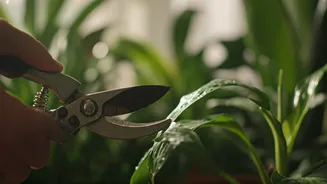
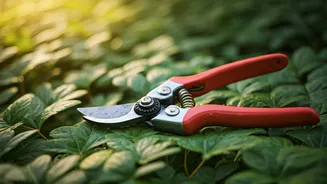
Good pruning technique is simple but crucial. First, always use clean, sharp tools. A sharp bypass pruner will make a clean cut that heals quickly, while a dull or rusty tool can crush stems and introduce disease. Before you start, wipe the blades with a cloth soaked in rubbing alcohol to sterilize them. When you make your cut, aim for about a quarter-inch above a leaf node (the little bump on the stem where a leaf grows) or a side branch. Cut at a 45-degree angle, slanting away from the bud. This prevents water from sitting on the cut surface. The goal is always to encourage the new growth you want, so think about which direction the bud is facing—that’s where the new branch will grow. Take a step back often to assess the plant’s overall shape and remember the golden rule: you can always cut more off, but you can’t put it back on.