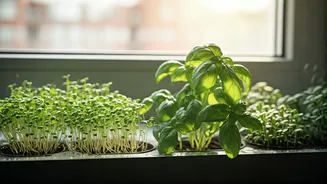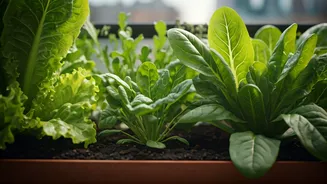



What Exactly Is Soilless Growing?
Forget everything you thought you knew about potting soil. Soilless growing, at its core, is a method of cultivating plants without the dirt. Instead of relying on soil to deliver water and nutrients, these systems use water fortified with a special nutrient solution.
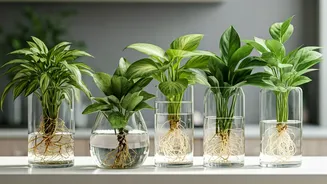
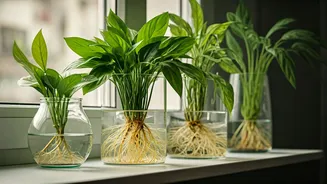
The roots either sit directly in this solution (hydroponics) or are nestled in an inert, non-organic medium that wicks the solution upwards (semi-hydroponics). This isn’t some far-off agricultural science reserved for vertical farms. It's becoming an increasingly popular technique for everyday houseplant enthusiasts. Think of it as deconstructing the plant-care process: you provide the structure (a vase or pot), the hydration (water), and the food (liquid nutrients), giving you complete control over your plant’s environment. The result is often healthier, faster-growing plants with far fewer variables to worry about.
The 'Urban Hack' Advantage
So why is this the ultimate “hack” for urbanites? The benefits are perfectly tailored to city living. First and foremost is cleanliness. With no soil, you eliminate spills on your white oak floors and dirt under your fingernails. More importantly, you eradicate soil-borne pests. Those infuriating fungus gnats that seem to materialize out of thin air? They breed in damp soil. No soil, no gnats. Second is the solution to the number-one plant-killer: improper watering. Soilless systems make it visually obvious when your plant needs a drink. In a semi-hydro setup, you simply refill the reservoir at the bottom of the pot. This prevents the dreaded cycle of drought and drowning that leads to root rot. For those in smaller apartments, it's also a space-saver. Sleek glass vases and minimalist pots take up less visual and physical space than bulky, traditional planters.
Two Popular Paths: LECA vs. Water
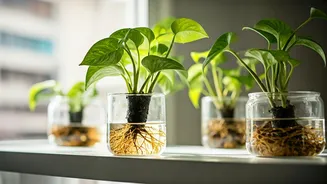
For home growers, two main soilless methods have emerged as front-runners. The first is straight water culture, the simplest entry point. This involves placing a plant cutting or a plant with cleaned roots directly into a vase of water with a few drops of hydroponic fertilizer. It’s a beautiful, minimalist way to display plants like pothos or monsteras. The more robust method is semi-hydroponics, most commonly using Lightweight Expanded Clay Aggregate (LECA). These are little, porous clay balls that don’t degrade over time. You place your plant’s roots in a pot filled with LECA, which sits in a container with a water reservoir at the bottom. The clay balls act like tiny straws, wicking the nutrient-rich water up to the roots as needed. This provides the perfect balance of moisture and oxygen, creating an ideal environment for strong root development.
Is It Difficult to Get Started?
The idea of transitioning a plant from soil to a soilless system can sound intimidating, but it’s more straightforward than you’d think. The most crucial step is thoroughly cleaning the soil from the plant's roots. You want to gently wash away every last bit of dirt to prevent rot in the new environment. This initial “root cleaning” is a one-time task. From there, the necessary supplies are simple: a vessel (a glass jar or a self-watering pot), your chosen medium (like LECA, if using), and a hydroponic nutrient solution. These are readily available online or at specialty garden stores. While there’s a small learning curve in mixing nutrients, most brands offer simple instructions. Many find the weekly ritual of checking reservoirs and adding a few drops of fertilizer far easier than guessing when a soil-based plant is thirsty.
Best Plants for Your Soilless Start
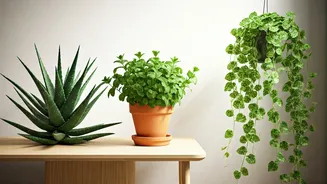
While many plants can be converted, some are practically begging to be liberated from soil. Aroids are the champions of the soilless world. This family includes wildly popular and easy-to-care-for houseplants like Pothos, Philodendrons, Monstera, and Zamioculcas Zamiifolia (the ZZ plant). Their robust root systems adapt quickly and thrive in water-based environments. Other great candidates include Snake Plants, Spider Plants, and many varieties of orchids, which are often sold in a soilless mix of bark to begin with. Starting with one of these forgiving species is a fantastic way to build your confidence and see the benefits for yourself.