






What 'Premiumisation' Actually Means
Let’s get one thing straight: this isn’t just about the super-rich buying luxury goods. ‘Premiumisation’ is a much broader, more democratic trend. It’s the mass movement of consumers choosing to pay a little more for a product that offers a perceived
upgrade in quality, health, experience, or ethics. It’s the difference between buying a generic, unbranded block of butter and seeking out a specific brand of cultured, grass-fed butter. It’s choosing packaged oats with added protein over the basic kind, or picking a dark chocolate bar that lists its cocoa percentage and origin story. In essence, millions of Indian households are moving up the value chain. They are shifting from buying loose, unbranded commodities to preferring packaged, branded, and often specialized versions of the same items. This isn't about extravagance; it's about aspiration and a new definition of value, where factors like ingredient transparency, health benefits, and even brand storytelling start to matter as much as the price tag.
The Engine: A Young, Connected Middle Class
So, what’s fueling this nationwide upgrade? The answer lies in India’s powerful demographic and economic shifts. The country now has the world’s largest population, with a median age under 30 and a rapidly expanding middle class with more disposable income than ever before. This generation didn’t grow up with the scarcity mindset of their parents or grandparents. They are digitally savvy, globally aware, and constantly exposed to international trends via social media. This exposure creates new desires. When they see a wellness influencer on Instagram talking about the benefits of cold-pressed juice or a food blogger reviewing a local craft beer, it plants a seed. Combined with the explosion of e-commerce and lightning-fast digital payment systems like UPI (Unified Payments Interface), it’s never been easier to discover and purchase these premium products. A small-batch coffee roaster from a city hundreds of miles away can now sell directly to a customer’s phone in minutes.
Health, Wellness, and the Trust Factor
The COVID-19 pandemic acted as a massive accelerant for a trend that was already bubbling. The focus on health and immunity became paramount. Suddenly, consumers weren't just reading labels for calories; they were actively seeking out products with claims like 'natural,' 'organic,' 'preservative-free,' and 'immunity-boosting.' They became willing to spend more on foods they believed were safer and better for their family’s well-being. This created a golden opportunity for a new wave of direct-to-consumer (D2C) brands. These nimble startups built their entire identity around trust and transparency. They told the story of their sourcing, their chemical-free processes, and their founders' passion. By bypassing traditional retail, they built a direct relationship with customers, fostering a sense of community and loyalty that legacy brands often struggled to match. This focus on clean labels and trustworthy narratives is now a non-negotiable part of the premium food landscape.
What It Looks Like in the Shopping Cart
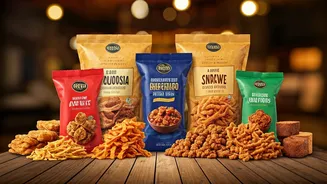
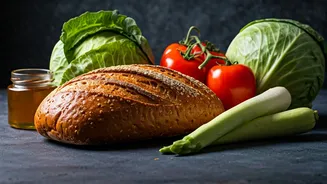
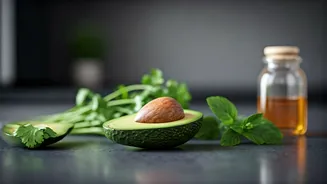
The evidence of premiumisation is all over the Indian kitchen. Generic instant coffee is being replaced by specialty blends and single-origin beans from local estates. Mass-produced processed cheese is making way for locally made mozzarella, feta, and gouda. The cooking oil aisle now features extra virgin olive oil, avocado oil, and cold-pressed mustard oil alongside the standard sunflower oil. Snacking has been completely transformed. Instead of simple fried snacks, the market is flooded with high-protein bars, baked lentil chips, quinoa puffs, and roasted seeds. Even staples aren’t safe from the upgrade. Consumers are choosing fortified milk, multi-grain bread, and organic eggs. This isn’t a niche phenomenon confined to a few wealthy neighborhoods in Mumbai or Delhi; it’s a widespread recalibration of what constitutes ‘good food’ for a massive, aspiring consumer base.