







The Splashback Contamination Problem
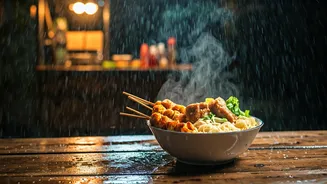
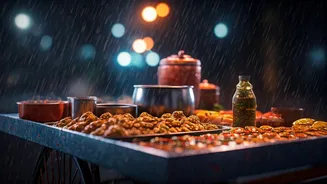
The most immediate and visible risk during a rainstorm is splashback. Pavement in a busy urban area is coated with a cocktail of contaminants: dirt, vehicle fluids, animal waste, and countless unseen bacteria. When heavy rain hits the ground, it aerosolizes
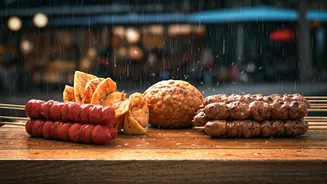
these particles and splashes dirty water several feet into theair. A food cart, with its low-to-the-ground setup, is in the direct line of fire. Droplets of contaminated water can easily land on food preparation surfaces, cooking utensils, uncovered ingredients, and even finished food waiting to be served. Think about it: the same water bouncing off a grimy sidewalk could end up on the lettuce for your hot dog. A vendor who is meticulous on a sunny day can be overwhelmed by this environmental assault, making cross-contamination from the street itself a serious concern.
Compromised Water and Soggy Supplies
Every licensed food vendor is required to have a source of potable (safe for drinking) water for handwashing and cleaning. During a deluge, this system can be compromised. A vendor might run out of their clean water supply faster than anticipated and be tempted to use collected rainwater for rinsing, which is not safe. Furthermore, the rain itself can be a problem. Cardboard boxes holding fresh buns or paper wrappers can become soggy and disintegrate, exposing food to the elements and potential pathogens. Moisture also encourages the growth of mold and bacteria. If ingredients aren't stored in watertight, food-safe containers, a storm can turn perfectly good supplies into a food safety hazard in a matter of minutes.
The Temperature Danger Zone
Food safety professionals constantly talk about the “temperature danger zone”—the range between 40°F and 140°F where bacteria like Salmonella and E. coli can multiply rapidly. Rainy, humid weather makes maintaining safe temperatures incredibly challenging for an outdoor vendor. Cold tables and coolers struggle to keep ingredients like cut tomatoes, cheese, and meats below the 40°F threshold when the surrounding air is damp and warm. Conversely, keeping hot foods consistently above 140°F is also difficult. A vendor might lower the heat on a grill or steam table to conserve fuel, especially if business slows in the rain, allowing food to drift into the danger zone. That tray of pre-cooked chicken or carnitas might look fine, but if it has been sitting at a lukewarm 90°F for an hour, it could be a breeding ground for bacteria.
How to Be a Smart Street Food Customer
This doesn't mean you have to swear off street food forever when it drizzles. It just means you need to be a more observant customer. Before you order, do a quick visual check. Is the cart well-covered by a large umbrella or awning that protects the entire food prep area from rain? Are the ingredients stored in closed, waterproof containers, or are they sitting out in the open? Pay attention to the vendor’s practices. Are they using tongs and gloves? Do they have a separate, designated handwashing station? Look at the cart's overall condition. A well-maintained cart with clear, visible permits is often a sign of a professional operator who takes food safety seriously, rain or shine. If the setup looks chaotic, sloppy, or exposed to the elements, it’s best to walk away and find a snack somewhere else.