




The Probiotic Price Problem
Let’s be honest: the boom in gut health has been a boon for grocery stores but a burden on our bank accounts. The global probiotic market is a multi-billion-dollar industry, built on the promise of balancing our internal microbiome with fermented, bacteria-rich
products. We’ve embraced kombucha, fallen for kefir, and even dabbled in kimchi-flavored everything. While the benefits of a healthy gut are well-documented—influencing everything from digestion to mood—the commercialization of this ancient wisdom has made it feel like a luxury. Many popular brands are expensive, sometimes contain hidden sugars, and can be an acquired taste. This has left many people wondering if there’s a simpler, more accessible way to get their daily dose of beneficial bacteria.
An Ancient Answer from South Asia
Enter the “Desi twist.” In kitchens across India and the broader South Asian subcontinent, fermented drinks have never been a trend; they’re a staple. For generations, these beverages have been a part of daily meals, celebrated for their cooling properties, digestive aid, and delicious taste. These drinks aren't formulated in a lab—they're the product of simple, natural fermentation using everyday ingredients like yogurt, vegetables, and spices. Now, as Americans search for more authentic and affordable wellness solutions, these traditional Desi drinks are finding a new audience, moving from the family dinner table to the forefront of the budget-conscious health movement.
Meet the Original Gut-Health Heroes
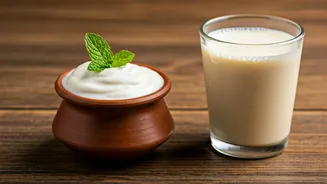
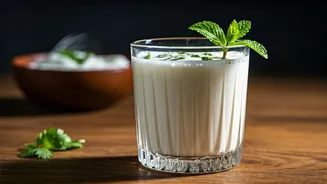
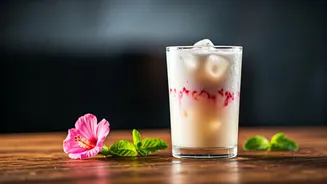
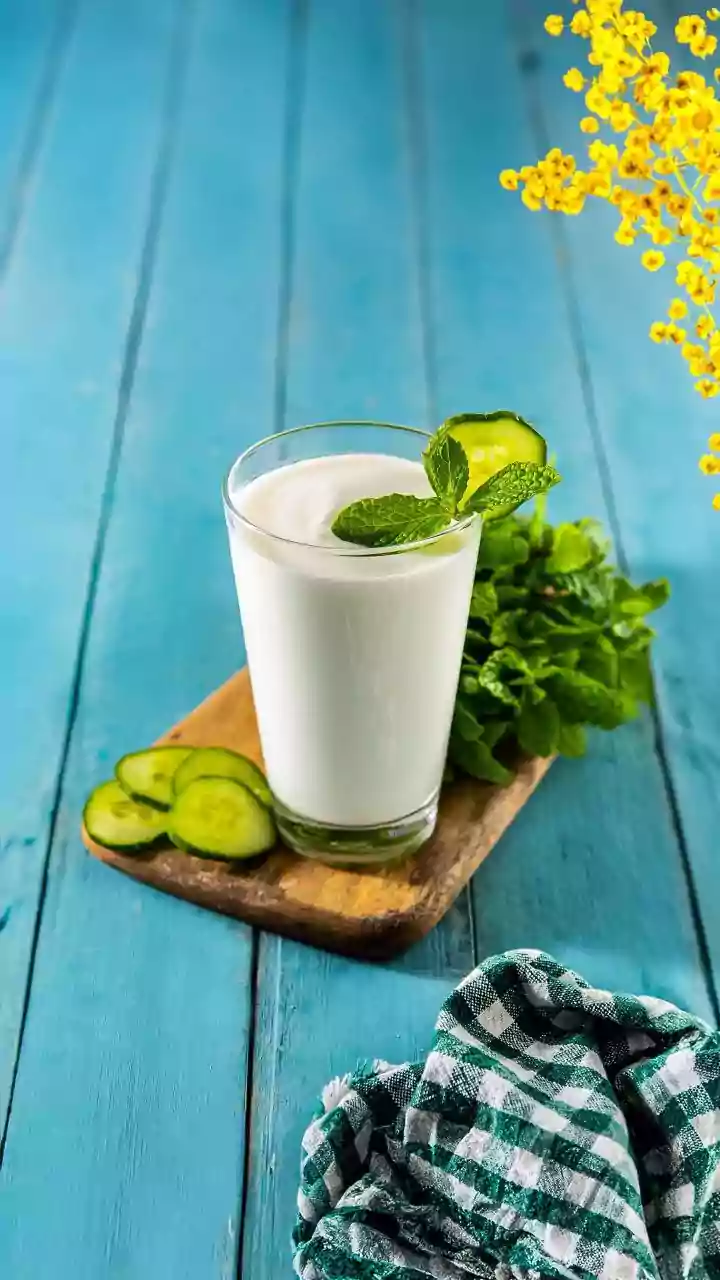
If you’re new to this world, a few key players stand out. The most famous is probably *Lassi*, a creamy, yogurt-based drink that can be sweet (with fruit and sugar) or savory (with salt and spices like cumin). Its lighter, more fluid cousin is *Chaas* (or Chaach), a spiced buttermilk that’s incredibly refreshing and a staple for aiding digestion after a heavy meal. It’s thin, savory, and often flavored with mint, cilantro, ginger, and black salt. Then there's *Kanji*, a pungent, tangy, and deeply colored fermented beverage made from black carrots or beets, water, and mustard seeds. It has a flavor profile that might remind kombucha lovers of their favorite brew, but with a uniquely earthy and spicy kick. All are born from fermentation, which naturally creates the live cultures we now call probiotics.
The Ultimate Budget-Friendly Wellness Hack
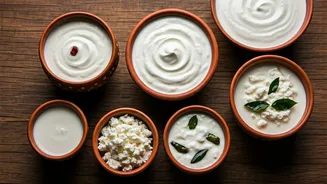
Here's the best part: these drinks demolish the price barrier. A single bottle of store-bought kombucha can cost between $4 and $6. For the same price, you can buy a large container of plain yogurt and make a week’s worth of lassi or chaas at home. The process is astonishingly simple. For a basic savory lassi or chaas, you just need to blend yogurt, water, salt, and spices. That’s it. You control the ingredients, the salt and sugar levels, and the flavor. Kanji is similarly inexpensive, relying on just a few carrots or beets and spices. This DIY approach not only saves money but also connects you more deeply to what you’re consuming, turning wellness from a passive purchase into an active, rewarding practice.
More Than Just a Drink
Embracing these Desi drinks is about more than just finding a cheap kombucha substitute. It’s about tapping into a holistic and time-tested approach to health. In Ayurveda, the traditional Indian system of medicine, drinks like chaas are revered for their ability to cool the body and stoke the “digestive fire.” They are consumed with intention—to balance a meal, to rehydrate on a hot day, to settle the stomach. By exploring these beverages, you’re not just trying a new flavor; you’re participating in a cultural tradition that has long understood that good health is intrinsically linked to simple, natural, and enjoyable food.