






A Rebellion Against Complication
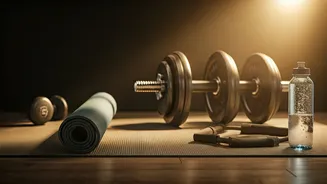
For years, the fitness industry sold a single story: harder, faster, more. Workouts were wars to be won, bodies were projects to be optimized, and rest was a weakness. This culture gave us everything from grueling CrossFit WODs to electro-stimulation
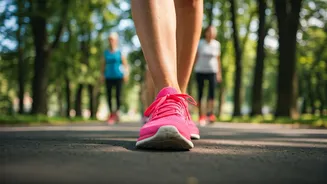
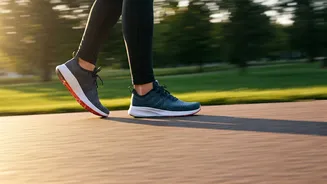
suits and thousand-dollar stationary bikes that felt more like obligations than opportunities. But a quiet rebellion has been brewing. Americans are tired—of the expense, the intimidation, and the pressure to perform. Walking has emerged as the perfect antidote. It’s a return to basics, a rejection of the idea that wellness has to be punishing to be effective. Instead of 'no pain, no gain,' the new mantra is about sustainability, mental clarity, and gentle consistency. Walking isn't about crushing a workout; it's about integrating movement seamlessly into your life.
The Science of Simplicity
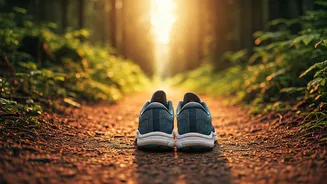
While it may feel less intense, the scientific case for walking is ironclad. As a low-impact activity, it’s accessible to people of all fitness levels and ages, reducing the risk of the injuries that often sideline people in high-intensity sports. Regular brisk walking is proven to improve cardiovascular health, help regulate blood sugar, lower blood pressure, and strengthen bones. But its real superpower might be its effect on the mind. Studies have shown that walking, especially in nature, can reduce rumination and symptoms of depression. It boosts blood flow to the brain, enhancing creativity and problem-solving skills—a phenomenon known to thinkers from Aristotle to Steve Jobs. Unlike a stressful, cortisol-spiking workout, a walk can actively decrease stress hormones, providing a moment of meditative calm in a hectic day. It’s a workout for your body and a vacation for your brain.
The 'Hot Girl Walk' Effect
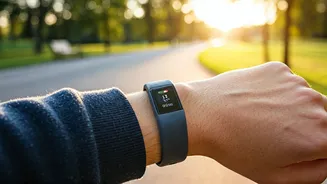
Culture has cemented walking’s comeback tour. What was once seen as a leisurely activity for retirees has been completely rebranded, thanks in large part to social media. The 'Hot Girl Walk,' a trend that exploded on TikTok, reframed walking as an act of self-care and empowerment. It’s not just about the steps; it’s about putting in headphones, listening to an inspiring podcast or a curated playlist, and focusing on your goals and gratitude. This cultural shift was accelerated by the pandemic. When gyms closed, people took to the streets, rediscovering their own neighborhoods. The rise of remote work also played a role, popularizing under-desk 'walking pads' that allow people to log miles while answering emails. Walking became a social outlet, a mental escape, and a reliable form of exercise when all other options were off the table—and the habit stuck.
How to Upgrade Your Walk
The beauty of walking is its simplicity, but if you want to dial up the benefits, there are easy ways to do so without losing its accessible spirit. Focus on your pace to turn a stroll into a true cardio workout; aim for a speed where you can still talk but not sing. This moderate intensity, often called 'Zone 2' cardio, is fantastic for building endurance. Incorporate hills or find a staircase to climb to engage your glutes and hamstrings. Consider using Nordic walking poles, which engage the upper body and can increase calorie burn by up to 40%. You can also 'stack' your habits: use your walk to catch up with a friend, listen to an audiobook, or practice mindfulness by paying attention to your surroundings—a practice known as an 'awe walk.' The goal isn't to make walking complicated, but to make it work even better for you.