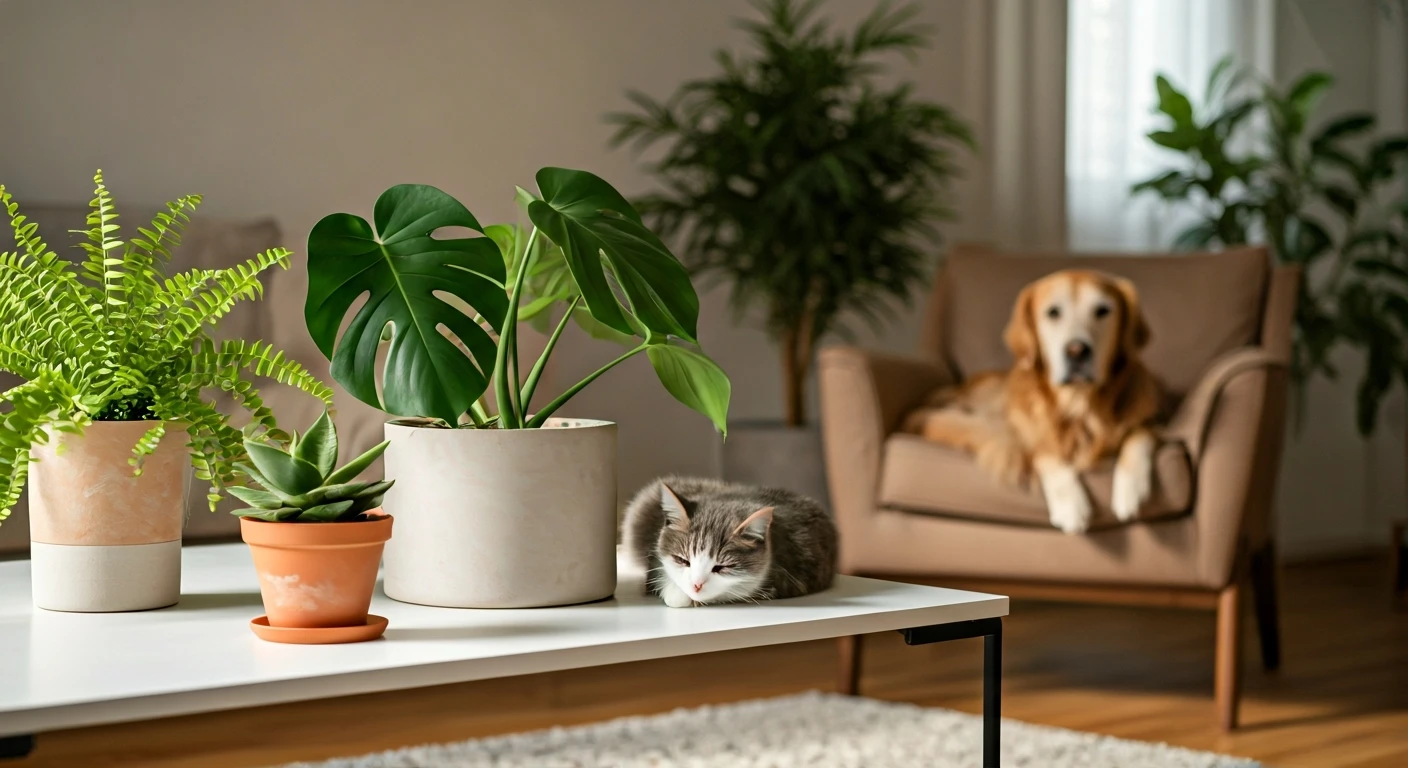



The Hidden Danger in Your Decor
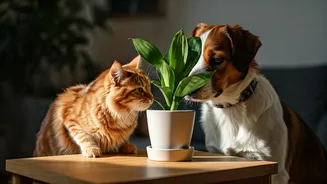
The conflict between a stylish, plant-filled home and a curious pet is a real one. While most pets won't instinctively chew on houseplants, boredom or curiosity can lead to a dangerous nibble. The problem is that many of our favorite, most common indoor
plants contain toxins that can harm cats and dogs. The effects range from mild irritation to severe, life-threatening illness. The most frequent culprits are plants containing insoluble calcium oxalate crystals. When a pet chews on these leaves, the sharp, needle-like crystals embed in their mouth and throat, causing immediate pain, swelling, drooling, and vomiting. Other plants contain more dangerous compounds that can affect a pet’s heart, kidneys, or nervous system. Understanding which plants pose a threat is the first step toward creating a home that’s safe for everyone.
Watch Out for These Beauties
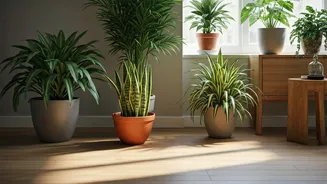
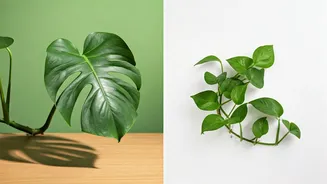
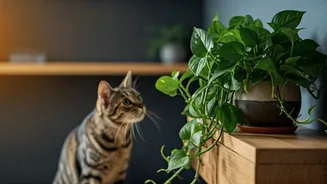
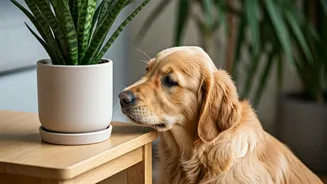
Many of the most popular and Instagram-worthy plants are unfortunately on the no-go list for homes with curious pets. Being aware of the most common offenders can prevent a frantic trip to the emergency vet. • **Lilies:** While beautiful, all members of the true lily family (including Easter, Stargazer, and Tiger lilies) are extremely toxic to cats. Ingesting even a tiny amount of the plant, or even pollen licked from their fur, can cause acute kidney failure and death. • **Sago Palm:** This trendy, sculptural plant looks like a mini palm tree but is actually a cycad. Every part of it is highly poisonous to both cats and dogs, with the seeds being the most toxic part. Ingestion can lead to severe vomiting, liver failure, and is often fatal. • **Pothos & Philodendron:** These ubiquitous, easy-to-care-for trailing plants are in millions of homes. They contain those calcium oxalate crystals that cause intense oral irritation, burning, and swelling of the mouth and throat. While rarely fatal, they can cause significant discomfort and distress. • **Snake Plant (Sansevieria):** Known for being nearly indestructible, the snake plant is another common sight. It contains saponins, which can cause nausea, vomiting, and diarrhea if ingested by pets. The toxicity is generally considered mild, but it's best to keep it out of reach.
Know the Warning Signs
If you suspect your pet has chewed on a plant, knowing the signs of poisoning is critical for getting them help quickly. While symptoms vary depending on the plant and the amount ingested, there are several common red flags to watch for. Immediate signs often include excessive drooling, pawing at the face or mouth, and visible swelling of the lips or tongue. You might also notice vomiting or diarrhea as their body tries to expel the toxin. More severe symptoms can include lethargy, weakness, a lack of appetite, difficulty breathing, or changes in heart rate. If you witness your pet eating a plant or notice any of these signs, don't wait. Contact your veterinarian or an animal poison control center immediately. If possible, take a photo or a piece of the plant with you for proper identification.
Gorgeous Greenery That's Pet-Friendly
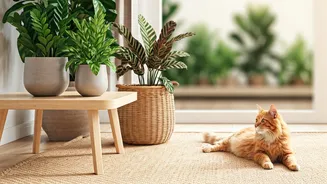
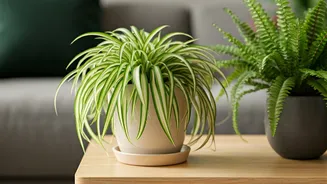
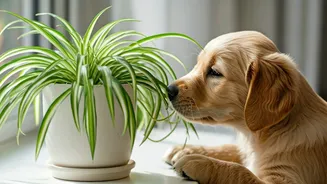
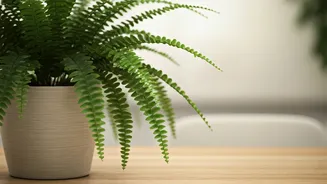
The good news is you don’t have to choose between your pet and your passion for plants. There is a vast and beautiful world of non-toxic options that can give you that lush, green aesthetic without the worry. • **Spider Plant:** This classic, easy-to-grow plant is completely safe for cats and dogs. Its cascading baby spiderettes make it perfect for a hanging basket. • **Calathea Varieties:** Also known as Prayer Plants or Rattlesnake Plants, this family of plants features stunning, intricate leaf patterns in shades of green, pink, and purple. They are non-toxic and add a major design punch. • **Boston Fern:** For a classic, feathery look, the Boston Fern is a perfect choice. It’s a lush, full plant that is completely safe for all pets. • **Parlor Palm:** If you want the tropical vibe of a palm tree without the danger of the Sago Palm, the Parlor Palm is an excellent, pet-safe alternative. It’s relatively low-maintenance and thrives in indoor conditions.
How to Pet-Proof Your Plant Collection
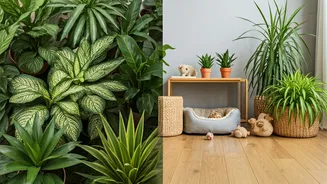
Beyond choosing safe plants, you can take other steps to create a harmonious home. For any mildly toxic plants you can't part with, placement is everything. Use high shelves, hanging planters, or dedicated plant rooms with closed doors to keep them well out of reach of even the most acrobatic cat or dog. You can also make plants less appealing. Some owners have success placing citrus peels on the soil or using a pet-safe bitter-tasting spray on the leaves. Finally, address the root of the behavior. If a pet is chewing on plants out of boredom, provide more engaging toys and enrichment. For cats who crave greens, offer them their own personal pot of cat grass or catnip to chew on instead.