


Why Your Perfect Plan Won't Work
Imagine this: you’ve spent months crafting the perfect two-week itinerary through Southeast Asia’s coastal wonders. Day one, a flight. Day four, a scenic train. Day seven, a ferry to a remote island. But the monsoon has other ideas. That ferry is canceled
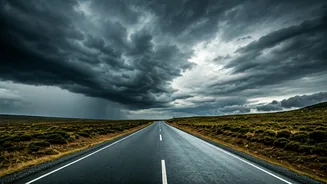
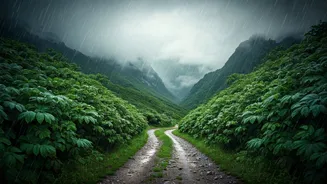
due to high seas, the train line is blocked by a minor landslide, and the road to your next town is temporarily flooded. Suddenly, your meticulously scheduled trip is in tatters. This is the core reality of traveling during a region’s rainy season, whether you’re in coastal India, mountainous Vietnam, or the desert Southwest of the U.S. during its summer monsoon. Water is powerful. It reshapes landscapes and, more importantly for travelers, it reshapes infrastructure. Roads that are perfectly reliable for ten months of the year can become impassable for a few hours or even days. Ferry services, small regional airports, and mountain trails are often the first to shut down when the weather turns. A rigid, pre-paid, back-to-back schedule doesn't just add stress in this environment; it sets you up for failure.
The Art of the 'Plan B' Mindset
The secret to not just surviving but thriving in these conditions is psychological. You must replace the pursuit of a perfect plan with the embrace of a perfect mindset. Your new goal isn't to tick off a checklist of sights; it's to have a great experience, wherever the day takes you. This means seeing a canceled ferry not as a disaster, but as an opportunity to explore the port town you were just passing through. A washed-out road isn't a dead end; it’s a reason to spend another day enjoying the place you're already in, getting to know it beyond a superficial one-night stay. Adopting this flexibility transforms your trip from a series of logistical hurdles into a genuine adventure. It forces you to slow down, engage with your immediate surroundings, and often leads to the kind of spontaneous, unexpected discoveries that become the best stories of your trip. The most seasoned monsoon travelers know that their best-laid plans are merely suggestions—a starting point from which the real journey will deviate.
How to Build Flexibility Into Your Trip
Thinking flexibly is one thing, but planning for it is another. The key is to resist the urge to lock everything down. Instead of booking every single night’s accommodation in advance, perhaps book just the first two nights in each new city, leaving you free to leave early or stay longer. When it comes to transport, favor ground options where possible and learn the schedules for multiple companies. If you're planning a major leg of a journey—like a cross-country train or a critical flight—build in a buffer day before and after. Don’t overschedule your days. A plan that says “Morning: Temple A, Afternoon: Museum B, Evening: Show C” is brittle. A better plan is “Explore the Old Quarter” or “See what the riverside has to offer.” This allows you to linger where you’re interested and bypass what isn’t, all while giving you the slack to deal with a sudden downpour by ducking into a café for two hours without feeling like your schedule is ruined.
The Unexpected Rewards of Going with the Flow
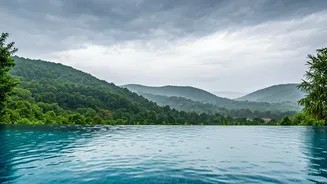
The practical benefits of this approach are immense. But the real magic lies in the rewards that only come from letting go of control. Monsoon season is often the off-season or “green season,” meaning fewer crowds and lower prices. Your flexibility might allow you to negotiate a better rate for a longer stay or discover a guesthouse you would have never found online. More importantly, you’ll experience a place in a way fair-weather tourists never can. You’ll see landscapes at their most vibrant and dramatic. You’ll share moments of camaraderie with locals who are also waiting for the rain to pass or a road to reopen. That unplanned day in a small town might lead you to a local market, a hidden festival, or a conversation with a shopkeeper that becomes the highlight of your travels. These are the moments that don’t fit on a schedule—the very moments that a flexible itinerary is designed to catch.