



1. The Power of Fermentation
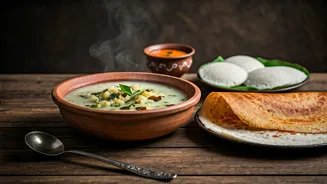
Long before kombucha lined grocery store shelves, Indian kitchens mastered the art of fermentation. The process isn't just for preservation; it's a flavor-builder and a natural way to introduce beneficial bacteria into your diet. Think of the soft, spongy
idli (steamed rice cakes) and the crispy, savory dosa (crepes), both made from a batter of fermented rice and lentils. This fermentation process not only makes the nutrients in the grains more accessible but also cultivates probiotics that support a healthy gut microbiome. It’s a delicious, age-old practice that turns simple ingredients into a digestive-friendly meal.
2. The Home Spice Pharmacy
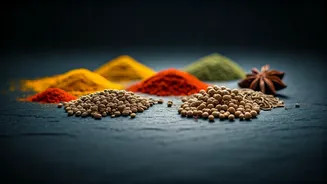
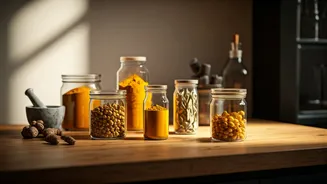
An Indian spice box isn’t just for flavor; it’s a toolkit for well-being. Spices like turmeric, ginger, cumin, coriander, and fenugreek are used daily, not as exotic additions, but as foundational elements. Turmeric, with its active compound curcumin, is celebrated for its anti-inflammatory properties. Ginger is a classic remedy for nausea and indigestion. Cumin seeds are often chewed after meals or steeped in hot water to aid digestion. These spices are used in careful combination, creating a synergistic effect that supports digestive health. It's not about megadosing a single 'superfood,' but incorporating a variety of beneficial spices into everyday cooking.
3. The Art of the 'Tadka'
One of the signature techniques in Indian cooking is the 'tadka' (or chhonk), where whole or ground spices are bloomed in hot ghee or oil before being added to a dish. This isn’t just for show; it’s a brilliant chemical reaction. Heating spices in fat helps release their aromatic compounds and makes their health-promoting properties, like the curcumin in turmeric, more bioavailable. This means your body can absorb and utilize them more effectively. A simple tadka of mustard seeds, cumin, and asafoetida (hing)—a pungent resin known to combat bloating—can transform a simple lentil soup into a fragrant, easily digestible powerhouse.
4. The Centrality of Lentils and Legumes
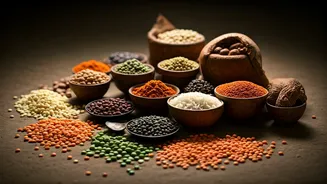
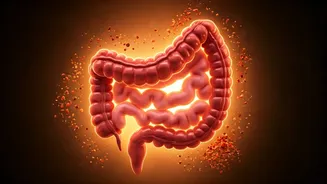
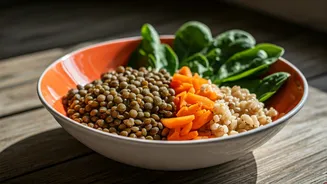
At the heart of most regional Indian cuisines is dal, a humble but mighty dish made from lentils, beans, or peas. Served with rice or flatbread, it forms a complete protein and delivers a massive dose of dietary fiber. This fiber is crucial for gut health, acting as a prebiotic that feeds the beneficial bacteria in your digestive tract. A diet rich in diverse, fiber-filled legumes helps promote regular bowel movements and contributes to a thriving internal ecosystem. From creamy dal makhani to a simple yellow lentil dal, this staple ensures that gut-friendly fiber is a daily habit, not an afterthought.
5. The Cool Comfort of Yogurt
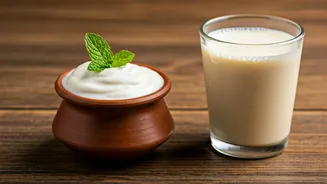
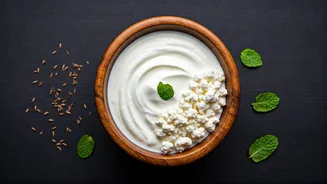
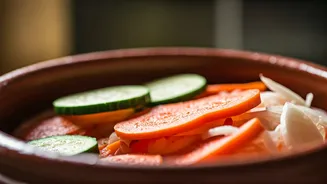
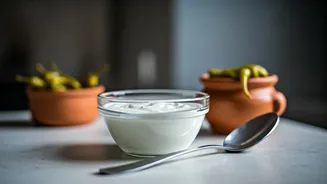
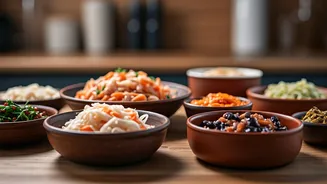
Homemade yogurt, or dahi, is a non-negotiable part of many Indian meals. It’s served on the side to cool the palate, blended into drinks like lassi, or used to create a cooling raita (a yogurt-based dip with vegetables and spices). Dahi is a natural source of probiotics, the live microorganisms that are essential for maintaining a healthy gut. Unlike many sweetened commercial yogurts in the U.S., traditional Indian dahi is typically plain and consumed fresh. Its role as a constant companion to spicy and rich foods isn’t just for taste—it’s a built-in digestive aid, providing a soothing, probiotic-rich balance to every meal.