
Breaking Up with the Buffet
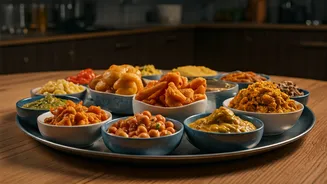
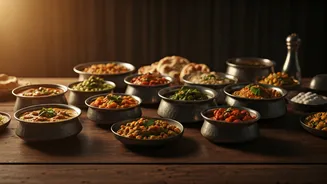
Let’s be honest about the image of Indian food many Americans grew up with. It was often relegated to the all-you-can-eat lunch buffet, a steam-table landscape of chicken tikka masala, saag paneer, and mountains of naan. These dishes, while delicious,
represent a tiny, often British-inflected, slice of North Indian cooking. For restaurateurs trying to gain a foothold in a new country, this standardized menu was a survival tactic—a familiar, low-risk entry point for a cautious American palate. It was comforting, dependable, and for a long time, it was the only story being told. But it also created a culinary box, painting the cuisine of a subcontinent with a billion people and dozens of distinct food cultures with a single, butter-chicken-colored brush.
What 'Smarter' Really Means
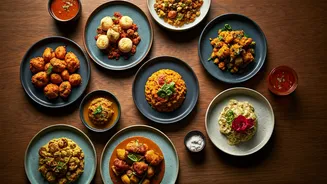
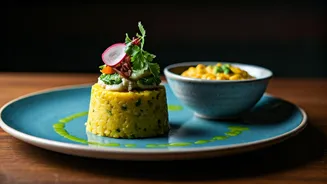
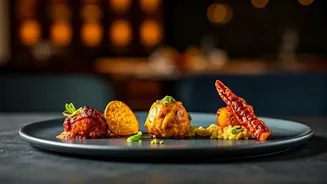
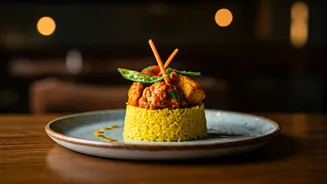
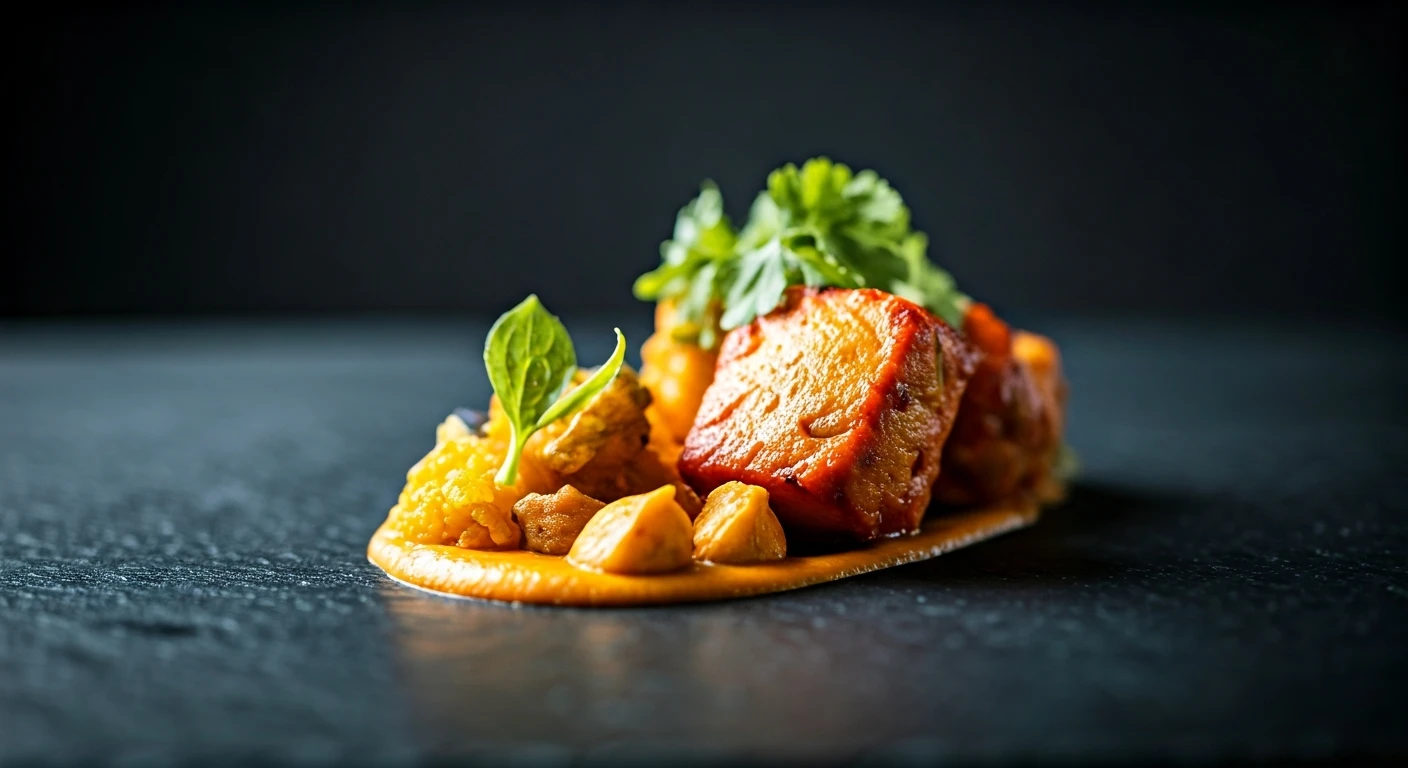
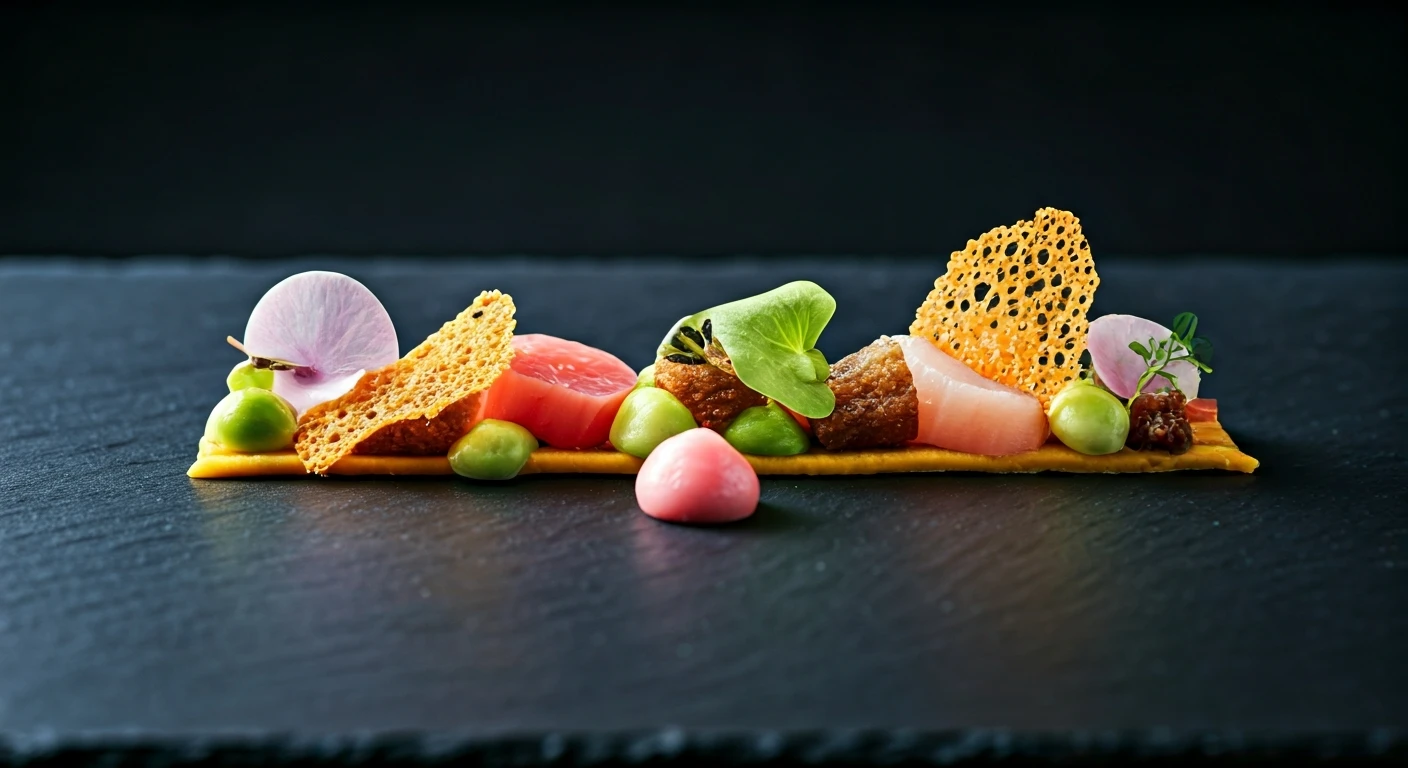
When we say Indian food is getting “smarter,” it’s not about calorie-counting or stripping away flavor. It’s about intelligence in approach. First, it’s about regionality. Chefs are now proudly serving the food of their specific hometowns, whether it’s the coastal seafood curries of Goa, the fiery Chettinad dishes of Tamil Nadu, or the delicate, mustard-forward flavors of Bengal. Second, it’s about technique. This new generation isn't afraid to apply modern culinary methods—a sous-vide lamb shank, a foam, a deconstructed classic—to traditional flavor profiles, creating dishes that feel both innovative and deeply rooted. Finally, it’s about ingredients. Instead of relying solely on imported spices and canned purees, chefs are connecting with local U.S. farms, using seasonal produce to reinterpret dishes in a way that’s both fresh and place-specific. It’s Indian food that is in dialogue with its American surroundings.
Lighter, Brighter, Bolder
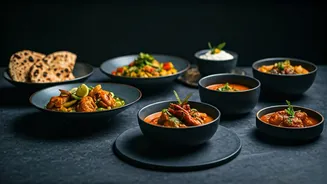
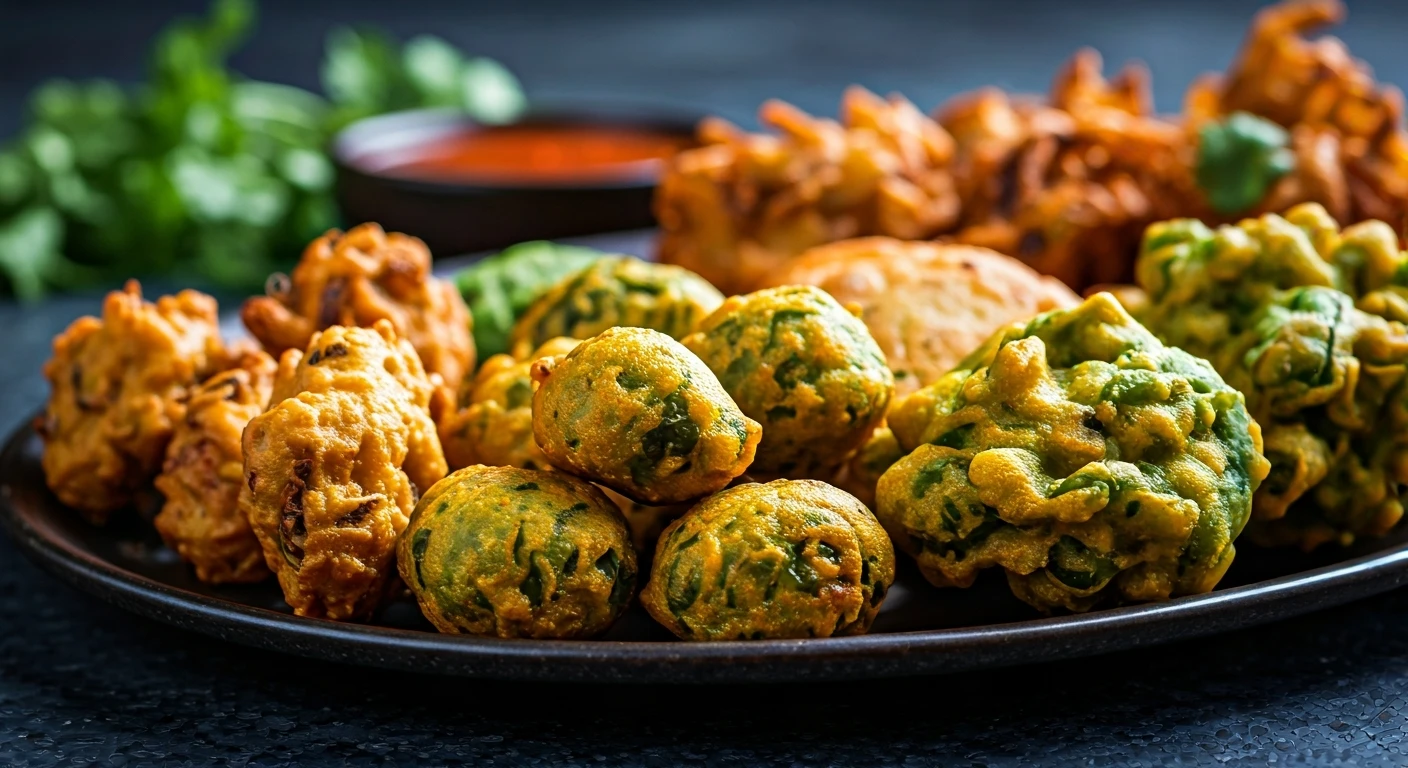
The result of this smarter approach is a dining experience that feels fundamentally different. The stereotype of heavy, cream-laden sauces is giving way to dishes that showcase clarity and complexity. You’ll find gravies thickened with nut pastes, yogurt, or pureed vegetables instead of heavy cream. You’ll see grilled fish seasoned with kokum, a tart fruit, instead of another generic tandoori spice mix. You’ll encounter street food snacks (chaat) elevated to an art form, with explosive textures and flavors of sweet, sour, spicy, and savory. Restaurants like New York’s Dhamaka, which focuses on the “unapologetic” food from India’s villages and lesser-known corners, have become national sensations. It’s food that energizes you rather than weighs you down, leaving you marveling at the layers of spice, not just the heat.
More Authentic, Not Less
Here's the most important point: this evolution isn’t a betrayal of authenticity. It’s the opposite. The old, homogenized curry-house menu was, in its own way, a dilution. By presenting a single, simplified version of Indian food, it erased the incredible diversity that makes the cuisine so special. The new movement is a powerful act of reclamation. It’s a declaration that Bengali food is not Punjabi food, that a Keralan stew is not a Kashmiri curry. By digging deeper into regional traditions and presenting them with confidence and skill, these chefs are offering a far more authentic, nuanced, and honest portrait of India. It’s not “sad” to see a cuisine grow out of its stereotype; it’s a sign of confidence and cultural maturity. This isn’t fusion for fusion’s sake; it’s an expansion of the very definition of what Indian food can be in America.