



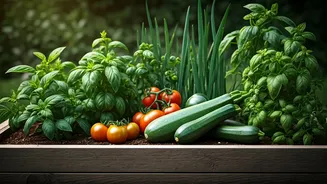
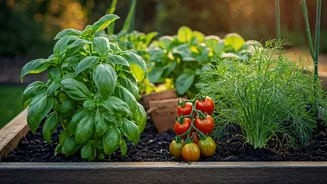
The Definition of Abundance
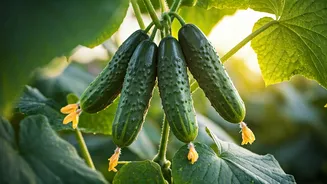
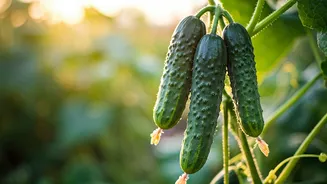
More than almost any other common garden vegetable, the cucumber embodies vigor. Once established, these plants seem to explode with life, sending out tenacious tendrils and unfurling huge, sun-catching leaves. Walking into your garden in mid-July to find
a new cucumber hiding under a leaf—perfectly formed, dewy, and ready for picking—is a uniquely satisfying experience. It’s a daily treasure hunt. This rapid, prolific growth provides a feeling of abundance that’s deeply rewarding for both new and experienced gardeners. While a tomato plant asks for patience, a cucumber vine offers near-instant gratification, reinforcing the feeling that you are successfully collaborating with nature.
Choosing Your Cucumber Champion
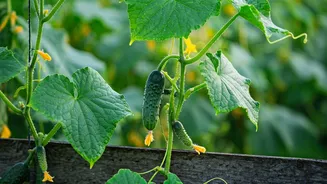
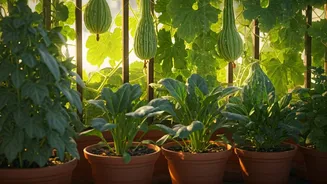
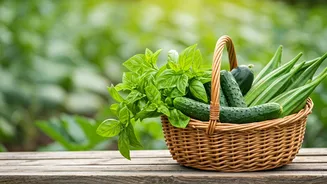
Before you plant, it’s helpful to know what you want to achieve. Are you dreaming of crisp spears for pickling or long, smooth slices for salads? Cucumbers generally fall into two categories: vining and bush. Vining types are the classic, sprawling plants that love to climb. If you have limited space, training them up a trellis, fence, or cage is a brilliant space-saver that also improves air circulation and keeps the fruit off the ground. Bush varieties are more compact and well-behaved, making them ideal for containers or smaller garden beds. Within these types, you’ll find slicing cucumbers, like the reliable ‘Marketmore 76’ or ‘Straight Eight,’ which are large and smooth-skinned. Pickling varieties, such as ‘Boston Pickling’ or ‘National Pickling,’ are shorter, bumpier, and bred to stay crisp after processing.
Giving Them a Strong Start
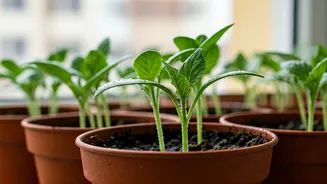
Cucumbers aren't fussy, but they do have a few non-negotiable demands. They are true sun-worshippers, requiring at least six to eight hours of direct sunlight per day. They also thrive in rich, well-drained soil. Before planting, it’s a great idea to amend your garden bed with a few inches of compost, which provides nutrients and helps the soil retain moisture. When the soil has warmed up after your last frost date, you can plant seeds directly in the ground, typically about an inch deep. Give them plenty of space to sprawl or climb. If you’re using a trellis, you can plant them closer together, about a foot apart. A common mistake is planting too early; cucumber plants hate cold soil and will simply stall until the weather warms up.
The Secrets to a Crisp Harvest
The single most important factor for growing great cucumbers is consistent watering. Their fruit is over 95% water, so it’s no surprise they get thirsty. Irregular watering can lead to bitter-tasting cucumbers. Aim to keep the soil consistently moist but not waterlogged. A layer of straw or mulch around the base of the plants can help retain soil moisture and keep weeds down. Be watchful for pests, especially the striped or spotted cucumber beetle, which can damage plants and spread disease. Check your plants regularly, and if you see them, pick them off by hand and drop them into a bucket of soapy water. Harvesting frequently is also key. Picking cucumbers when they are the right size for their variety encourages the plant to produce more fruit, leading to a continuous, refreshing supply all summer long.