
So, What Are Millets, Anyway?
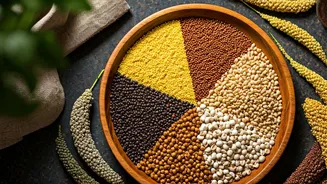
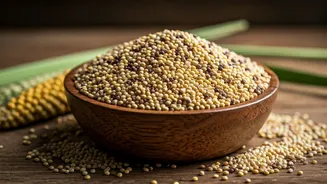
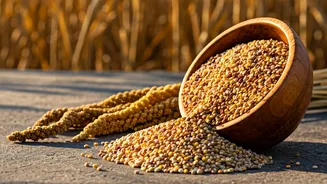
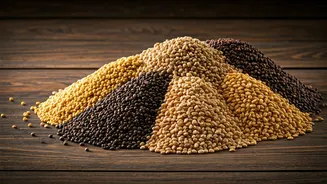
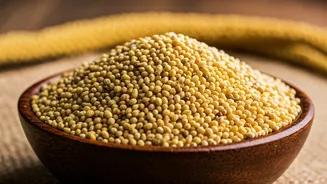
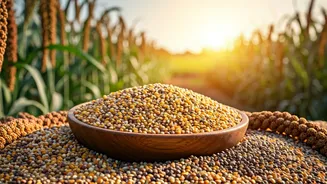
Before you can appreciate the comeback, let’s get reacquainted. Millet isn’t one single grain but a family of small-seeded grasses that have been cultivated for thousands of years, predating most of the grains that dominate our modern diet. From pearl
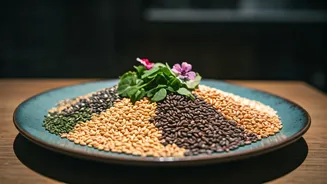
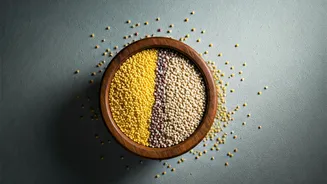
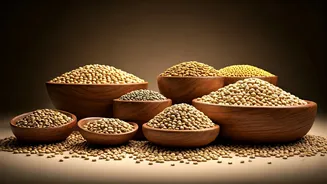
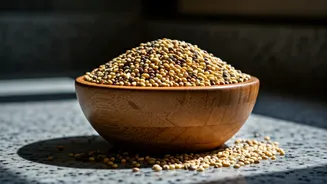
and foxtail to fonio and sorghum, these ancient powerhouses were staples across Africa and Asia long before wheat and rice became global titans. In the U.S., however, they were largely relegated to niche markets, often dismissed as bird feed or livestock fodder. But what chefs are rediscovering is their incredible diversity. Some varieties are fluffy and light, others are creamy and porridge-like. They can be nutty, earthy, or subtly sweet, offering a textural and flavorful playground that commodity grains simply can’t match. This isn't just about finding a new carb; it's about unlocking a forgotten pantry of possibilities.
From Forgotten Staple to Chef's Darling
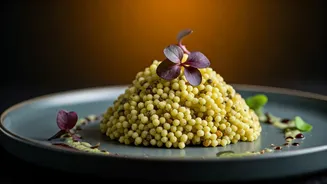
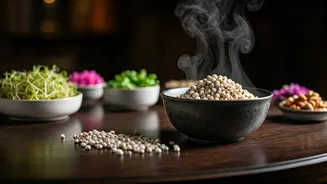
The shift from farm feed to fine dining is happening fast. At upscale restaurants in New York, Chicago, and San Francisco, chefs are embracing millets for their versatility and unique character. You might find fonio, a West African millet, served as a delicate, couscous-like bed for braised lamb. Puffed sorghum might add a surprising crunch to a salad or dessert. Some chefs are using millet flour to create gluten-free breads with a complex, nutty flavor, while others are cooking it risotto-style to create a creamy, decadent-tasting dish that’s packed with nutrients. The appeal for these culinary artists is twofold. First, it’s a new texture and flavor to play with, a way to surprise diners who think they’ve seen it all. Second, it connects their cooking to a deeper story of agricultural heritage and global cuisine, moving beyond the tired rotation of quinoa and farro.
The Health and Planet Payoff
This trend isn't just about what’s happening on the plate; it’s driven by what’s happening in the world. As more diners seek out gluten-free and nutrient-dense options, millets are a natural fit. They are packed with fiber, protein, and essential minerals like magnesium and iron. But the bigger story might be their environmental credentials. Millets are famously hardy, thriving in arid conditions with minimal water and fewer inputs like fertilizer and pesticides. This makes them a so-called “climate-smart” crop, a resilient food source for a warming planet. This combination of personal wellness and planetary health is a powerful one. In fact, the United Nations declared 2023 the “International Year of Millets” to promote their potential to combat food insecurity and adapt to climate change. The chefs using them are not just setting a trend; they’re endorsing a more sustainable food system.
Will It Trickle Down to Your Pantry?
While the spotlight from Michelin-starred kitchens is what grabs headlines, the real test is whether millets can make the leap into the American home. History shows that what starts in high-end restaurants often finds its way to grocery store shelves. Think of how kale, once a lowly garnish, became a smoothie staple, or how quinoa went from an obscure import to a pantry regular. The signs are promising. Brands are beginning to market millet-based products, from breakfast porridges to ready-to-eat grain bowls. As home cooks become more familiar and confident with the grain, its reputation as “birdseed” will continue to fade. The premium menu is just the first step in re-establishing millet’s rightful place as a delicious, versatile, and profoundly important food.