



Start with a Plant Audit
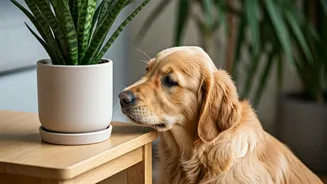
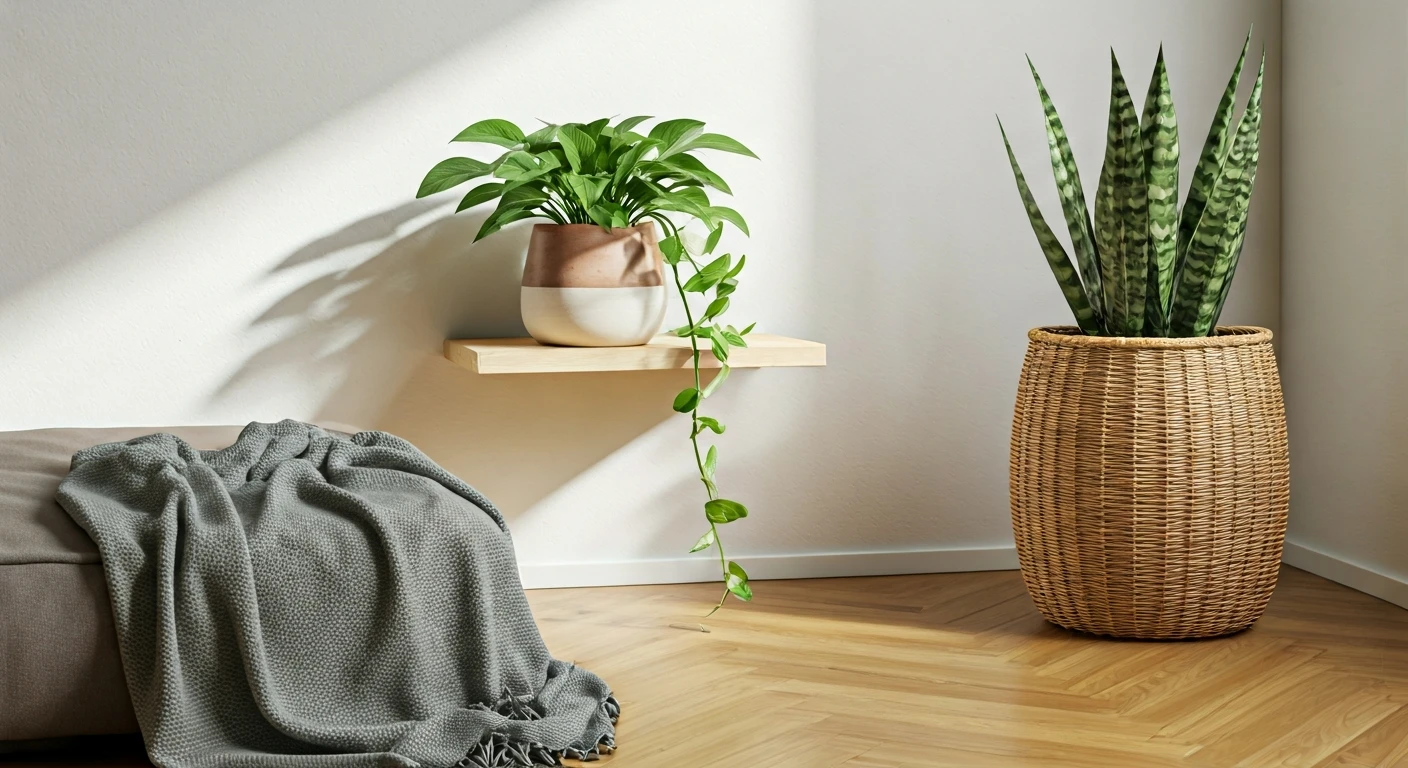
Before you add anything new, assess what you already have. Many common and beautiful houseplants are surprisingly toxic to cats and dogs. Peace lilies, snake plants (Sansevieria), ZZ plants, and pothos—all darlings of modern interior design—can cause
anything from mild irritation to severe illness if ingested by a curious pet. The American Society for the Prevention of Cruelty to Animals (ASPCA) maintains an exhaustive online database of toxic and non-toxic plants. Take a quick inventory of your current greenery and cross-reference it. If you find a toxic plant, you don’t necessarily have to toss it. Consider moving it to a room your pet can't access or placing it on a very high shelf or in a hanging planter well out of reach.
Choose Your Greenery Wisely
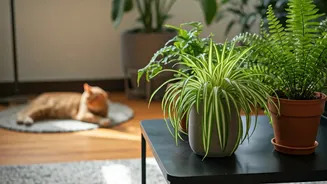
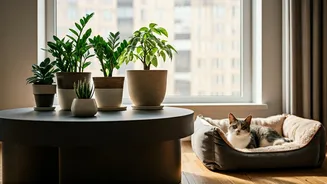
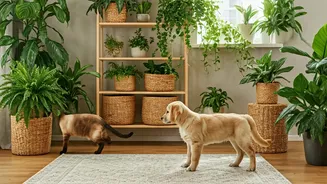
The good news is that you don't have to live in a plant-free desert. A huge variety of stunning, architectural, and lush plants are completely pet-safe. For a tropical vibe, consider the Parlor Palm or the vibrant Prayer Plant (Maranta), whose leaves fold up at night. The Spider Plant is a resilient classic that’s easy to care for and safe for pets. For something more dramatic, the Rattlesnake Plant (Calathea lancifolia) offers striking patterns without the risk. Succulent lovers can opt for Haworthia or Echeveria instead of potentially toxic jade plants. Building your indoor jungle is about making informed choices, not sacrificing style.
Think Vertically
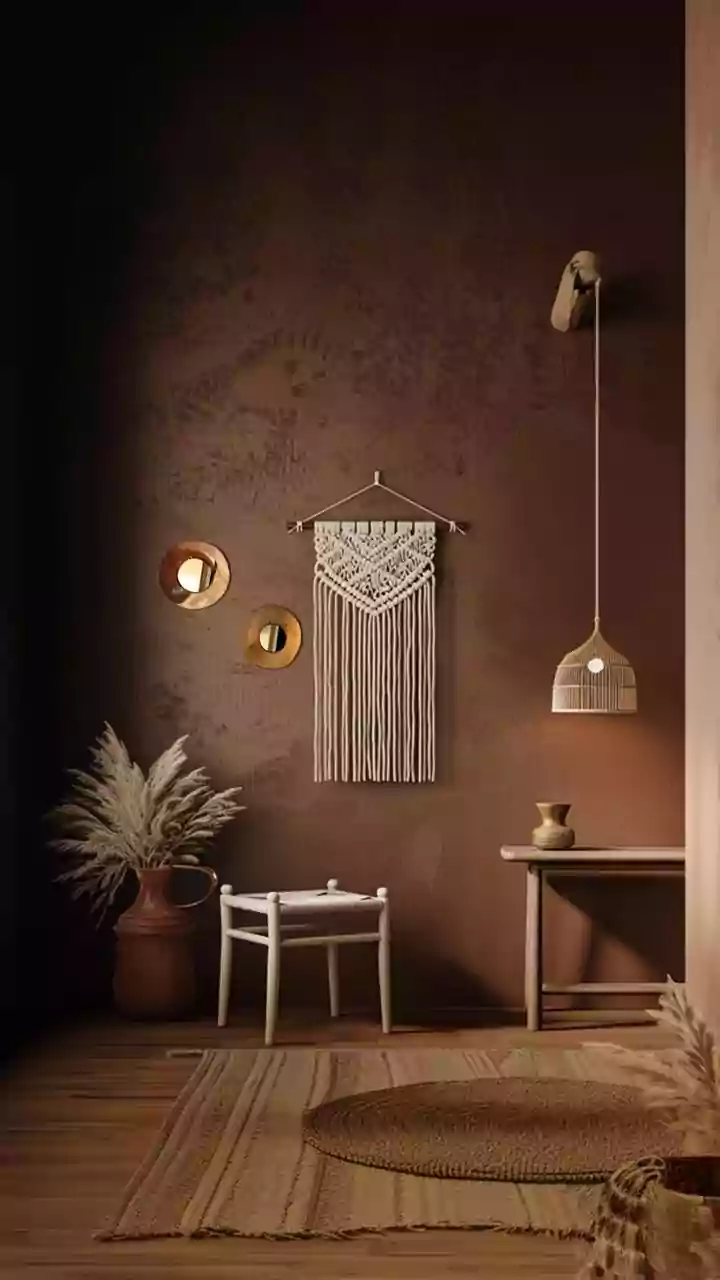
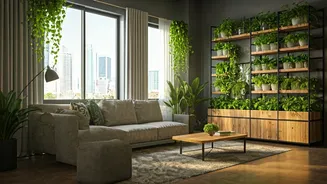
One of the simplest ways to keep plants away from paws and jaws is to elevate them. Vertical gardening isn't just a space-saving trick for small apartments; it's a pet-proofing strategy. Wall-mounted shelves, tall plant stands, and hanging macrame planters are your best friends. This approach allows you to incorporate a wider variety of plants (even some mildly toxic ones, if you're confident they are truly inaccessible) while drawing the eye upward and creating a sense of height and drama in a room. A collection of hanging ferns, for example, can create a beautiful, verdant canopy that your cat or dog can only admire from below.
Select Pet-Friendly Textiles
A lush home is about more than just plants. The right textiles—rugs, pillows, throws, and upholstery—create a sense of comfort and luxury. But with pets, fabric choices matter. Steer clear of delicate materials like silk or velvet that can be easily snagged by claws. Instead, opt for durable, tightly woven fabrics. Performance velvets, microfiber, and canvas are excellent choices that resist stains, fur, and scratches. When it comes to rugs, low-pile options are easier to clean than high-pile shags, which can trap fur and dander. Patterns can also be a strategic choice, as they help camouflage the occasional stray hair or minor stain between cleanings.
Designate Chic Pet Zones
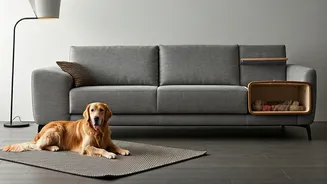
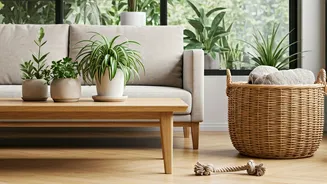
Instead of letting pet bowls, beds, and toys create clutter, integrate them into your decor. This trend, gaining traction among design-conscious pet owners, is about creating intentional, stylish spaces for your animal's needs. Invest in a beautifully designed pet bed that complements your sofa. Find ceramic or stainless steel food and water bowls that match your kitchen's aesthetic. Use attractive woven baskets or a designated cabinet to store toys when they're not in use. By giving your pet's belongings a proper, thought-out home, you maintain a sense of order and sophistication throughout your space, proving that a pet-filled home can also be a showpiece.
Rethink Your Decor Accents
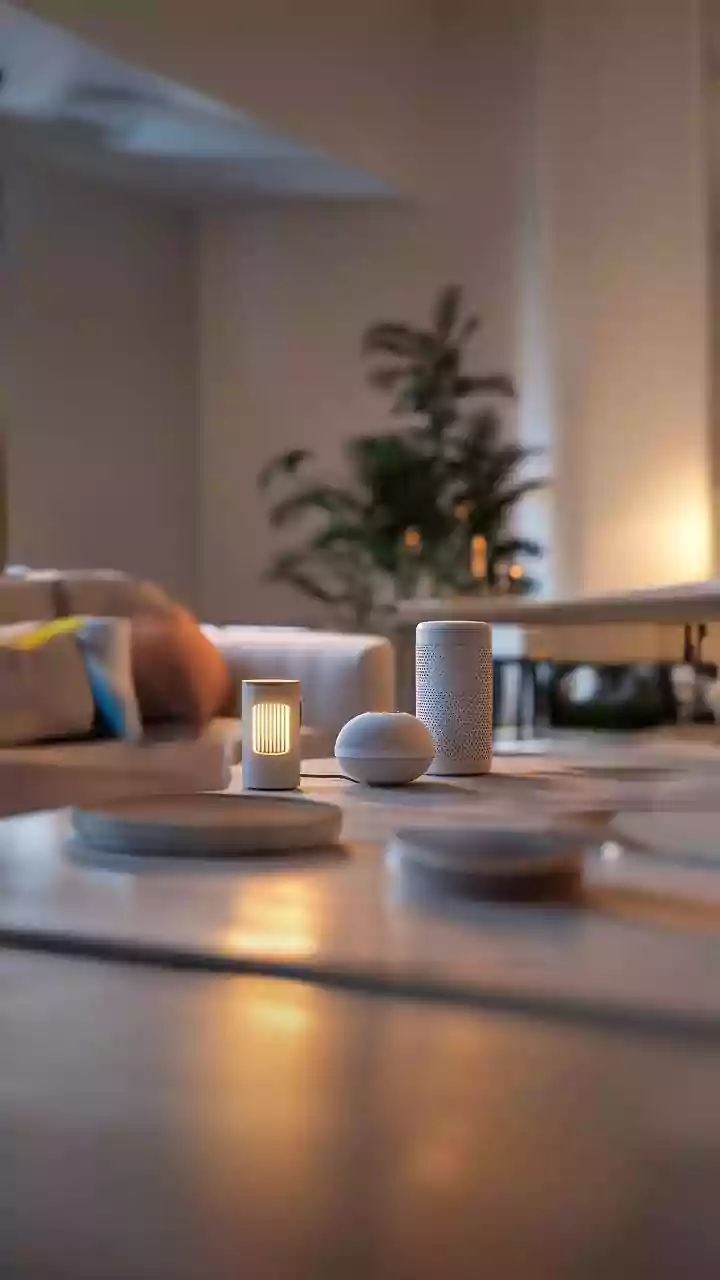
Small, fragile decor items on low coffee tables are a disaster waiting to happen with a playful dog's wagging tail or a curious cat's swatting paw. Curate your accent pieces with your pet in mind. Opt for heavier, more stable items that are less likely to be knocked over, like a substantial wooden bowl, a set of large coffee table books, or a sturdy sculptural object. Group smaller items together on a decorative tray, which is easier to move when it's time for a play session. For scented ambiance, swap potentially hazardous candles (risk of fire or toxic wax) for a high-quality essential oil diffuser, ensuring the oils you use are pet-safe (avoiding tea tree, pennyroyal, and others).