





What Exactly Is Moringa?
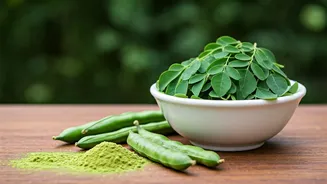
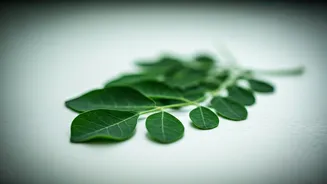
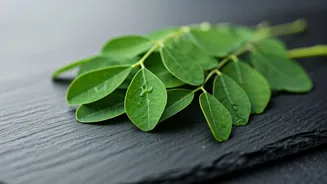
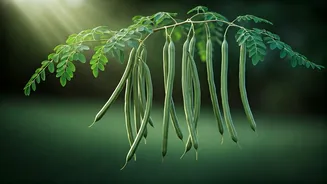
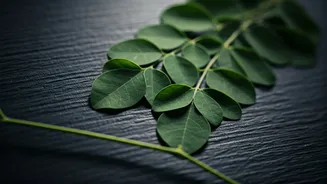
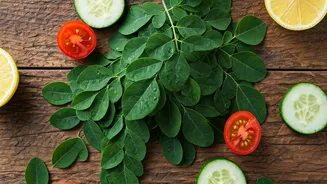
Moringa oleifera is a fast-growing, drought-resistant tree native to the Indian subcontinent, though it’s now cultivated across Asia, Africa, and South America. Often called the “drumstick tree” for its long seed pods or the “miracle tree” for its wide-ranging
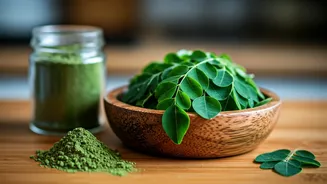
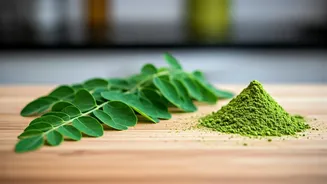
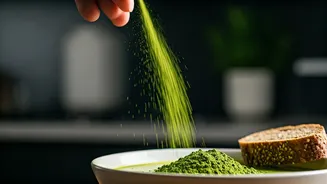
uses, nearly every part of the plant is edible and has been used for centuries in traditional herbal medicine. In the U.S., you’re most likely to encounter it as a fine, vibrant green powder. This powder is made from the tree’s dried leaves, which are considered the most nutrient-dense part of the plant. Unlike many trendy supplements with mysterious origins, moringa has a long history as a staple food source in regions struggling with malnutrition, a testament to its fundamental value.
A Nutritional Powerhouse in a Scoop
The primary reason moringa has captured the attention of health-conscious Americans is its impressive nutritional content. The leaf powder is a rich, plant-based source of essential vitamins and minerals. It’s packed with vitamin A, which is crucial for vision and immune function; vitamin C, a powerful antioxidant; and vitamin E, which helps protect cells from damage. But it doesn’t stop there. Moringa also provides a surprising amount of plant-based protein, containing all nine essential amino acids. Furthermore, it’s a good source of calcium for bone health and potassium, which is vital for maintaining healthy blood pressure. A single spoonful can deliver a broader spectrum of nutrients than many other single-ingredient greens.
The Science-Backed Benefits
While traditional medicine has long prized moringa for everything from boosting energy to treating stomach ailments, modern science is beginning to validate some of these claims. The most well-supported benefit is its powerful antioxidant activity. Moringa is rich in compounds like flavonoids, polyphenols, and ascorbic acid, which help fight oxidative stress caused by free radicals—unstable molecules that contribute to aging and chronic diseases. Some studies also point to its anti-inflammatory properties, thanks to compounds called isothiocyanates. Preliminary research suggests moringa may also help lower blood sugar and cholesterol levels, though more large-scale human studies are needed to confirm these effects. For now, it’s best viewed as a supportive nutritional tool rather than a cure-all.
How to Easily Add It to Your Diet
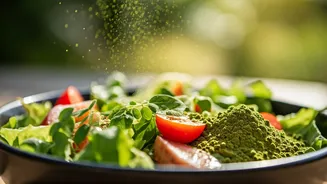
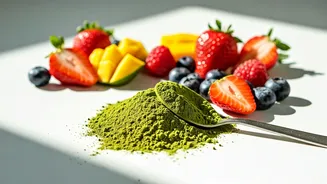
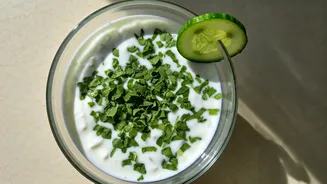
One of moringa’s best features is its versatility. The powder has a distinct earthy flavor, similar to spinach or matcha, so it blends best into savory and subtly sweet dishes. The easiest entry point is a smoothie. A teaspoon or two mixed with fruit, yogurt, and a liquid base will seamlessly integrate into your morning routine. You can also whisk it into scrambled eggs, stir it into a bowl of oatmeal or yogurt, or sprinkle it into soups, stews, and sauces toward the end of cooking. Some people even use it to make a “moringa latte” by mixing it with hot water and frothed milk. Start with a small amount (about half a teaspoon) to get accustomed to the taste before increasing your serving.
What to Look For When Buying
As with any supplement, quality matters. When shopping for moringa powder, look for products that are certified organic to ensure they were grown without synthetic pesticides. The ingredient list should be simple: 100% pure moringa leaf powder with no fillers, sugars, or other additives. The color should be a bright, rich green; a dull, brownish powder may be old or of poor quality. Because moringa can absorb heavy metals from the soil it's grown in, it’s wise to choose a reputable brand that performs third-party testing for contaminants. Store your powder in a cool, dark place in an airtight container to preserve its potency and prevent oxidation.