
What Exactly Is Food Synergy?
Think of it as teamwork for your food. Food synergy is the idea that certain nutrients, when eaten together, provide a health benefit that's greater than the sum of their parts. It’s not just about what you eat, but what you eat it with. One plus one
doesn't equal two; it might equal three or four in terms of nutritional impact. For instance, one ingredient might help your body absorb a key compound from another, or two different foods might work on separate but complementary pathways to support your health. While this may sound like a trendy new wellness buzzword, it’s a principle that has been intuitively practiced in traditional cuisines, like those across South Asia, for centuries. The “glow-up” isn’t about reinventing these dishes, but about understanding and celebrating the brilliant science that was there all along.
Turmeric & Black Pepper: The Power Couple
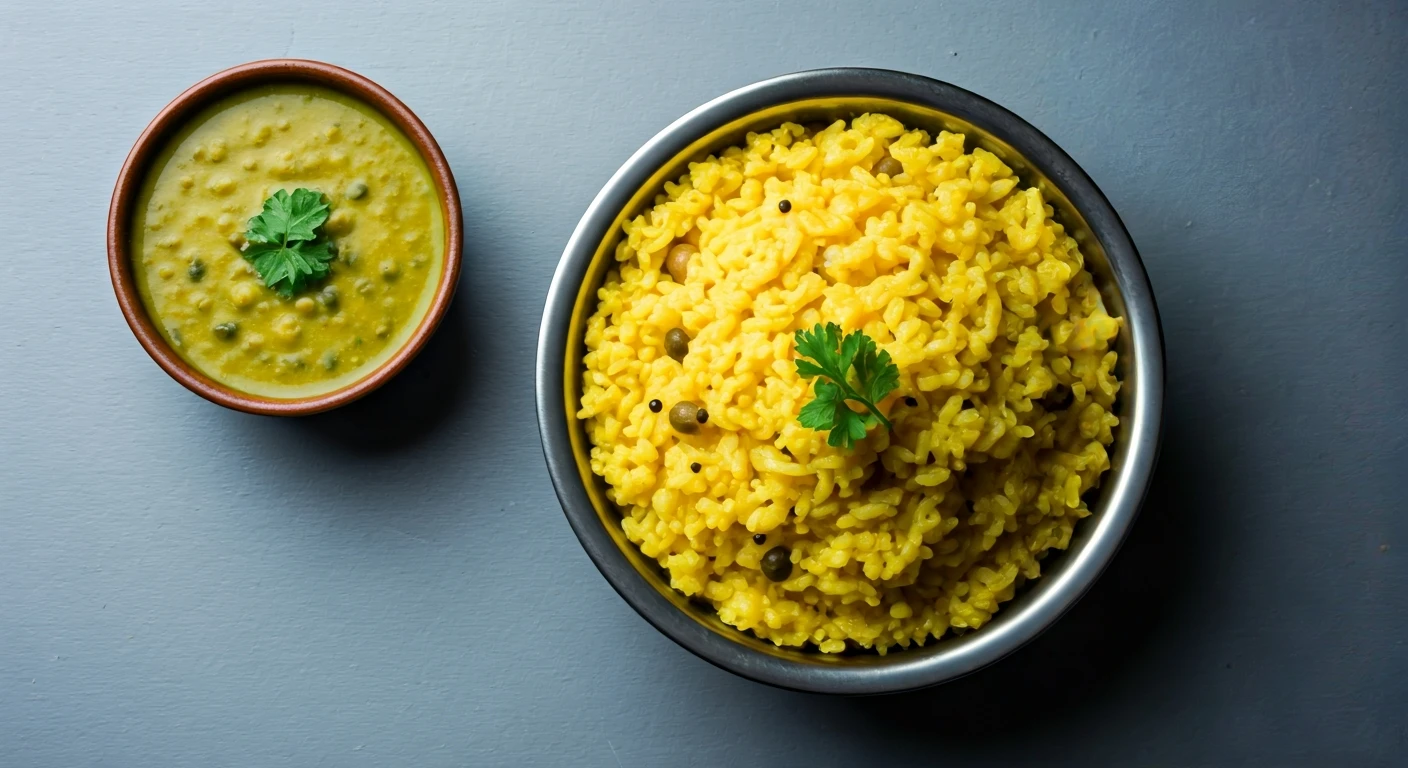
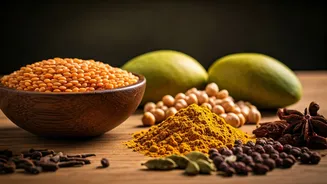
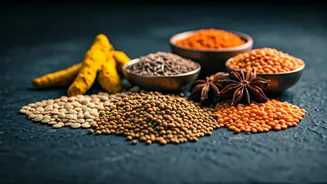
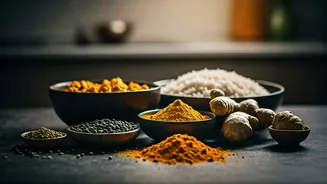
This is the classic example of food synergy, and it's a cornerstone of Desi cooking. Turmeric’s vibrant yellow hue comes from curcumin, a powerful anti-inflammatory compound. The problem? Our bodies have a hard time absorbing it on its own. Enter black pepper. Pepper contains a compound called piperine, which has been shown to increase the bioavailability of curcumin by up to 2,000%. That pinch of black pepper in your dal or curry isn't just for flavor; it’s unlocking the full potential of the turmeric. Every time you see these two spices together in a recipe, you’re witnessing a perfect synergistic partnership in action, turning a simple dish into a potent, functional food.
Lentils & Lemon: The Iron Boost
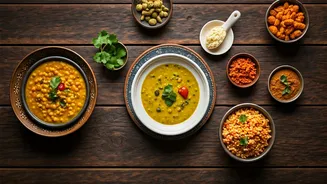
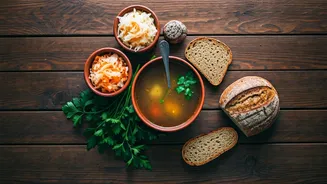
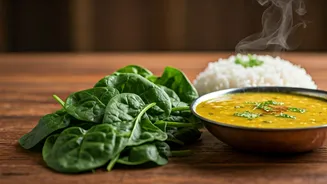
Anyone who relies on plant-based foods for iron knows that lentils (dal) are a nutritional powerhouse. They are packed with non-heme iron, a form of the mineral that's a bit trickier for our bodies to absorb compared to heme iron from animal sources. This is where vitamin C comes to the rescue. Acids, like the ascorbic acid found in vitamin C, can dramatically enhance the absorption of non-heme iron. That simple squeeze of lemon or lime over a bowl of dal, or the inclusion of tomatoes (another great source of vitamin C) in the cooking process, is a game-changer. This traditional finishing touch transforms a humble lentil soup into a highly effective tool for boosting your iron levels, preventing fatigue and keeping your energy up.
Rice & Dal: The Complete Protein
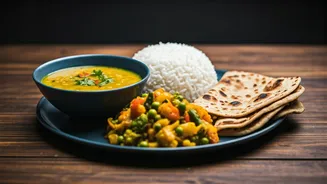
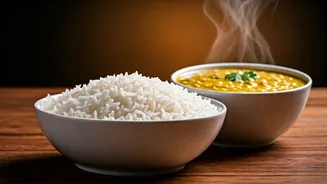
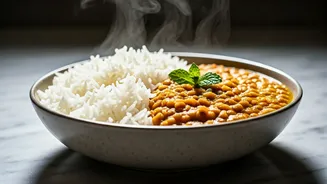
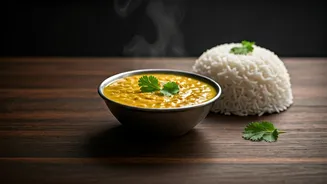
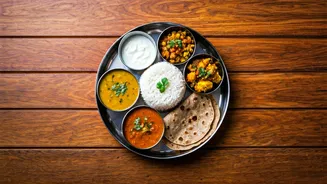
Dal chawal isn't just comfort food; it's a complete meal from a biological standpoint. Proteins are made of amino acids, and some are “essential,” meaning our bodies can't produce them. Most plant-based foods are “incomplete” proteins, missing one or more of these essential amino acids. Grains like rice are typically low in the amino acid lysine, while legumes like lentils are low in methionine. But when you eat them together? Magic. The combination provides all nine essential amino acids, creating a “complete protein” that’s on par with meat or eggs. This pairing is a perfect, affordable, and sustainable way to build and repair tissue, making it a brilliant staple for millions.
Yogurt & Fiber: The Gut Health Heroes
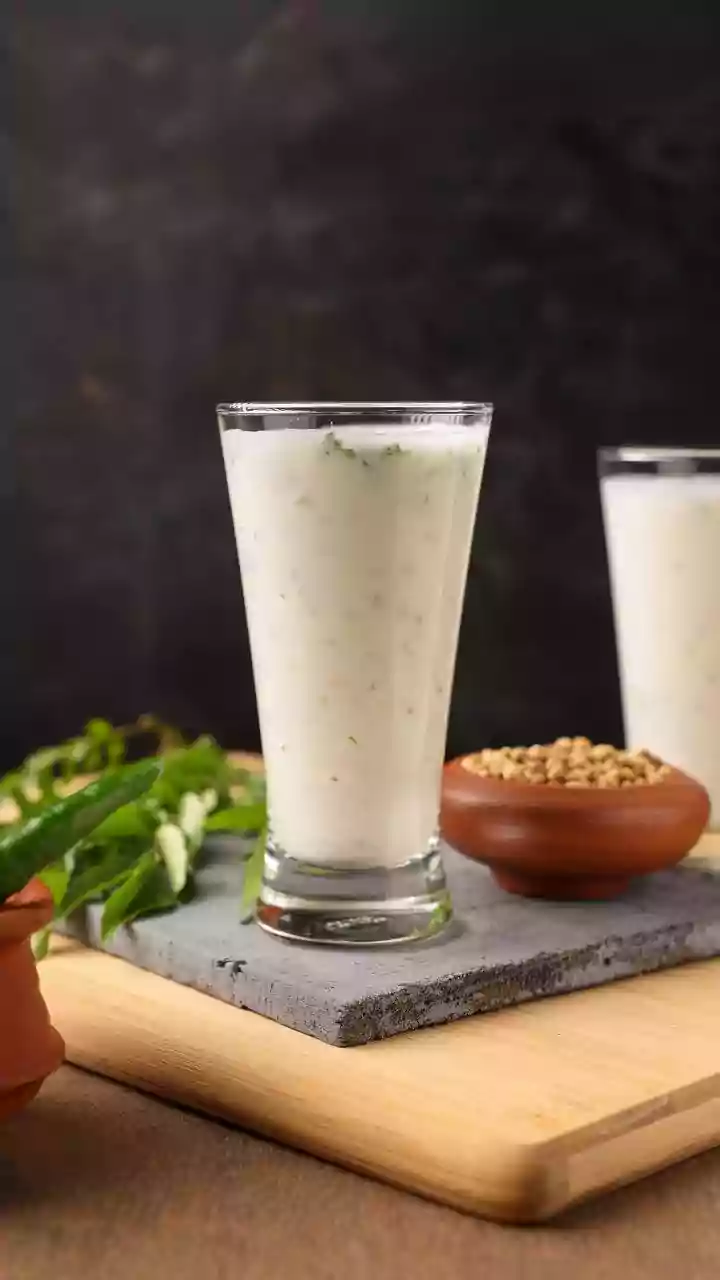
Raita, the cooling yogurt side dish often mixed with cucumber, onion, and spices, is another synergistic superstar. The yogurt itself is a fantastic source of probiotics—the beneficial bacteria that support a healthy gut microbiome. But those bacteria need food to thrive, and that’s where prebiotics come in. The fiber from the raw vegetables like cucumber and onion, as well as spices like cumin, act as prebiotics. They feed the good bacteria, helping them flourish. So, a side of raita isn't just balancing the heat of a spicy curry; it's a synbiotic combination that actively nurtures your digestive health from the inside out.