



Beyond the Bland TV Dinner
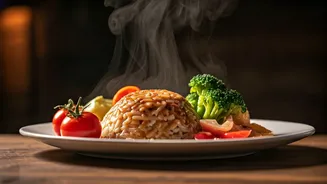
Remember the classic TV dinner? A partitioned tray holding a vague piece of meat, some listless vegetables, and a starchy side—often with a surprisingly solid 'brownie.' It was the epitome of generic, mid-century American convenience. For decades, the goal
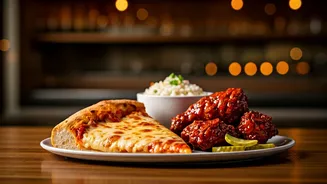
of mass-market food was to appeal to the broadest possible palate, which often meant sanding off any interesting or challenging edges. But that model is dying, and the ready-meal aisle is one of the most interesting places to watch it happen. Today’s consumer, armed with food blogs, cooking shows, and an Instagram feed full of culinary adventures, is more educated and demanding. We don't just want 'barbecue chicken'; we want to know if it's tangy Carolina-style, sweet and smoky Kansas City, or spicy Texas heat. This shift has forced food companies to realize that specificity doesn't limit their audience—it excites it. The new American palate isn't a monolith; it's a mosaic of regional tastes that people are eager to explore, even on a busy Tuesday night.
How 'Place' Makes It Feel Fresh
The headline's claim hinges on the word 'feel.' A frozen meal featuring 'Nashville Hot Chicken' isn't literally fresher than one simply labeled 'Spicy Fried Chicken.' But psychologically, it feels worlds apart. Why? Because specificity implies a story, a standard, and a sense of craft. It suggests the recipe wasn't created in a boardroom but was inspired by a real place with a real culinary tradition. This perception of authenticity is a powerful antidote to the sterile, factory-made reputation that has long plagued convenient foods. Naming a dish 'New Orleans-Style Gumbo' or 'New England Clam Chowder' sets an expectation. It tells the consumer that the creators cared enough to get the details right—the smoky andouille, the right kind of clams, the hint of sherry. This perceived care and attention to detail translate directly into a feeling of higher quality and, by extension, freshness. It closes the gap between a meal that was simply manufactured and one that feels 'cooked.'
Your Doorstep, Now with a Destination
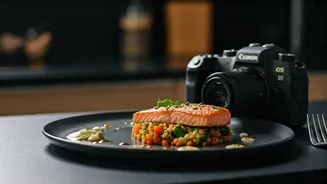
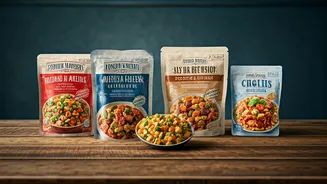
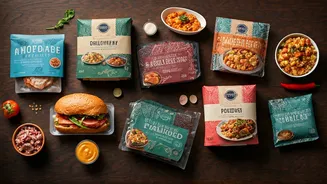
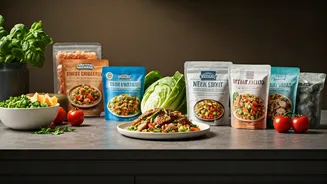
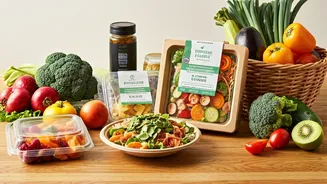
This trend is most visible in two key areas: the premium freezer aisle and the booming meal-kit market. Brands like an upscale Trader Joe's or Whole Foods' 365 line are increasingly launching products that name-drop specific regions. You might find a Vermont White Cheddar Mac & Cheese, Hatch Green Chile Mac & Cheese, or a Lowcountry Shrimp & Grits bowl sitting side-by-side. They aren't just selling a meal; they're selling a taste of a place. Meal kit companies like HelloFresh and Blue Apron have taken this even further. They regularly feature menus with regional 'takeovers' or 'destination' series. One week, you might be cooking up a Tex-Mex feast with carne asada tacos, and the next, you're assembling a Pacific Northwest salmon with a dill cream sauce. These companies have learned that their subscribers aren't just looking for a way to avoid the grocery store; they're looking for culinary inspiration and a break from their own recipe rut. Providing a curated tour of American flavors is a perfect way to deliver that value.
A Low-Effort Trip for Your Taste Buds
Ultimately, the rise of regional flavors in ready meals is about more than just good marketing. It’s a form of accessible culinary tourism. For the price of a single entrée, you can take a 15-minute trip to Charleston, Santa Fe, or New Orleans without leaving your kitchen. It's a low-stakes way to explore a flavor profile you've heard about but never tried. In a world where time and money for travel are often limited, food has become a primary vehicle for discovery and experience. This trend offers a fascinating glimpse into the modern American relationship with food. We demand ultimate convenience, but we refuse to sacrifice identity and story. We want our fast food to have a slow-food soul. By bringing the distinct and varied flavors of America's regions into our microwaveable bowls and 30-minute meal kits, food producers are finally catching on to what we've wanted all along: convenience that connects us to a place.