


The Great Domestic Pivot
For decades, the narrative of Indian tourism was often externally focused. For the affluent, travel meant a trip to Europe or Southeast Asia. For foreign visitors, it meant the “Golden Triangle” of Delhi, Agra, and Jaipur. But the global travel freeze
of the pandemic forced a massive change in perspective. With international borders sealed, India’s burgeoning middle class—armed with disposable income and a hunger for new experiences—turned its gaze inward. What began as a necessity has since blossomed into a full-blown movement. This isn't just a temporary “staycation” trend; it’s a fundamental and energetic shift in how Indians see their own country, fueled by a desire for authenticity, adventure, and connection.
Beyond the Beaten Path
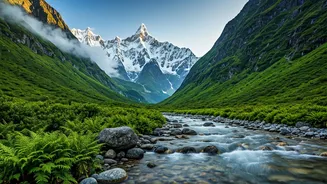
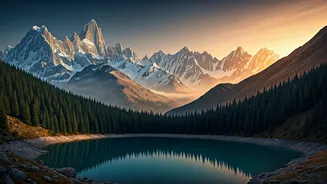
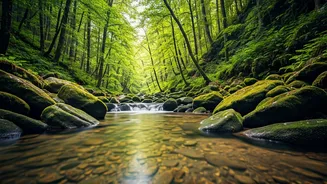
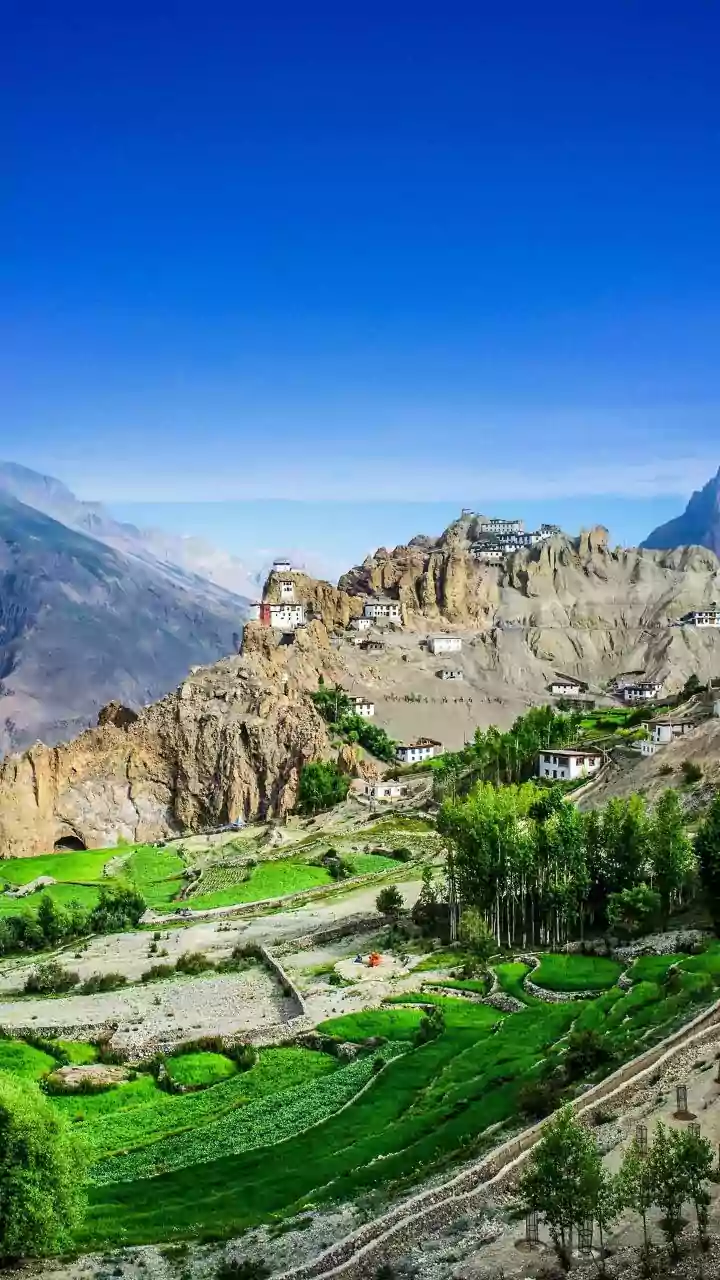
The new map of Indian travel looks radically different. While iconic monuments will always have their draw, the real energy is in discovering the undiscovered. Travelers are flocking to the serene backwaters of Kerala in houseboats, but also to the less-traveled coastal routes of Karnataka. They are hiking in the Himalayan state of Uttarakhand, seeking out remote villages and yoga retreats. The once-isolated Northeast—a region of misty mountains, unique tribal cultures, and stunning biodiversity in states like Meghalaya and Arunachal Pradesh—is becoming a coveted destination for road trips and adventure tourism. This shift is powered by a desire to escape the crowds and find unique, Instagram-worthy experiences that go far beyond a simple postcard snapshot.
What's Driving the Boom?
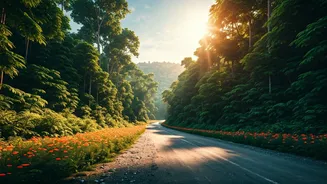
Several powerful forces are converging to fuel this domestic travel boom. First, a decade of economic growth has created a larger-than-ever class of consumers with the means and motivation to travel. Second, massive infrastructure investment has made the country easier to navigate. New airports in smaller cities and a web of modern highways have cut down travel times and opened up previously inaccessible regions. Finally, the digital revolution has played a starring role. Social media platforms like Instagram are not just for sharing photos; they are the primary discovery engines for this new generation of travelers. Indian travel influencers have become powerful tastemakers, showcasing hidden gems and creating a feedback loop of desire and discovery that bypasses traditional travel agencies entirely.
The New Indian Traveler
This movement is being led by a different kind of tourist. They are younger, more digitally savvy, and more independent than previous generations. The market is no longer dominated by large family groups on religious pilgrimages or package tours. Today, it’s driven by solo women travelers seeking safety and community in curated trips, groups of friends renting villas for a “workation,” and digital nomads logging into work from a cafe in the mountains of Himachal Pradesh. They prioritize experiences over simple sightseeing—think wellness retreats, culinary tours, sustainable farm stays, and challenging treks. This demand for authenticity has created a thriving ecosystem of boutique hotels, eco-conscious homestays, and specialized tour operators who cater to niche interests.
Ripple Effects and Future Challenges
The economic impact is profound. This trend is channeling tourist dollars away from a few saturated hubs and distributing them to rural and remote communities, creating jobs and fostering local entrepreneurship. A farmer with extra rooms can now run a profitable homestay listed on Airbnb. A local guide with deep knowledge of a forest can now lead well-paying eco-tours. However, this explosion in popularity also brings challenges. Fragile mountain ecosystems are grappling with waste management and unregulated construction. Popular spots risk becoming victims of their own success, threatening the very tranquility that made them attractive in the first place. The next chapter of this story will be about finding a balance between growth and sustainability.