





The Silent Risk of Dehydration
For our dogs and cats, summer isn’t just about finding a cool patch of tile to lie on; it’s a period of heightened risk for dehydration. Unlike us, they can’t grab a cold drink from the fridge when they feel thirsty. Dehydration can lead to serious health
issues, including urinary tract problems, kidney disease, and heatstroke. The signs can be subtle at first: dry gums, low energy, sunken eyes, and a loss of skin elasticity. By the time symptoms are obvious, the problem may already be advanced. Ensuring constant access to fresh, appealing water is the single most important step an owner can take to mitigate this risk, especially for indoor pets who rely entirely on what we provide.
Why Moving Water Is More Appealing
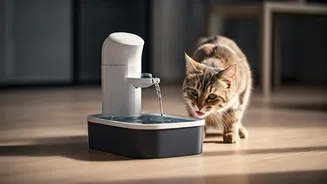
Why would a cat or dog who ignores a full bowl of still water be drawn to a gurgling fountain? The answer is rooted in thousands of years of instinct. In the wild, stagnant water is a breeding ground for bacteria and parasites, making it potentially dangerous. Flowing water, like that from a stream or river, is typically fresher, cooler, and better oxygenated. This ancient wiring is still present in our domesticated pets. The movement and sound of a water fountain signal a source of clean, safe water. For cats, in particular, who are notoriously poor drinkers descended from desert animals, the allure of moving water can be a game-changer for their overall hydration and kidney health.
Beyond Instinct: The Practical Benefits
Pet fountains offer more than just psychological appeal. Most models are equipped with filtration systems, often using charcoal filters to remove impurities, hair, and debris from the water. This not only keeps the water tasting and smelling fresh but also reduces the owner’s workload of constantly changing out a dirty bowl. The continuous circulation prevents bacteria from settling and multiplying, a common issue in static water bowls. Furthermore, the aeration process can make the water taste better to pets, encouraging them to drink more frequently throughout the day. This consistent, low-effort hydration is invaluable, especially for older pets, animals with medical conditions, or households with multiple pets competing for resources.
What to Look for in a Pet Fountain
When choosing a fountain, several factors come into play. Material is a key consideration. Stainless steel and ceramic fountains are durable, non-porous, and easy to clean, making them a hygienic choice that resists bacteria buildup. Plastic models are more affordable but can develop microscopic scratches that harbor germs and may cause chin acne in some sensitive cats. Next, consider the filtration system. Look for fountains with easily replaceable, multi-stage filters. Noise level is another factor; while some pets are attracted to the sound of trickling water, a loud motor can be a deterrent for timid animals (and an annoyance for owners). Finally, think about capacity and ease of cleaning. A larger reservoir is ideal for multi-pet homes or larger dogs, and models with dishwasher-safe components will make routine maintenance far less of a chore.
The Importance of Regular Maintenance
A pet fountain is not a “set it and forget it” device. To ensure it remains a source of health rather than a haven for germs, regular cleaning is non-negotiable. At least once a week, the fountain should be completely disassembled and washed with warm, soapy water. Pay close attention to the pump and any small crevices where slime or mineral deposits can accumulate. Filters should be changed according to the manufacturer’s recommendations, typically every two to four weeks. Skipping this crucial step negates the fountain's primary benefit, as dirty filters and a grimy pump will contaminate the very water you’re trying to keep clean. A well-maintained fountain is a fantastic tool for pet wellness; a neglected one can be worse than a simple bowl.