




The New Glucose Gospel
If you’ve seen an influencer drink a tablespoon of vinegar before a meal or insist on eating their salad first, you’ve witnessed the trend in action. The most visible proponent of this movement is Jessie Inchauspé, a biochemist better known to her millions
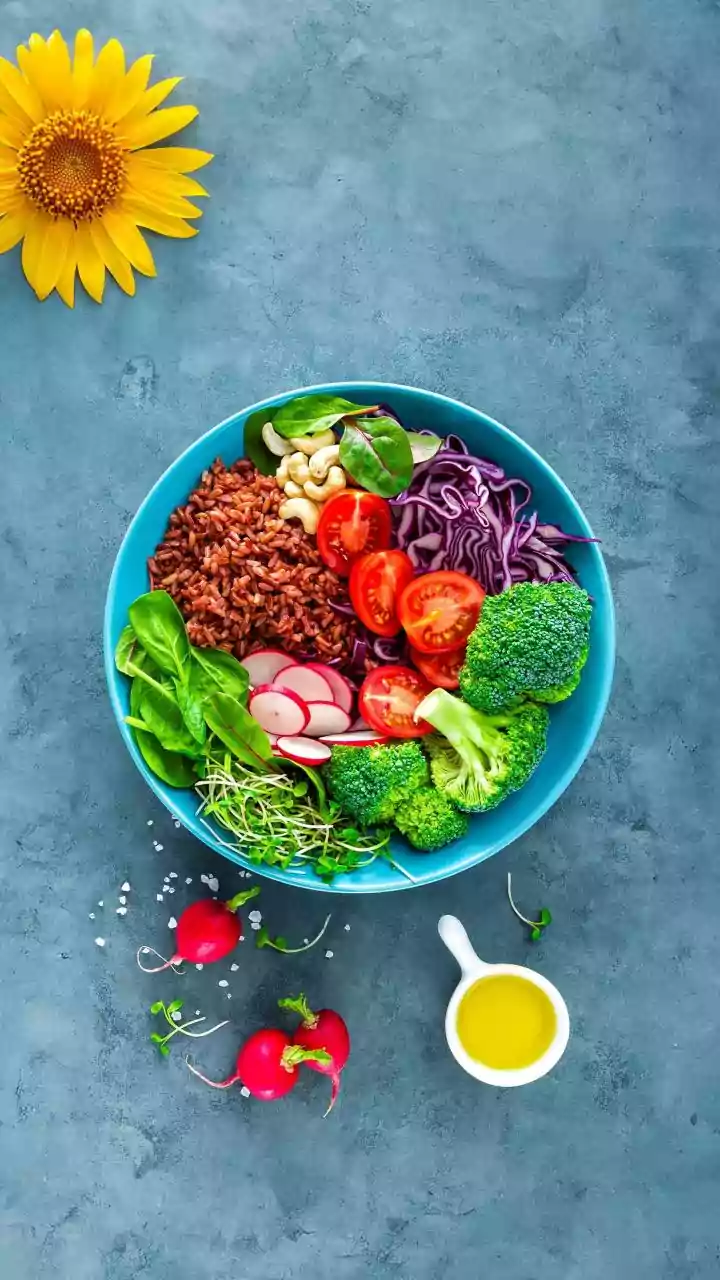
of followers as the “Glucose Goddess.” Her method, laid out in viral Instagram posts and best-selling books, isn’t about cutting sugar entirely. Instead, it’s about managing its impact. The advice is surprisingly simple and often involves “hacks” to flatten the glucose curve that follows a meal. These include eating foods in a specific order (fiber first, then protein and fat, then starches and sugars), adding a “vinegar starter” to meals, or going for a walk after eating. It feels manageable, scientific-ish, and, crucially, doesn’t require a doctor’s note.
A Direct Reaction to the 'Magic Shot'
This sudden, mainstream obsession with glucose spikes is no coincidence. It’s unfolding in the long shadow of Ozempic and other GLP-1 agonists, the so-called “miracle” weight-loss drugs. While effective, these medications are expensive, often in short supply, and come with a host of side effects and cultural baggage. The “sugar control” movement offers a compelling alternative for several groups: those who can't access or afford the drugs, those wary of lifelong injections, and those who feel a philosophical resistance to a pharmaceutical “quick fix.” It reframes wellness not as something you inject, but as something you achieve through knowledge and discipline. In this context, managing your glucose isn't just a health choice; it's a statement. It’s the “I did it myself” rebuttal in a world grappling with the ethics and implications of a medical shortcut to weight loss.
The Allure of Control and 'Natural' Wellness
At its core, the glucose-centric approach taps into a powerful human desire: control. In a world of conflicting health advice, the idea of monitoring your body’s response to food in real-time with a continuous glucose monitor (CGM) is deeply appealing. It gamifies eating and provides immediate feedback, turning abstract nutritional science into a personal, data-driven project. This narrative also leans heavily on the wellness industry’s favorite word: “natural.” It positions itself as working with your body’s innate systems, rather than overriding them with a powerful drug. This branding is potent, suggesting an empowered, bio-hacked path to health that feels more virtuous than relying on a prescription. It promises that with the right information and a few behavioral tweaks, you can optimize your own biology without outside help.
Old Advice in New, Viral Packaging
Of course, nutritionists are quick to point out that none of this is revolutionary. The idea that fiber slows down digestion, that protein provides satiety, and that processed sugar leads to energy crashes is foundational to dietetics. What Inchauspé and others have done brilliantly is package this established science for the Instagram era. They’ve created simple, memorable rules and a compelling visual language (those squiggly glucose graphs) that cut through the noise. However, critics worry about the potential downsides. The intense focus on food rules and bodily monitoring could trigger or mask disordered eating habits. For some, the constant surveillance of their glucose levels can become a new source of anxiety, turning every meal into a test to be passed or failed. It raises the question: is this true biological freedom, or just a new, data-heavy cage?