



Why Rain Wreaks Havoc on Skin
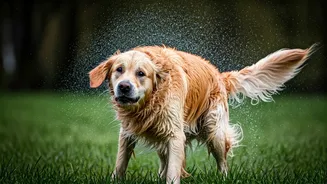
It’s not the rainwater itself that’s the problem; it's the lingering moisture. A dog's coat, especially if it’s thick or long, can trap dampness close to the skin for hours. This creates a warm, humid environment—the perfect breeding ground for bacteria
and yeast to multiply. These opportunistic microbes are normally present in small amounts, but when given the right conditions, their populations explode, leading to common and uncomfortable issues. Think of persistent ear infections, itchy paws from yeast dermatitis, or the dreaded “hot spots”—painful, inflamed, and infected patches of skin that can appear seemingly overnight. Areas with skin folds, like the armpits, groin, and paws, are particularly vulnerable as they trap moisture most effectively.
The Pre-Rain Defensive Routine
The best defense starts before your pet even gets wet. Just as we focus on our own wellness, strengthening your pet’s skin barrier from the inside out is key. Discuss with your vet whether supplements like omega-3 fatty acids (found in fish oil) could benefit your dog’s skin health. A high-quality diet is the foundation of a resilient coat and skin. Good grooming habits also play a crucial role. Keeping your dog’s fur trimmed, especially around the paws, belly, and sanitary areas, reduces the amount of mud and water they track in and makes the drying process much faster and more effective. A shorter coat simply has less surface area to trap problematic moisture.
Master the Post-Walk Drying Ritual
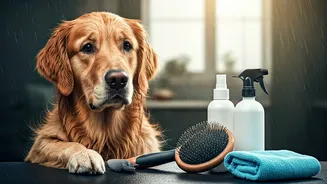
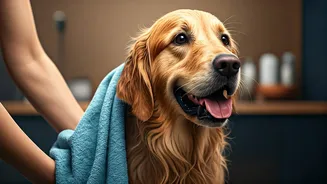
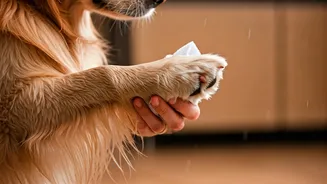
A quick, half-hearted towel-off won’t cut it. This is the single most important step in preventing moisture-related skin issues. Invest in a set of super-absorbent microfiber towels specifically for your pet. When you come inside, perform a thorough and systematic drying routine. Start with the main body, then pay special attention to the friction zones: under the collar, in the armpits, and around the groin. Don’t forget the ears; gently wipe the inner flap (but never insert anything into the canal). Most importantly, meticulously dry between their toes and paw pads, a prime spot for yeast to thrive. For dogs with dense undercoats or those who tolerate it, a pet-safe blow dryer on a low, cool setting can be a game-changer for ensuring they are bone-dry.
Spotting Trouble Before It Escalates
Being a vigilant owner means catching problems early. Get in the habit of performing regular, informal skin checks, especially during rainy seasons. While petting your dog, run your hands over their entire body, feeling for any unusual lumps, scabs, or greasy patches. Watch their behavior closely. Is there more scratching, licking, or chewing than usual? Is your dog constantly rubbing their face on the carpet or shaking their head? A funky, musty, or sweet smell coming from their skin or ears is another major red flag. Redness, inflammation, and hair loss are clear signs that it’s time to call the veterinarian. Early intervention can prevent a minor irritation from becoming a painful and expensive infection.
The New Arsenal of Pet Skincare
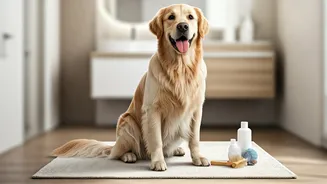
The pet care market has responded to owners’ growing awareness with a sophisticated lineup of skincare products that go far beyond basic shampoos. You can now find everything from soothing, pH-balanced wipes for post-walk paw cleaning to protective balms that create a barrier against wet, irritating surfaces. There are also medicated or antiseptic shampoos formulated to combat yeast and bacteria, but these should only be used under the direction of a veterinarian who has diagnosed a specific issue. These products aren't miracle cures but rather tools in your preventative toolkit. When used correctly, they can support your core routine of keeping your pet clean, dry, and comfortable throughout the wettest months of the year.