



The 'Why' Behind Food Synergy
Before we get to the delicious combinations, let's talk about the concept: food synergy. The idea is that certain foods, when eaten together, provide a health benefit that's greater than the sum of their parts. Nutrients in one food can unlock or enhance
the absorption of nutrients in another. Instead of meticulously tracking macros or eliminating entire food groups, this approach asks a much simpler question: How can I make the good stuff in this food even more available to my body? The answer is often found by adding a simple, complementary ingredient. It’s less about dietary perfection and more about nutritional intelligence, making healthy eating feel intuitive rather than academic.
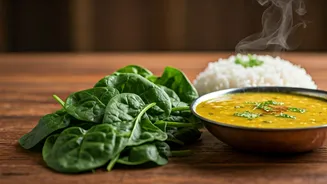
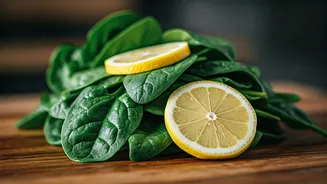
The Power Couple: Spinach & Lemon
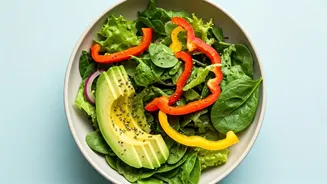
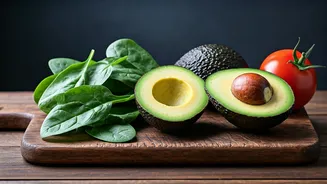
Plant-based iron, found in foods like spinach, lentils, and beans, is notoriously harder for our bodies to absorb than the iron found in meat. This is where Vitamin C comes to the rescue. It acts as a key, unlocking plant-based iron and converting it into a form that's much more readily available to your system. This is crucial for energy levels, as iron is essential for transporting oxygen in your blood. So, next time you make a spinach salad, don't forget a generous squeeze of lemon in the dressing. Tossing some bell peppers (another Vitamin C powerhouse) into your lentil soup or adding orange slices to a bean salad works the same magic.
The Sunshine Pair: Calcium & Vitamin D
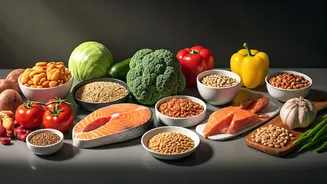
We all know calcium is the building block for strong bones and teeth, found plentifully in dairy, tofu, and leafy greens like collards. But without its partner, Vitamin D, most of that calcium can’t be put to good use. Vitamin D, often called the “sunshine vitamin,” is essential for regulating calcium levels and helping your body absorb it from your gut. While our bodies can produce Vitamin D from sun exposure, many of us still fall short. This is why many calcium-rich foods are fortified with Vitamin D (like milk and some yogurts). You can also create the pairing yourself by eating fatty fish like salmon (rich in D) alongside a calcium source like broccoli or kale.
The Absorption Boost: Tomatoes & Olive Oil
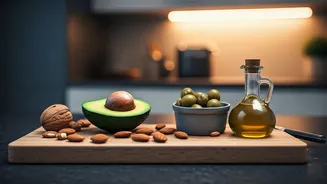
Tomatoes are packed with lycopene, a powerful antioxidant linked to reduced risk of certain cancers and improved heart health. But lycopene is fat-soluble, meaning your body needs fat to absorb it effectively. This explains why Mediterranean cultures have been onto something for centuries. Pairing tomatoes with a healthy fat like olive oil—as in a classic Caprese salad, a simple tomato sauce, or bruschetta—dramatically increases the amount of lycopene your body can take in. The same principle applies to other fat-soluble vitamins (A, D, E, and K) found in colorful vegetables. A drizzle of oil on your salad isn't just for flavor; it's a nutritional upgrade.
The Anti-Inflammatory Team: Turmeric & Black Pepper
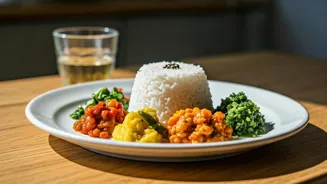
Turmeric has become a wellness superstar, thanks to its active compound, curcumin, which has potent anti-inflammatory properties. The catch? Curcumin is poorly absorbed by the body on its own. Enter black pepper. A compound in pepper called piperine can increase the bioavailability of curcumin by a staggering 2,000%. This simple culinary habit—adding a few cracks of black pepper to your curry, golden milk latte, or roasted vegetables seasoned with turmeric—transforms a poorly absorbed spice into a powerful health tool. It’s perhaps the most dramatic example of how a simple pairing can make a world of difference.