







Fatty Fish for Building Blocks
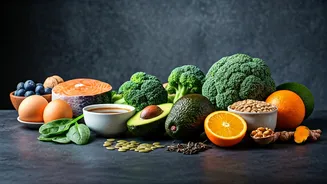
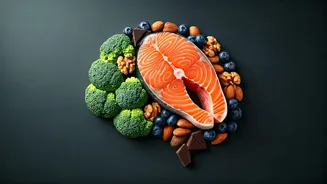
When neuroscientists talk about brain food, they almost always start here. Fatty fish like salmon, mackerel, herring, and sardines are packed with omega-3 fatty acids, particularly DHA. Why does that matter? Your brain is about 60% fat, and half of that fat is the omega-3 type.
Your brain uses omega-3s to build new brain and nerve cells, which are essential for learning and memory. Studies suggest that a diet rich in these healthy fats may help slow age-related mental decline and support overall cognitive function. If you're not a fan of fish, you can also find omega-3s in flaxseeds and walnuts, or you could talk to your doctor about a high-quality supplement.
Blueberries for Antioxidant Power
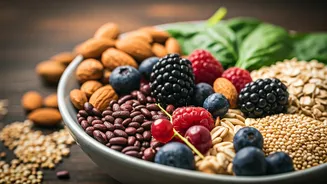
These small, delicious fruits pack a major nutritional punch. Blueberries are loaded with anthocyanins, a type of flavonoid that gives them their deep blue-purple color. These compounds act as powerful antioxidants and have anti-inflammatory effects. In the brain, this means they can help protect against oxidative stress, a process that contributes to brain aging and neurodegenerative diseases. Research indicates that the antioxidants in blueberries tend to accumulate in the brain and can help improve communication between brain cells. Adding a cup of blueberries to your morning oatmeal or yogurt is an easy and tasty way to give your brain a daily boost.
Leafy Greens for Cognitive Support
Your parents were right: eat your greens. Vegetables like kale, spinach, collards, and broccoli are rich in brain-healthy nutrients like vitamin K, lutein, folate, and beta carotene. Vitamin K, for instance, is involved in forming sphingolipids, a type of fat that's densely packed into brain cells. Some studies have linked higher vitamin K intake to better memory. Lutein, another key compound found in greens, is an antioxidant that has been associated with preserving cognitive function over a lifetime. Whether you add them to a morning smoothie, a lunchtime salad, or a side dish at dinner, making leafy greens a staple is one of the best habits for long-term brain health.
Nuts and Seeds for Protection
A handful of nuts and seeds makes for a perfect brain-boosting snack. They are excellent sources of vitamin E, an antioxidant that helps protect cell membranes from free radical damage, a key factor in slowing mental decline. Walnuts are a particularly strong choice because they also contain a high concentration of those all-important omega-3 fatty acids. A 2015 study from UCLA linked higher walnut consumption to improved scores on cognitive tests. Almonds and sunflower seeds are also fantastic sources of vitamin E. Just a small handful a day is enough to reap the benefits without overdoing it on calories.
Turmeric for Inflammation Control
This golden spice, a key ingredient in curry powder, has been generating buzz for good reason. Turmeric contains an active compound called curcumin, which has been shown to cross the blood-brain barrier, meaning it can directly enter the brain and benefit the cells there. Curcumin is a potent anti-inflammatory agent and antioxidant. It's thought to help clear the amyloid plaques that are a hallmark of Alzheimer's disease, although more research is needed. It may also boost serotonin and dopamine, which both improve mood. To maximize its effects, always consume turmeric with a pinch of black pepper, which contains piperine, a substance that enhances curcumin absorption by up to 2,000%.
Dark Chocolate for Focus
Here's a treat you can feel good about. Dark chocolate and cocoa powder are packed with flavonoids, caffeine, and antioxidants. The flavonoids in chocolate gather in the areas of the brain that deal with learning and memory. Researchers believe these compounds may enhance memory and also help slow down age-related mental decline. The small amount of caffeine and theobromine provides a gentle boost in alertness and focus. For the biggest benefit, opt for dark chocolate with 70% or higher cocoa content. This ensures you get more of the beneficial flavonoids and less of the added sugar.