



It's a Plant-Forward World Now
First, let's get one thing straight: this isn't just about a rise in vegetarianism or veganism, though those numbers are growing. The bigger, broader movement is what experts call "plant-forward" or "flexitarian" eating. The idea isn't necessarily to
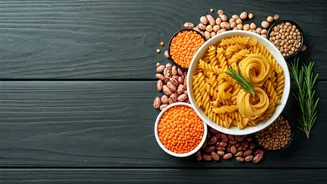
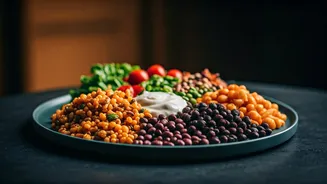
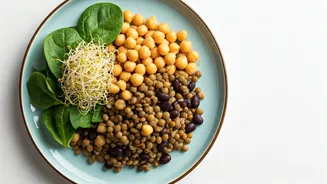
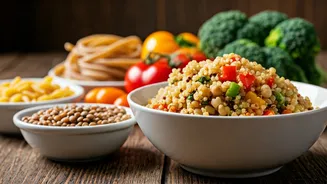
eliminate meat entirely but to demote it from its starring role at the center of the plate. Instead of a huge steak with a side of greens, think of a large, vibrant bowl where farro, chickpeas, and roasted broccoli are the main event, perhaps accented with a small amount of grilled chicken or feta cheese. This approach feels more inclusive and less restrictive than traditional dietary labels, appealing to a massive segment of Americans who want to eat healthier and more sustainably without committing to a full-time, no-meat lifestyle. It's a subtle but powerful shift in perspective, recasting vegetables, grains, and legumes as the delicious foundation of a meal, not the afterthought.
The Budget and Climate Connection
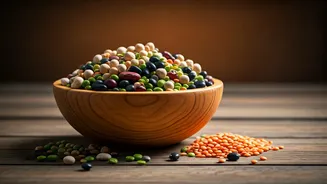
Two of the biggest anxieties for modern Americans are their wallets and the planet. Grains, beans, and veggies offer a soothing balm for both. As grocery bills have climbed, the economic case for these ingredients has become undeniable. A bag of lentils or a can of black beans provides a significant amount of protein and fiber for a fraction of the cost of beef, poultry, or fish. For families and individuals feeling the pinch of inflation, swapping a few meat-centric meals a week for bean-based chili or a hearty vegetable curry is a practical and effective way to save money without sacrificing flavor or nutrition. Simultaneously, awareness about the environmental impact of industrial meat production is at an all-time high. A diet lower in meat consumption has a significantly smaller carbon and water footprint. For many, especially younger generations, choosing a bean burger over a beef burger is a simple, daily act of environmental stewardship.
The Gut Health Glow-Up
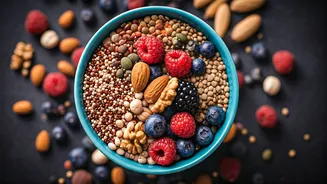
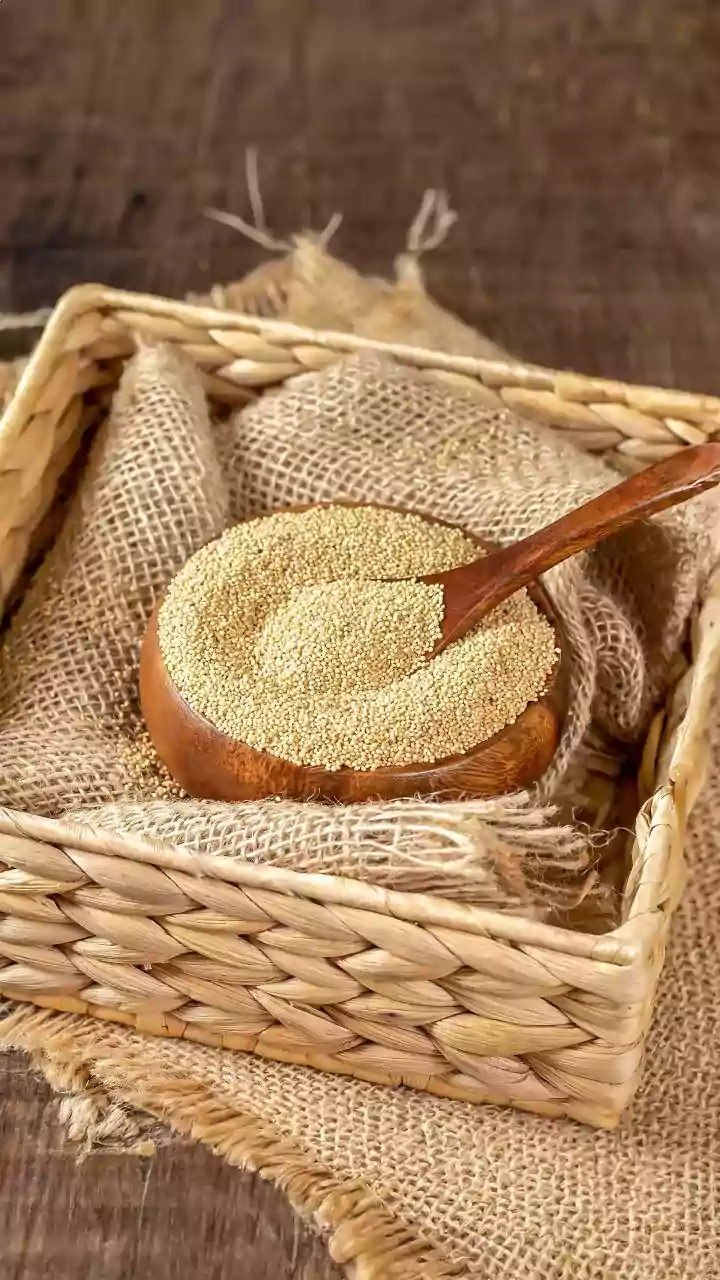
Just a few years ago, terms like “microbiome” and “gut health” were confined to medical journals. Today, they're mainstream wellness topics, and for good reason. A growing body of research highlights the critical link between the health of our gut bacteria and our overall well-being, from digestion and immunity to mood and mental clarity. And what do those beneficial gut microbes love to eat? Fiber. Grains (especially whole ones like oats, quinoa, and barley), beans of all kinds, and a wide array of vegetables are packed with the prebiotic fiber that nourishes a healthy and diverse microbiome. This scientific validation has given these old-school ingredients a new-school halo. People aren't just eating oatmeal for breakfast because it's cheap; they're eating it to cultivate a healthy inner ecosystem. This shift from calorie-counting to nutrient-density and gut nourishment has put these fiber-rich foods in the spotlight.
A Culinary Rebrand
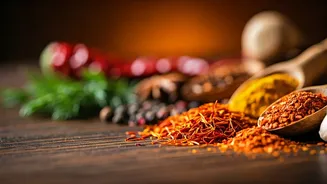
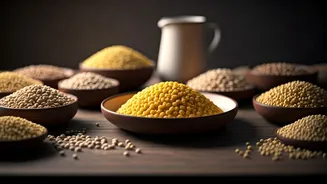
Perhaps the most important driver of this trend is that grains, beans, and veggies have simply gotten more delicious—or rather, we’ve rediscovered how delicious they can be. For decades, they were victims of bad PR and worse cooking, boiled into bland, mushy submission. But thanks to the influence of global cuisines and creative chefs, that's changed. The American palate has been expanded by the vibrant flavors of the Mediterranean, Middle East, and Latin America, where legumes and vegetables have always been stars. Chefs and home cooks are no longer just steaming broccoli; they're charring it with chili crisp, roasting it with za'atar, and blitzing it into silky-smooth dips. Ancient grains like amaranth and sorghum are appearing on menus, offering new textures and nutty flavors. We've collectively learned that with the right technique—a good roast, a flavorful dressing, a sprinkle of fresh herbs—these humble ingredients can be crave-worthy and complex.