


An Ancient Practice, Rediscovered
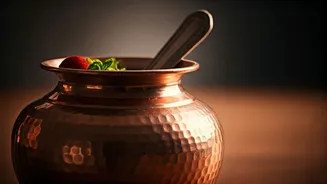
The practice of storing water in copper vessels, or *Tamra Jal*, has been a cornerstone of India’s traditional Ayurvedic medicine for centuries. Ayurveda, a holistic healing system, posits that water stored this way becomes naturally purified and charged
with health-promoting properties. It was believed to balance the three *doshas*—Vata, Pitta, and Kapha—the energies that govern our physical and mental processes. Before modern water purifiers, copper's ability to keep water fresh and clean was a practical, observable benefit. For generations, it was common for households in India to begin their day with a glass of water left overnight in a copper pot, seen as a simple ritual for vitality and well-being.
The Modern Wellness Glow-Up
So why is a centuries-old practice suddenly filling up American shopping carts? The answer lies at the intersection of social media aesthetics and the ever-growing wellness movement. The burnished, rustic look of a copper bottle is undeniably photogenic, making it a perfect accessory for the curated world of Instagram and TikTok. Celebrities and wellness influencers have championed copper bottles as part of their self-care routines, framing them as a chic, sustainable alternative to plastic. This trend also taps into a broader cultural desire for "ancient wisdom" and natural remedies as a counterbalance to modern medicine and a high-tech world. For many, it feels like a tangible connection to a more grounded, holistic approach to health.
The Science Behind the Shine
Beyond tradition and trends, there is some science to back up copper’s reputation as a purifier. Copper has well-documented antimicrobial properties, a phenomenon known as the "oligodynamic effect." When water is stored in a copper vessel, the metal leaches a small number of ions into the water. These ions can effectively kill a range of harmful microorganisms, including bacteria like *E. coli* and *Salmonella*, as well as some viruses. Studies published in journals like the *Journal of Health, Population and Nutrition* have confirmed that storing contaminated water in copper pots for several hours can significantly reduce the presence of disease-causing bacteria. This is likely the scientific basis for the historical practice of using copper to keep water safe to drink.
Health Claims vs. The Reality
The modern wellness narrative often goes far beyond simple purification. Proponents claim copper-infused water can aid digestion, boost the immune system, improve skin health, and even fight cancer. This is where tradition and science diverge. While copper is an essential trace mineral vital for functions like forming red blood cells and maintaining nerve cells, the idea that drinking copper-infused water provides these benefits in a meaningful way is largely unproven. Most people get sufficient copper from their diet through foods like nuts, seeds, shellfish, and whole grains. There are currently no large-scale clinical trials in humans that confirm these broad wellness claims. While the antimicrobial effect is real, the other touted benefits remain in the realm of anecdotal evidence and Ayurvedic belief.
A Question of Safety and Balance
While copper is essential, too much of it can be toxic. Copper toxicity can lead to nausea, vomiting, and in severe cases, liver and kidney damage. So, is drinking from a copper bottle safe? For most healthy adults, yes, provided it’s done correctly. Experts recommend using vessels made of pure copper, not a coated alloy. It’s also advised not to store water in the vessel for more than 12-16 hours and to avoid storing acidic liquids like lemon water or juice, which can cause an excessive amount of copper to leach into the drink. The World Health Organization sets a safe limit for copper in drinking water, and typical use of a copper bottle is unlikely to exceed this. Regular cleaning to prevent oxidation is also key. The goal is a trace amount, not a heavy dose.