




The Vibe: Solitude vs. Social Energy
A classic hill trip, especially during peak season, is a fundamentally social affair. Think of popular U.S. destinations like Aspen in winter or the Hamptons in summer—the international equivalent, like India's Shimla or Mussoorie, buzzes with energy.
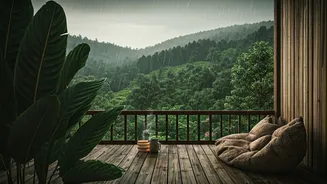
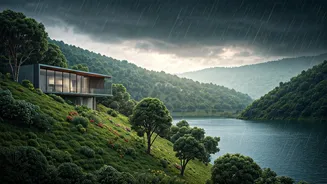
Main streets are packed with vacationers, cafes overflow with chatter, and the atmosphere is one of shared celebration. It’s a place to see and be seen, perfect for travelers who feed off the energy of a crowd and enjoy a lively, bustling environment. Monsoon travel, by contrast, is an ode to solitude. This is the off-season for a reason: the rains encourage a slower, more introspective pace. Destinations like Kerala’s backwaters or the coastal state of Goa transform into quiet, meditative retreats. The crowd thins dramatically, leaving behind a sense of peace. The soundtrack is not the din of tourists but the rhythmic drumming of rain on a tiled roof. It’s an experience for those looking to disconnect, read a book by a misty window, and find beauty in tranquility rather than activity.
The Landscape: Lush Greens vs. Crisp Panoramas
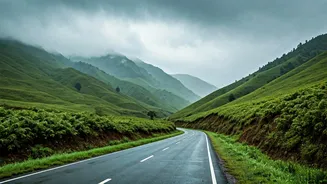
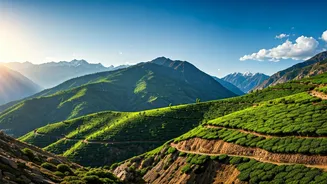
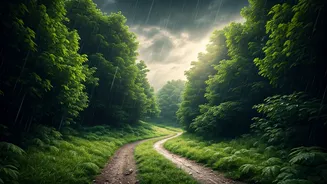
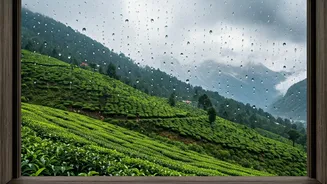
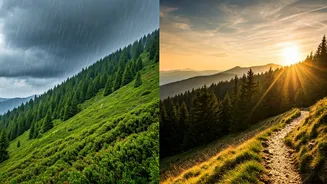
The primary reward of a traditional hill trip is the view. Travelers climb to these high altitudes for the promise of clear, dry days offering sweeping, panoramic vistas of snow-capped peaks and verdant valleys below. The air is crisp, the light is sharp, and the landscape is a photographer’s dream, rendered in high definition. It’s about seeing for miles and feeling on top of the world. Monsoon magic offers a different kind of visual feast. The rain doesn’t obscure beauty; it transforms it. Dry, dusty landscapes explode into impossible shades of green. Waterfalls, once mere trickles, roar back to life, carving new paths down mountainsides. The air is thick with the smell of wet earth, and low-hanging clouds drift through the hills, wrapping everything in a soft, ethereal mist. Instead of infinite vistas, you get a series of beautifully framed, atmospheric scenes. It’s less of a grand painting and more of an intimate, impressionistic watercolor.
The Itinerary: Cozy Retreats vs. Active Exploration
Activity lists for these two trips could hardly be more different. A classic hill itinerary is packed with outdoor pursuits: long treks, paragliding, boating on mountain lakes, and exploring local markets without the threat of a downpour. The goal is to be out and about, soaking in the sun and maximizing every moment of daylight. It’s an adventurer’s schedule, built for those who want to do, see, and conquer. During the monsoon, the very idea of a packed itinerary melts away. The rain itself becomes the main event, dictating the day's rhythm. Activities become more localized and relaxed. It’s the perfect time for long, leisurely meals, indulging in spa treatments (especially Ayurvedic therapies, which are considered more effective in the humid weather), or simply sitting on a covered veranda with a hot drink. Short walks during breaks in the rain are a highlight, offering a chance to see the refreshed landscape up close. It’s a vacation from the need to *do* anything at all.
The Logistics: Deals vs. Dependability
From a practical standpoint, the trade-offs are stark. Classic hill trips during peak season come with peak-season prices and crowds. Flights and hotels need to be booked far in advance, and you’ll pay a premium for the predictable, pleasant weather. The benefit is reliability: roads are clear, shops are open, and all tourist infrastructure is running at full capacity. Monsoon travel is the definition of an off-season bargain. With fewer tourists, airlines and hotels offer significant discounts, making a luxury experience suddenly more accessible. However, this comes with a dose of unpredictability. Heavy rains can sometimes lead to landslides and road closures, flights can be delayed, and some smaller shops or restaurants may close for the season. The savvy monsoon traveler is flexible and has a backup plan, understanding that the journey’s charm includes a small element of improvisation.