
Moving Beyond the Buffet
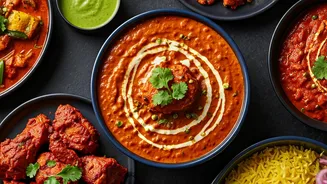
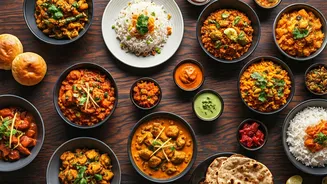
For decades, Indian food in America was largely defined by a familiar, simplified script. Creamy chicken tikka masala, floppy naan, and a lunch buffet featuring a rotating cast of greatest hits. While delicious, this menu was often a survival tactic—a
standardized, toned-down offering designed to appeal to a Western palate that restaurateurs assumed wasn't ready for the subcontinent's dazzling complexity. It was Indian food as an accessible monolith, sanded down and presented with a gentle, apologetic bow. This approach created a generation of diners who loved "Indian food" but knew very little about the actual food of India, a land with dozens of distinct culinary traditions, each as different from the next as Italian is from French.
The Unapologetic Approach
Enter the new guard. Chefs like Chintan Pandya of New York’s celebrated restaurants Dhamaka and Semma are leading a revolution by pointedly refusing to compromise. Dhamaka’s tagline, “unapologetic Indian,” says it all. The menu focuses on the provincial, lesser-known dishes from across India that you’d be more likely to find in a home or on a countryside street than in a typical restaurant. There’s no playing it safe. Dishes arrive with their heat, funk, and texture fully intact. Semma, which earned a Michelin star, goes even deeper, focusing exclusively on the food of Pandya’s business partner Roni Mazumdar’s family in the southern state of Tamil Nadu. Think rustic venison curry and snail stir-fry—dishes brimming with specific history and geography. This isn't fusion; it's a powerful act of culinary reclamation.
Storytelling on a Plate
This movement is about more than just obscure recipes; it’s about storytelling. Each dish is a chapter in a personal or regional history. In Nashville, Maneet Chauhan, a familiar face from Food Network's "Chopped," has built an empire that showcases her journey as a chef trained in India and molded by the American South. In Chicago, chefs like Zubair Mohajir at Wazwan are exploring the Hyderabadi cuisine of their heritage with modern tasting menus. Overseas, Gaggan Anand in Bangkok became a global icon by deconstructing Indian street food into an avant-garde experience, while Garima Arora, the first Indian woman to win a Michelin star, highlights the connections between India's diverse communities at her restaurant Gaa. They are all, in their own ways, using food as a memoir and an educational tool, inviting diners to connect with a place and a person, not just a generic flavor profile.
A Recipe for a Movement
So, why is this happening now? A few key ingredients have come together. First, a new generation of chefs from the Indian diaspora feels both the confidence and the responsibility to present their culture without filters. They grew up navigating two worlds and are uniquely positioned to be cultural translators. Second, diners have changed. Fueled by travel shows, social media, and a post-foodie desire for authenticity, the American palate is more adventurous than ever. An Instagram post of a fiery goat curry from a tiny village is now a badge of honor, not a risk. Finally, these chefs have mastered the art of the narrative, using interviews, social media, and the plate itself to explain *why* a dish matters. They aren’t just serving food; they’re curating a cultural experience, turning a meal into a memorable, global moment.