






The Endless Cycle of Empty Promises
For decades, the haircare industry has operated on a simple premise: your hair is damaged, and you need to fix it. We buy serums to mend split ends, conditioners to smooth frizz, and sprays to create artificial shine. The problem? Most of the hair you see
is already dead. The hair shaft, the visible part of the strand, has no living cells. While products can temporarily coat or patch it to improve its appearance, they can’t fundamentally change its health. This creates a frustrating cycle. We damage our hair with heat and processing, buy expensive products to mask the damage, and then wonder why our hair never seems to truly get “healthier.” We’re focused on the symptom—dry, lifeless strands—instead of the source. It’s like constantly painting over a crack in a wall without ever checking the foundation. The real fix lies somewhere else entirely.
The 'Aha!' Moment: Your Scalp Is Skin
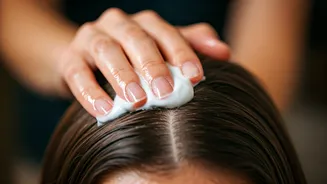
Here is the fix that actually makes sense: start treating your scalp with the same care and attention you give your face. This concept, often called the “skinification” of hair, is revolutionizing how we approach haircare. Your scalp is, quite literally, skin. It has pores, it produces oil (sebum), it sweats, it sheds dead cells, and it has a delicate microbiome of bacteria that needs to be balanced.
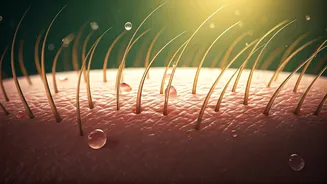
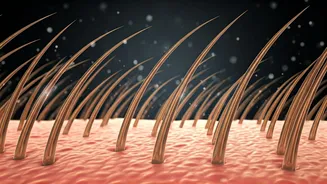
Every single strand of hair on your head grows from a follicle embedded in this living, breathing ecosystem. A healthy follicle in a balanced scalp environment is what produces a strong, healthy hair strand. When the scalp is clogged with product buildup, dead skin, and excess oil, it can lead to inflammation, irritation, and weaker, thinner hair growth. By shifting your focus from the dead ends of your hair to the living roots on your scalp, you move from temporary fixes to long-term health.
Your New Scalp-First Routine
Adopting a scalp-first routine doesn't mean throwing everything out. It just means reorganizing your steps around a familiar skincare model: Cleanse, Exfoliate, and Treat.
**1. Cleanse Properly:** This is more than just a quick lather and rinse. Really work your shampoo into your scalp with your fingertips (not nails!) to break down oils and buildup. For those who use a lot of dry shampoo or styling products, consider a clarifying shampoo once a week or a “double cleanse”—washing once to remove surface grime and a second time to truly clean the scalp.
**2. Exfoliate Weekly:** Just like your face, your scalp benefits from exfoliation. This process removes the dead skin cells and product residue that can clog hair follicles. You have two main options. A physical exfoliant, like a scalp scrub with sugar or salt, manually buffs away debris. A chemical exfoliant, often found in serums or pre-shampoo treatments, uses ingredients like salicylic acid or glycolic acid to dissolve the bonds holding dead cells together, offering a gentler but deeper clean.
**3. Treat and Moisturize:** This is where you target specific concerns. After cleansing, apply a scalp serum directly to the skin. If your scalp is dry and tight, look for serums with hydrating ingredients like hyaluronic acid. If it's oily or prone to flakes, ingredients like tea tree oil, witch hazel, or niacinamide can help regulate sebum and soothe inflammation. Peptides and antioxidants can also support a healthy environment for hair growth.
Read the Label, Not Just the Hype
As you transition to a scalp-first mentality, your shopping habits will change. Instead of being swayed by promises of “silky smooth” or “instant repair,” you’ll start looking at the ingredients list. Look for the same powerhouse ingredients you’d seek out for your face: salicylic acid for clarifying, hyaluronic acid for hydration, and peptides for support. You’ll find these in a growing number of scalp scrubs, serums, and targeted treatments.
This doesn't mean you have to spend a fortune. The principle is more important than the price tag. A simple, well-formulated clarifying shampoo and a basic scalp serum can do more for your long-term hair health than a dozen expensive conditioning masks. It’s about being an informed consumer and investing in the foundation of your hair’s health.