




From Itineraries to Intuition
For decades, planning a vacation followed a predictable script: pick a destination, book flights and hotels months in advance, and create a checklist of sights to see. But in India, one of the world's fastest-growing travel markets, that logic is being
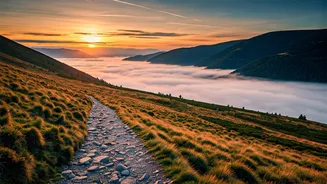
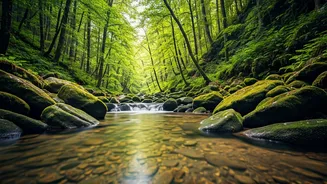
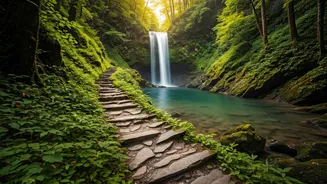
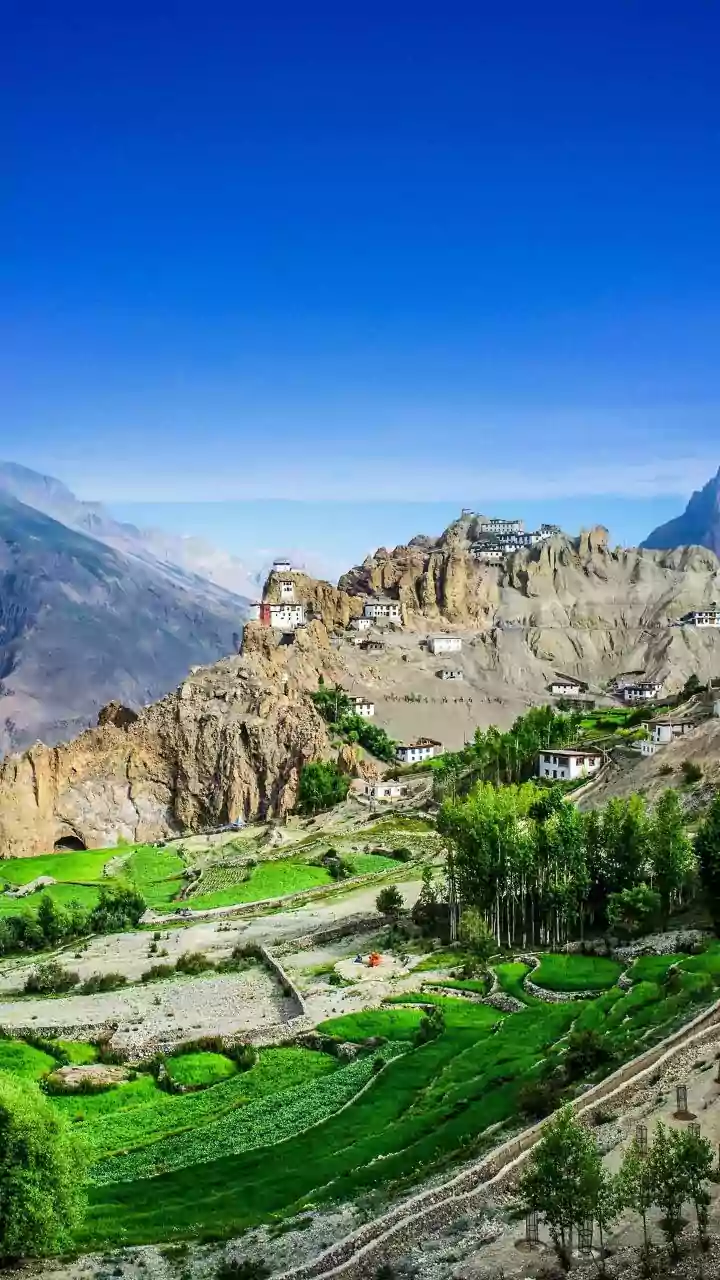
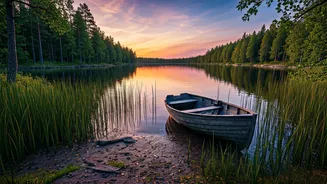
turned on its head. A significant number of travelers, particularly younger millennials and Gen Z, are prioritizing a 'vibe' over a specific location. Instead of starting with 'Let’s go to Goa,' the process begins with a feeling: 'I need to unwind by the sea,' or 'I crave the quiet of the mountains,' or 'I want the energy of a chaotic city.' This emotional starting point then dictates the destination, often leading to spontaneous, last-minute bookings. According to reports from major Indian travel platforms like MakeMyTrip, there's been a noticeable surge in searches for experiences—like 'secluded retreats,' 'adventure getaways,' or 'spiritual journeys'—rather than just city or state names. The goal is no longer to just see a place, but to inhabit a feeling.
The Post-Pandemic Push
This shift didn't happen in a vacuum. The global pandemic acted as a powerful catalyst, fundamentally altering people's relationship with work, wellness, and time. After periods of intense stress, isolation, and burnout, the concept of a vacation transformed from a luxury to a necessity for mental and emotional restoration. 'Revenge travel' was the initial, frantic phase of this change, but it has since matured into something more intentional. For many Indian professionals, especially those in high-pressure tech and corporate jobs, the lines between work and home blurred completely. As a result, vacations are now seen as crucial opportunities to disconnect and recharge. This makes the 'mood' of the trip paramount. A traveler suffering from screen fatigue isn't just looking for a hotel with Wi-Fi; they're actively seeking a cabin in the Himalayas or a wellness retreat in Kerala where the primary amenities are silence and nature.
Gen Z and the 'Main Character' Trip
Driving this trend are India’s digitally native young people, who approach travel with a different set of values. For Gen Z, travel is an extension of their identity, heavily influenced and documented on social media platforms like Instagram and TikTok. But it's not just about snapping a photo at the Taj Mahal anymore. The new currency is aesthetic and experiential. They seek out trips that allow them to live out a certain narrative or embody a specific persona—to have a 'main character moment.' This might mean booking a stay at a rustic farmhouse to experience a 'cottagecore' fantasy, or taking a road trip through Rajasthan's deserts for a sense of rugged adventure. Travel companies have been quick to adapt, marketing destinations based on the photogenic and emotional experiences they offer. The destination becomes a backdrop for the feeling, and the trip itself is a story to be told online, making the 'vibe' the most important, shareable element.
A Trend with American Echoes
While the term 'mood-based travel' is gaining specific traction in India, the underlying sentiment is universal and certainly resonates in the United States. American travelers are also increasingly seeking purpose and feeling in their journeys. We see it in the explosion of wellness tourism, with people flocking to yoga retreats in Arizona or silent meditation centers in California. We see it in the rise of 'slow travel,' where the goal is to immerse oneself in a single community rather than rush through a continent. The American corporate wellness conversation, dominated by terms like 'quiet quitting' and 'burnout,' reflects the same underlying exhaustion that is driving Indians to seek mood-centric escapes. While an American traveler might not use the same terminology, the impulse is identical: they’re booking trips to combat stress, find inspiration, or reconnect with themselves. The Indian trend simply gives a name to a global shift in how we define a 'good' vacation.