


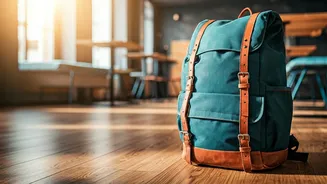


The Rise of the Personal-Item-Only Trip
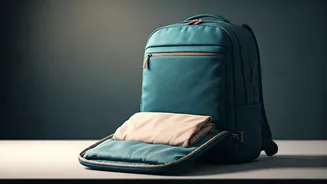
Scroll through TikTok or Instagram Reels, and you’ll find them: videos of savvy travelers meticulously folding, rolling, and squeezing an entire vacation's worth of clothing and toiletries into a single, unassuming backpack or tote bag. This is the heart
of the ultra-light packing challenge, a trend born from a potent mix of rising airline fees and a desire for simpler, less stressful travel. The goal is simple but audacious: pack everything you need into the one "personal item" that airlines like Spirit, Frontier, and Ryanair allow for free. What used to be a frustrating travel constraint has been reframed by a generation of flyers as a clever game—a puzzle to be solved and a victory to be celebrated online.
A Game of Tetris and Thrifty Genius
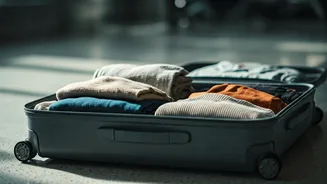
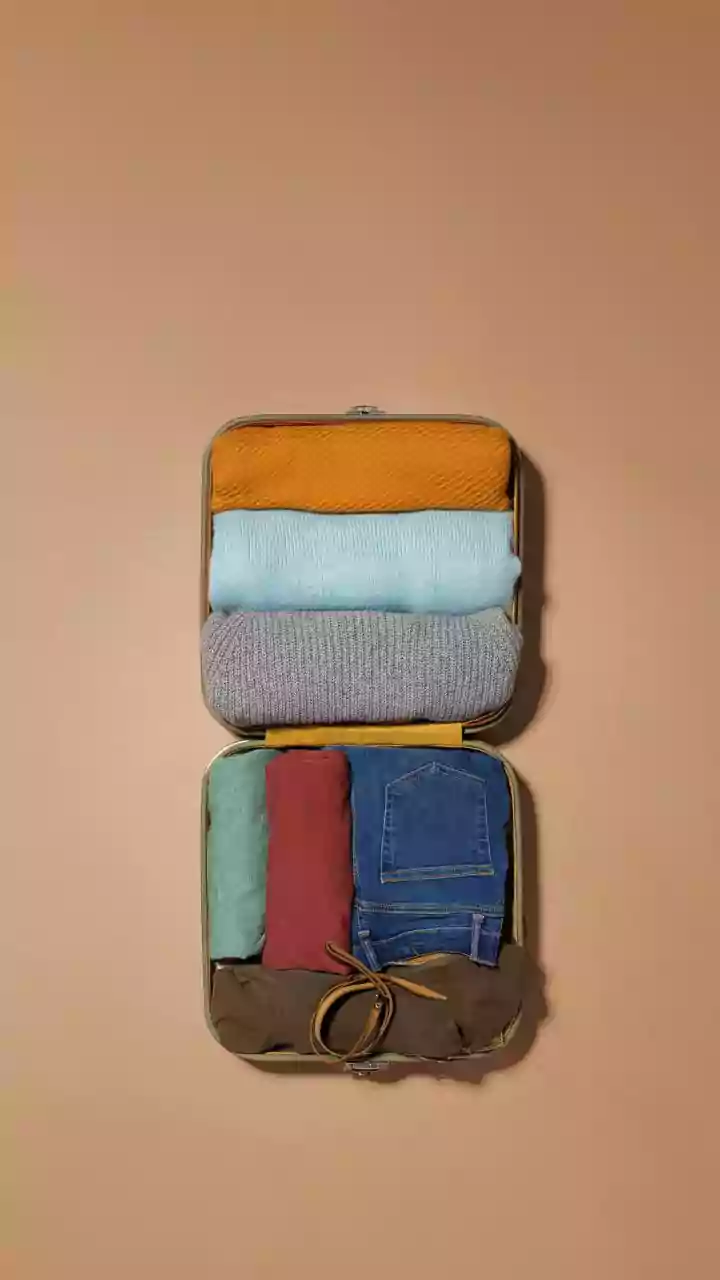
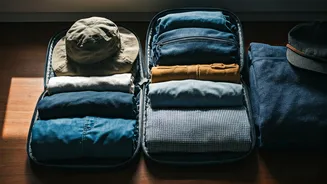
The challenges are part performance art, part practical guide. Creators lay out a seemingly impossible pile of clothes—a week's worth of outfits, shoes, a swimsuit, and a jacket—next to a comically small bag. Then, through a mesmerizing sequence of clever folding techniques and strategic placement, it all disappears inside. The stars of the show are the tools of the trade: compression packing cubes that vacuum-pack clothing into dense, small bricks; solid toiletries (shampoo bars, toothpaste tablets) that bypass liquid restrictions; and multi-purpose garments that can be worn in several different ways. It's a masterclass in spatial reasoning, with every square inch of the bag utilized to its full potential.
Why It's More Than Just Saving Money
While dodging a $60 carry-on fee is a powerful motivator, the trend’s viral appeal runs deeper. It taps into a growing cultural current of anti-consumerism and minimalism. For many, successfully packing this light isn't just about saving cash; it's a declaration of independence from the clutter of modern life. There’s a psychological freedom that comes with knowing everything you own is in a single, lightweight bag on your back. You can navigate crowded trains, walk up flights of stairs to your European rental, and make spontaneous detours without being weighed down. The challenge champions experience over possessions, suggesting that the less you bring, the more you can actually do and see.
The Art of the Minimalist Wardrobe
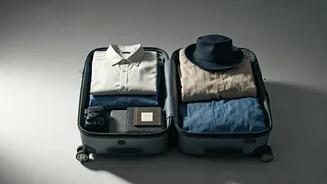
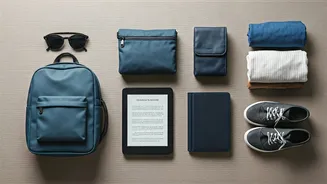
So, how do they actually do it? The secret lies in a carefully curated capsule wardrobe. Instead of packing for every possible contingency, ultra-light packers choose a few versatile, high-quality pieces in a similar color palette that can all be mixed and matched. A typical packing list might include two pairs of pants, four tops, one dress or sweater, and one pair of versatile shoes. The key is choosing items that can be dressed up or down. A simple black t-shirt dress, for example, can be a beach cover-up by day and, with the addition of a scarf, a dinner outfit by night. It’s less about having a different outfit for every day and more about having the right components to create different looks.
Is Ultra-Light for Everyone?
Before you toss your suitcase, it's worth noting that this approach isn't a one-size-fits-all solution. The personal-item-only strategy is ideal for a three-to-five-day trip to a warm destination. It’s far more challenging for a week-long ski trip requiring bulky gear or for family travel with the unpredictable needs of children. Critics also point out that it often requires purchasing specialized gear like packing cubes or specific travel-sized items, which can feel counterintuitive to the spirit of minimalism. For many, it's not a permanent lifestyle change but a fun, specific challenge for the right kind of trip—a weekend city break or a quick getaway to the beach.