
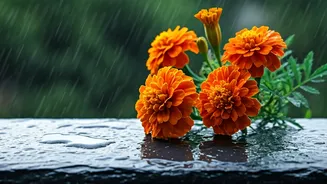


An Explosion of Color and Variety
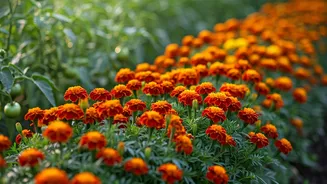
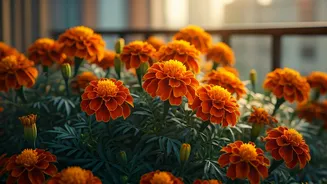
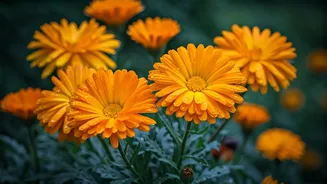
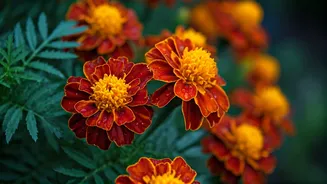
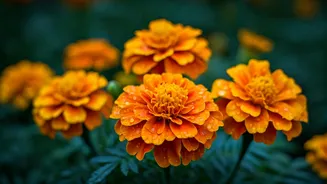
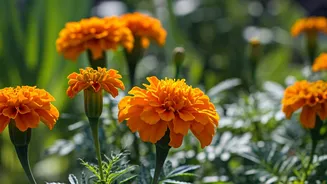
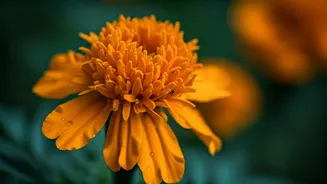
First, let's appreciate the obvious: marigolds are stunning. But their beauty isn't one-note. They offer a surprisingly diverse palette and form, fitting into almost any garden design. The two most common types are French marigolds (Tagetes patula) and African
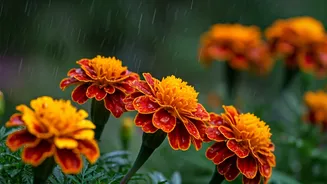
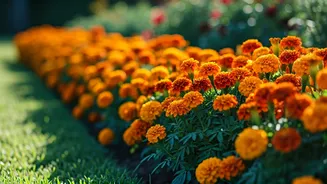
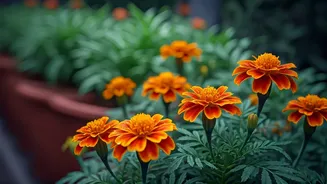
marigolds (Tagetes erecta). French varieties are typically shorter, bushier plants with bicolored flowers in shades of orange, yellow, and mahogany red. They're perfect for edging garden beds, lining walkways, or filling containers. African marigolds, despite their name, are native to the Americas and stand tall—some reaching up to three feet—with huge, globe-like blooms in solid shades of yellow, orange, and creamy white. They create a dramatic backdrop in a flower bed. Then there are Signet marigolds (Tagetes tenuifolia), which have lacy foliage and small, single-petaled edible flowers with a citrusy flavor, making them a great addition to a kitchen garden.
The Low-Effort, High-Reward Flower
Beyond their looks, marigolds are a study in practicality. They are the workhorses of the annual garden, thriving on a bit of neglect. They are famously easy to grow from seed, making them an inexpensive way to fill a large area and a perfect project for gardening with children. Once established, they are drought-tolerant and will bloom profusely from late spring until the first hard frost, providing continuous color when other flowers have faded. Their needs are simple: full sun and reasonably well-drained soil. They don't require heavy feeding; in fact, overly rich soil can lead to more leaves and fewer flowers. This combination of toughness, longevity, and minimal care requirements makes them an ideal choice for both novice gardeners and seasoned experts looking for reliable performance.
The Truth About 'Pest-Smart'
This is where the marigold legend gets complicated. The claim that marigolds are “pest-smart” is true, but with important caveats. The primary, scientifically-proven benefit comes from certain varieties of French marigolds (Tagetes patula). Their roots release a biochemical substance that is toxic to root-knot nematodes, microscopic worms that infest soil and damage the roots of many vegetable crops, especially tomatoes, peppers, and okra. However, simply planting a few marigolds next to a tomato plant won't magically solve a nematode problem. To work as a natural soil fumigant, you need to plant a dense cover crop of marigolds, grow them for a full season, and then till them into the soil. The protective effect then lasts for several months, benefiting the crop you plant in that spot the following season.
Managing Expectations: What They Don't Do
The popular belief that marigolds act as a magical force field against all garden pests is, unfortunately, a myth. While their pungent scent may deter some insects for a short time, they do not reliably repel most common above-ground nuisances. Deer and rabbits will happily munch on them if other food is scarce. They offer no protection against tomato hornworms, squash bugs, or Mexican bean beetles. In fact, marigolds can sometimes attract pests you don't want, like spider mites, especially in hot, dry conditions. Believing they will protect your entire vegetable patch is a recipe for disappointment. It's crucial to see them as a specific tool—primarily for soil health against nematodes—rather than a cure-all.
Putting Marigolds to Work in Your Garden
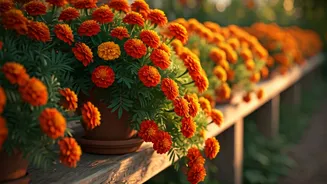
So, how should you use marigolds for the best results? First, plant them for their beauty and resilience. Use them to create vibrant borders, fill gaps in your perennial beds with season-long color, and brighten up pots and window boxes. If you have a known nematode problem in your vegetable garden, commit to the cover crop strategy: dedicate a fallow bed to a dense planting of French marigolds like 'Nemagold' or 'Golden Guardian' for one season. For a simpler approach, intersperse them throughout your vegetable patch. While they may not create a protective shield, they will attract pollinators like bees and hoverflies, which are beneficial for your entire garden's ecosystem. And don't forget to snip a few for a small indoor bouquet; they are a classic, cheerful cut flower.